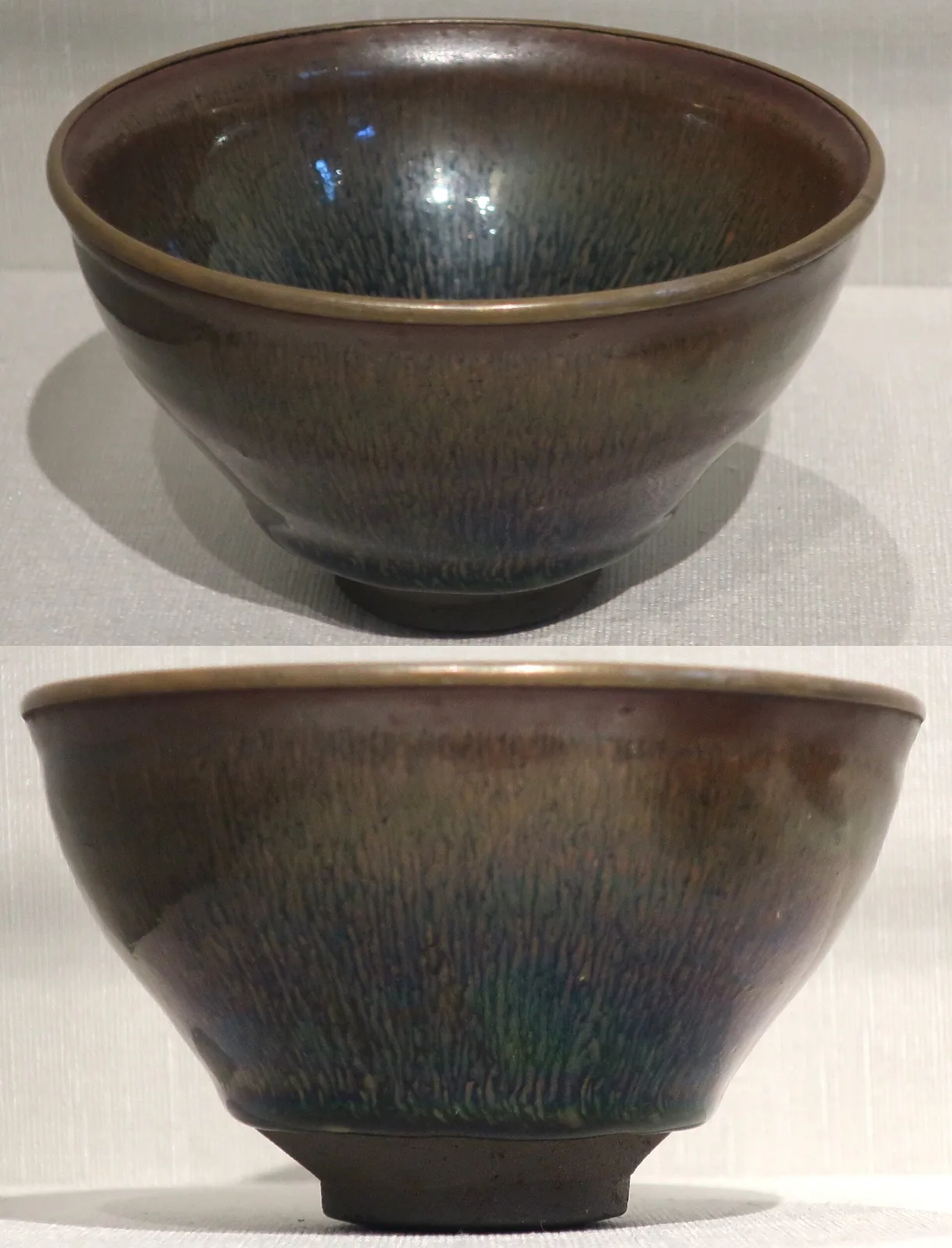
Tea Classics

Vessels · 2025-11-11 · Community rules

Chapter IV · The Vessels · Section 9: A common misreading — reading “酌之以匏酌置于碗内令沫饽均沫饽汤之华也”

3 条回复

#1N
New Reader · 2025-11-11 08:02

Photo: Wikimedia Commons · CC0

Thesis

The common mistake is to lift “酌之以匏酌置于碗内令沫饽均沫饽汤之华也” out of its sentence and turn it into an absolute rule.

Text

“Ladle it with a gourd into the bowls, so that the foam is evenly divided. The foam — the froth — is the flower of the soup.”

Context

酌:舀。匏:葫芦瓢。沫饽(mò bō):茶汤表面的浮沫。华:精华。

Evidence

  • Collation: 各本一致。"沫饽,汤之华也"为千古名句,道尽茶汤浮沫之美。
  • Existing readings: 吴觉农指出唐代茶汤尚"沫饽"(细密的浮沫),视其为茶之精华——这与今人泡茶"以沫为嫌"截然相反,却是宋人点茶"咬盏"之美的先声。

Analysis

The usual misreading extracts “酌之以匏酌置于碗内令沫饽均沫饽汤之华也” as a slogan. 各本一致。"沫饽,汤之华也"为千古名句,道尽茶汤浮沫之美。 In fact every judgment in the chapter carries a limit of place, season and use.

Conclusion

The section does not give a universal rule. It demonstrates a method: read the text, the annotation and the Tang context together before making a modern claim.


Source: The Classic of Tea, Chapter IV · The Vessels, section 9; the original is in the public domain.

When lost, brew a cup first.

Quote
#2M
Marginalia · 2025-11-11 08:49

The vessel is not background. 酌:舀。匏:葫芦瓢。沫饽(mò bō):茶汤表面的浮沫。华:精华。 The same leaf in a different bowl, grinder or sieve changes aroma and texture; vessel and tea are defined together.

Get the character right before the taste.

Quote
#3A
A-Qing · 2025-11-11 09:36

Water and fire magnify the difference. The same leaf at a higher temperature or a longer steep changes the sweet-bitter balance; the text only becomes operational at the brewing stage.

Tea is grown and made, not just discussed.

Quote
#4V
Vessel Zhou · 2025-11-11 10:23

In Tang context, 吴觉农指出唐代茶汤尚"沫饽"(细密的浮沫),视其为茶之精华——这与今人泡茶"以沫为嫌"截然相反,却是宋人点茶"咬盏"之美的先声。. Tea was tribute, medicine and monastery drink at once, not a standalone commodity; the conclusion cannot be transferred without that context.

A vessel carries tea and its period.

Quote
1–4 of 4

Log in to reply