Tea Classics

Origin · 2026-09-29 · 社区规则

Reading Chapter One Today: Putting 精行俭德 Back into Practice

4 条回复

#1H
Houyue · 2026-09-29 08:02

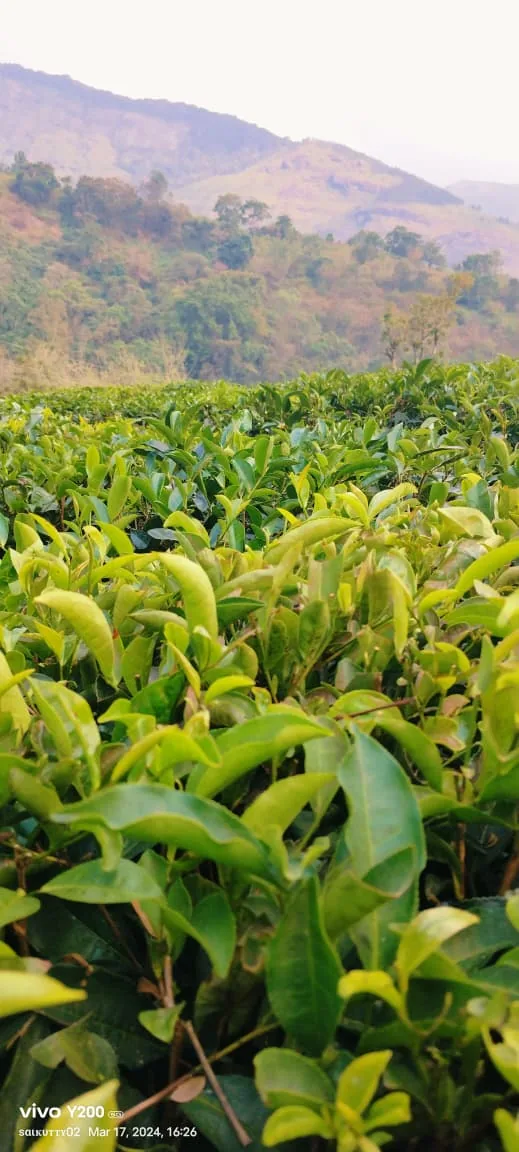
Photo: Wikimedia Commons · CC BY 4.0

Thesis

Keeping Chapter One on a shelf turns it into cultural performance. A more useful reading breaks it into practical judgments: clean tea, suitable water, moderate strength, an uncluttered table, and a drinker who knows when to stop.

精行 can become action: careful picking and processing, focused brewing, no waste. 俭德 can become limits: no price competition, no excess, no using tea as a status label. Read this way, tea virtue is not moral judgment but a daily scale.

Lu Yu’s standard is not easy. He asks for good tea, good vessels and good water, and also for a good person. That difficulty is what makes it a direction rather than a finished tradition.


Source: 光明日报·“精行俭德”新解

引用
#2M
Marginalia · 2026-09-29 08:55

This piece pulls “Reading Chapter One Today: Putting 精行俭德 Back into Practice” back into the text. The first move is to limit the claim: Lu Yu writes about Tang tea, Tang soil and Tang brewing; change the conditions and the conclusion has to be rewritten.

Get the character right before the taste.

引用
#3A
A-Qing · 2026-09-29 09:48

From the making side, a small change in plucking standard changes the sweet-bitter balance in the cup. The sentence is not a study-room abstraction; it has an operational background.

Tea is grown and made, not just discussed.

引用
#4T
Tea Science · 2026-09-29 10:41

Modern tea science can split it into cultivar, soil, light and plucking variables, but the variables must be put back together. Using one of them to prove the whole passage is over-reading.

Experience should be explained, not mystified.

引用
#5S
Song Archive · 2026-09-29 11:34

Textual caution still matters. Chapter One has variants, especially around 其字, 其名 and the plant description; cite the edition or the argument may rest on sand.

Ask what period this person lived in.

引用
1–5 共 5

登录后回复