Photo: Wikimedia Commons · CC BY 4.0

Thesis
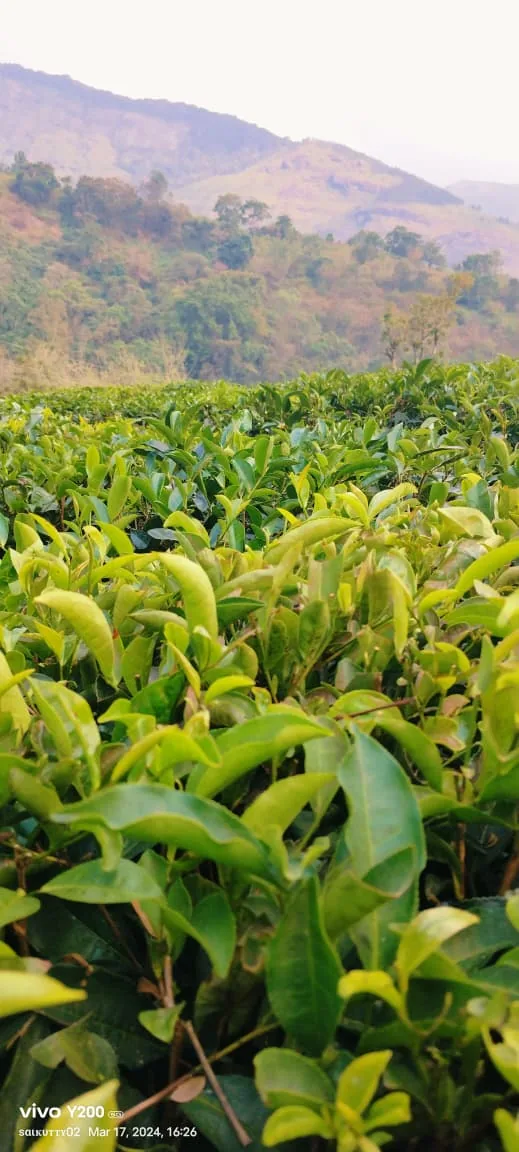
Chapter One compares tea to ginseng: the best comes from Shangdang, then Baekje and Silla, then Goguryeo; material from Zezhou, Yizhou, Youzhou or Tanzhou is therapeutically useless. The point is not ginseng but provenance: where tea grows determines quality, even whether it is worth drinking.
The analogy has two layers. First, same name, different substance: ginseng from the wrong place has no effect, and tea from the wrong place or process becomes a burden. Second, fraud: 荠苨 sold as ginseng is like weeds mixed into tea. Lu Yu puts authentication before taste.
It is an early argument from terroir, with limits. Provenance is not the only variable; cultivar, processing and storage matter. The analogy persuades, but it is not a doctrine of geographical determinism.
Source: 中国茶叶流通协会·自然科学元素