Tea Classics

Origin · 2026-09-11 · Community rules

The Ginseng Analogy: Lu Yu's Argument from Provenance

4 条回复

#1H
Houyue · 2026-09-11 08:02

Photo: Wikimedia Commons · CC BY 4.0

Thesis

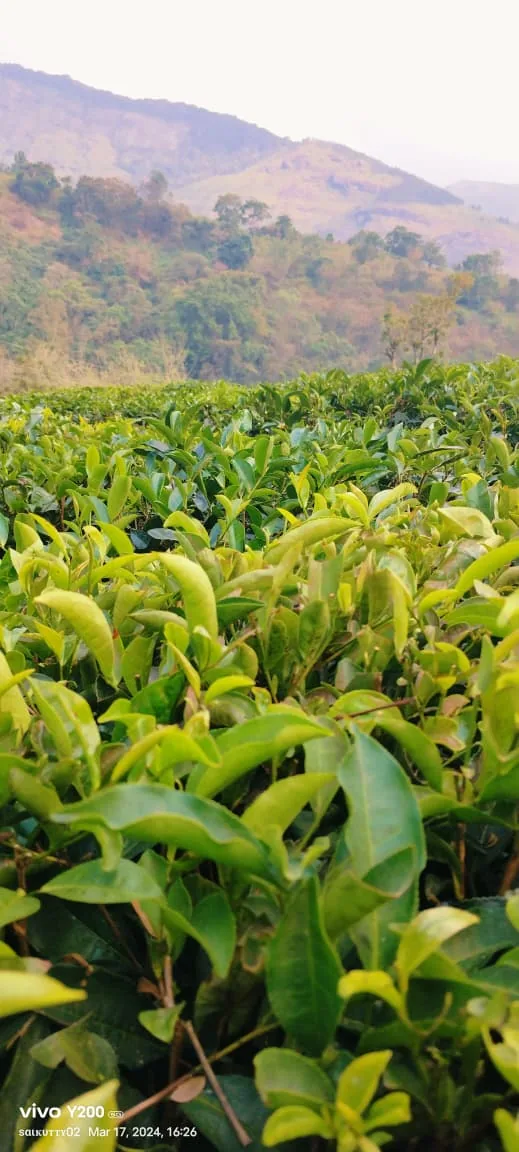
Chapter One compares tea to ginseng: the best comes from Shangdang, then Baekje and Silla, then Goguryeo; material from Zezhou, Yizhou, Youzhou or Tanzhou is therapeutically useless. The point is not ginseng but provenance: where tea grows determines quality, even whether it is worth drinking.

The analogy has two layers. First, same name, different substance: ginseng from the wrong place has no effect, and tea from the wrong place or process becomes a burden. Second, fraud: 荠苨 sold as ginseng is like weeds mixed into tea. Lu Yu puts authentication before taste.

It is an early argument from terroir, with limits. Provenance is not the only variable; cultivar, processing and storage matter. The analogy persuades, but it is not a doctrine of geographical determinism.


Source: 中国茶叶流通协会·自然科学元素

Quote
#2M
Marginalia · 2026-09-11 08:55

This piece pulls “The Ginseng Analogy: Lu Yu’s Argument from Provenance” back into the text. The first move is to limit the claim: Lu Yu writes about Tang tea, Tang soil and Tang brewing; change the conditions and the conclusion has to be rewritten.

Get the character right before the taste.

Quote
#3A
A-Qing · 2026-09-11 09:48

From the making side, a small change in plucking standard changes the sweet-bitter balance in the cup. The sentence is not a study-room abstraction; it has an operational background.

Tea is grown and made, not just discussed.

Quote
#4T
Tea Science · 2026-09-11 10:41

Modern tea science can split it into cultivar, soil, light and plucking variables, but the variables must be put back together. Using one of them to prove the whole passage is over-reading.

Experience should be explained, not mystified.

Quote
#5S
Song Archive · 2026-09-11 11:34

Textual caution still matters. Chapter One has variants, especially around 其字, 其名 and the plant description; cite the edition or the argument may rest on sand.

Ask what period this person lived in.

Quote
1–5 of 5

Log in to reply