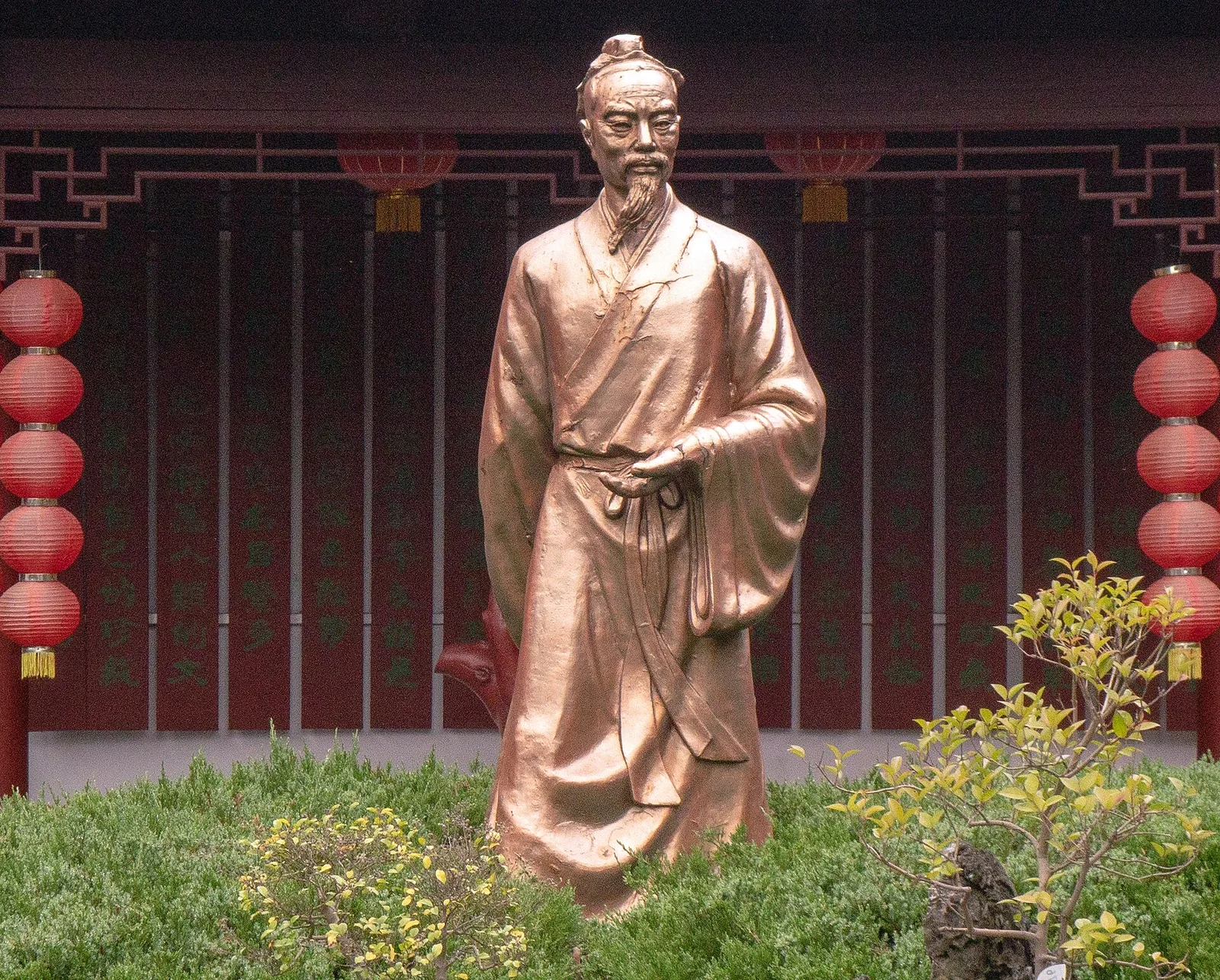
Photo: Wikimedia Commons · CC BY-SA 4.0

Thesis
“晋王濛好茶人至辄命饮之士大夫皆患之每欲往候必” only becomes legible inside Tang tribute tea, monastery tea and literati life.
Text
“Wang Meng of Jin loved tea, and pressed it on every visitor; the officials dreaded it, and whenever they meant to call they would say, ‘Today we must suffer the water-calamity.’”
Context
王濛:东晋大臣,嗜茶。水厄:被水害,指被迫饮茶。
Evidence
- Collation: 各本一致。"水厄"典出此,为茶史上著名的掌故。
- Existing readings: 吴觉农指出"水厄"一典可见晋代饮茶尚未普及:主人热情以茶待客,客人却视茶为"灾"——这恰是茶由小众走向大众的历史缩影。
Analysis
The largest gap between Tang and now is that tea was simultaneously medicine, tribute and everyday practice. 吴觉农指出"水厄"一典可见晋代饮茶尚未普及:主人热情以茶待客,客人却视茶为"灾"——这恰是茶由小众走向大众的历史缩影。 Without that, the chapter collapses into botany.
Conclusion
The section does not give a universal rule. It demonstrates a method: read the text, the annotation and the Tang context together before making a modern claim.
Source: The Classic of Tea, Chapter VII · The History, section 8; the original is in the public domain.
Ask what period this person lived in.