Photo: Wikimedia Commons · CC BY 4.0

Thesis
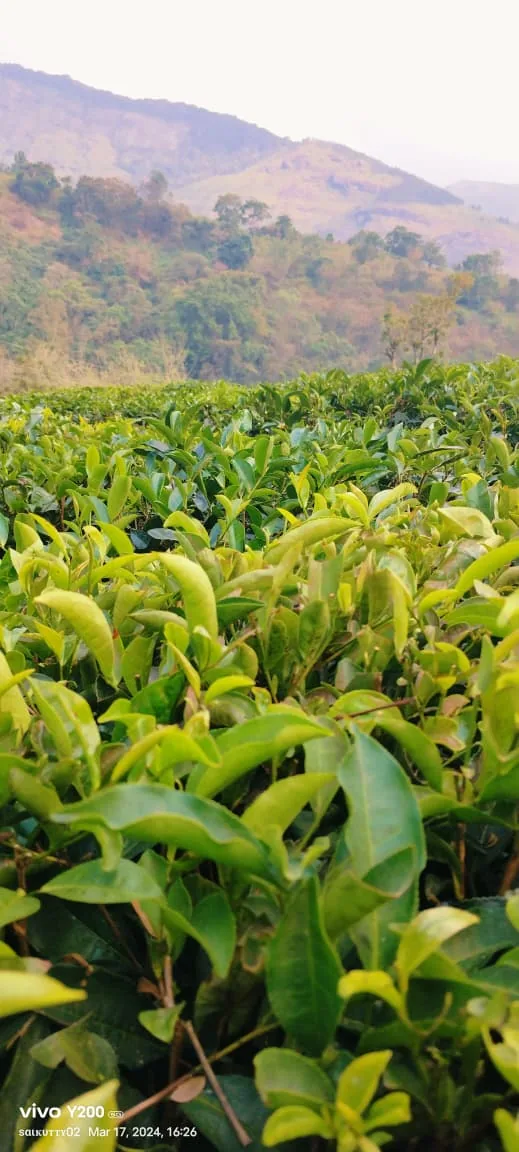
Read through modern tea science, “若热渴凝闷脑疼目涩四支烦百节不舒聊四五啜与醍” is not a lab result but a set of variables: cultivar, soil, light and plucking standard.
Text
“For heat and thirst, congested chest, headache, smarting eyes, restless limbs, or discomfort in all the joints — a few sips of tea rival the finest cream and nectar.”
Context
热渴:口干舌燥。凝闷:胸闷。四支烦:四肢烦热。百节不舒:周身关节不适。醍醐(tí hú):酥酪上凝聚的精华。
Evidence
- Collation: 各本一致。"醍醐"为佛教典籍常见语,指酥中上品,各本无出入。
- Existing readings: 吴觉农指出此句是《茶经》论"茶之药用"的核心:热渴、头痛、目涩等皆属"上火"表征,茶性寒可清解——与现代"茶多酚抗氧化、清热降火"的认识方向一致。
Analysis
Modern tea science would split “若热渴凝闷脑疼目涩四支烦百节不舒聊四五啜与醍” into cultivar, soil, light and plucking variables. 吴觉农指出此句是《茶经》论"茶之药用"的核心:热渴、头痛、目涩等皆属"上火"表征,茶性寒可清解——与现代"茶多酚抗氧化、清热降火"的认识方向一致。 They remain testable, but only with their conditions attached.
Conclusion
The section does not give a universal rule. It demonstrates a method: read the text, the annotation and the Tang context together before making a modern claim.
Source: The Classic of Tea, Chapter I · The Origin, section 9; the original is in the public domain.
Experience should be explained, not mystified.