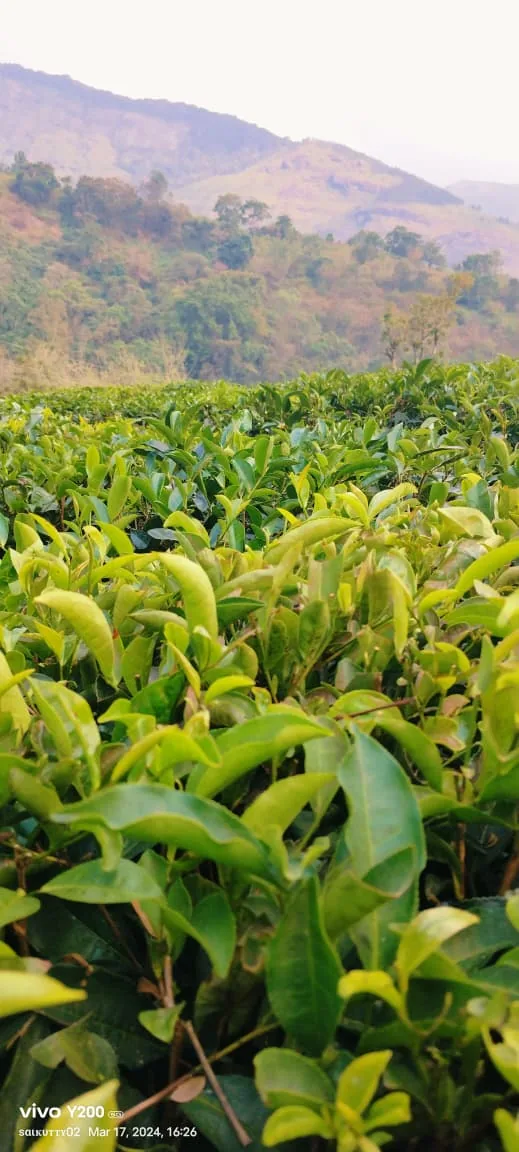
Photo: Wikimedia Commons · CC BY 4.0

Thesis
The key words in “茶之为用味至寒为饮最宜精行俭德之人” are not ornament. They mark where Tang tea names, vessels and provenance meet.
Text
“The use of tea: its nature is extremely cold, and as a beverage it is most suited to men of disciplined conduct and frugal virtue.”
Context
味至寒:茶性寒凉。精行俭德:品行精勤、生活俭朴。陆羽以"俭德"为茶道立纲。
Evidence
- Collation: 此句为全书思想核心,各本一致。"精行俭德"四字历代注家申说最多,为陆羽茶道精神的最高概括。
- Existing readings: 吴觉农指出"精行俭德"是陆羽茶道的灵魂:他把饮茶从口腹之欲提升为德行修养,与儒家的"俭以养德"相通——这四字奠定了中国茶道"以茶修行"的精神底色。
Analysis
The annotation matters less as philology than as a distinction between name and thing. 此句为全书思想核心,各本一致。"精行俭德"四字历代注家申说最多,为陆羽茶道精神的最高概括。 Once names settle, picking, grading and trade can share a language.
Conclusion
The section does not give a universal rule. It demonstrates a method: read the text, the annotation and the Tang context together before making a modern claim.
Source: The Classic of Tea, Chapter I · The Origin, section 8; the original is in the public domain.
Ask what period this person lived in.