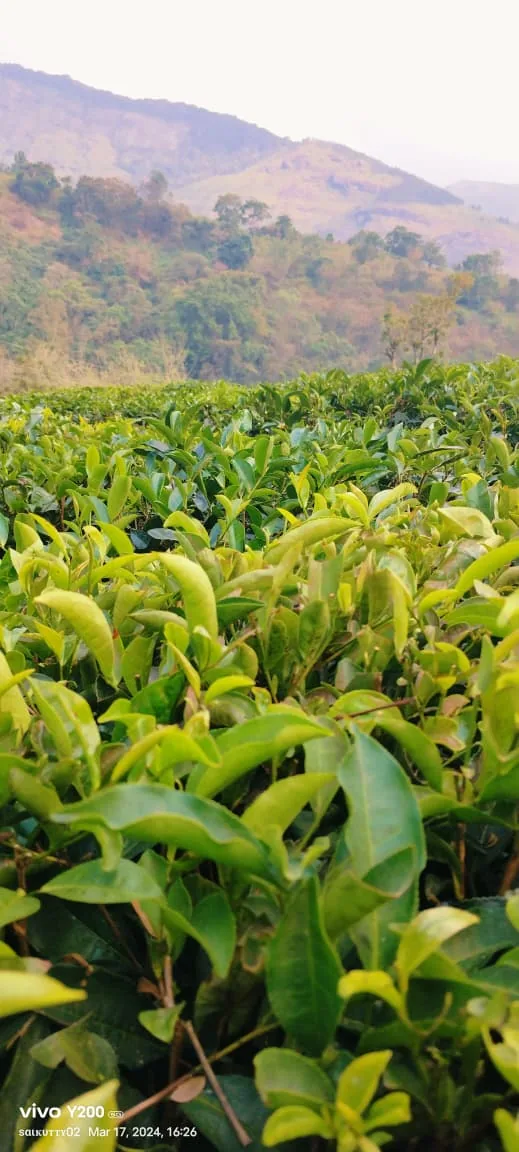
Photo: Wikimedia Commons · CC BY 4.0

Thesis
The key words in “其树如瓜芦叶如栀子花如白蔷薇实如栟榈蒂如丁香” are not ornament. They mark where Tang tea names, vessels and provenance meet.
Text
“Its tree resembles the gualu; its leaves the gardenia; its flowers the white rose; its fruit the palm-nut; its stem the clove; its root the walnut.”
Context
瓜芦:茶之别种,喻树形。栀子:花叶似栀子叶。白蔷薇:花白如蔷薇。栟榈(bīng lǘ):棕榈,喻茶果。蒂如丁香、根如胡桃:喻茶之蒂与根。
Evidence
- Collation: 本句各本一致。瓜芦古称"皋芦",为南方茶类异种;吴觉农据植物学指出,陆羽以六物喻茶之各部位,实为唐代对茶树的完整植物学描述。
- Existing readings: 吴觉农评此句为"最早的茶树形态学":瓜芦(皋芦)即苦丁茶类、栀子/蔷薇/丁香/胡桃皆南方常见植物,陆羽以类比法为不识字者立象,是科普写作的典范。
Analysis
The annotation matters less as philology than as a distinction between name and thing. 本句各本一致。瓜芦古称"皋芦",为南方茶类异种;吴觉农据植物学指出,陆羽以六物喻茶之各部位,实为唐代对茶树的完整植物学描述。 Once names settle, picking, grading and trade can share a language.
Conclusion
The section does not give a universal rule. It demonstrates a method: read the text, the annotation and the Tang context together before making a modern claim.
Source: The Classic of Tea, Chapter I · The Origin, section 7; the original is in the public domain.
Ask what period this person lived in.