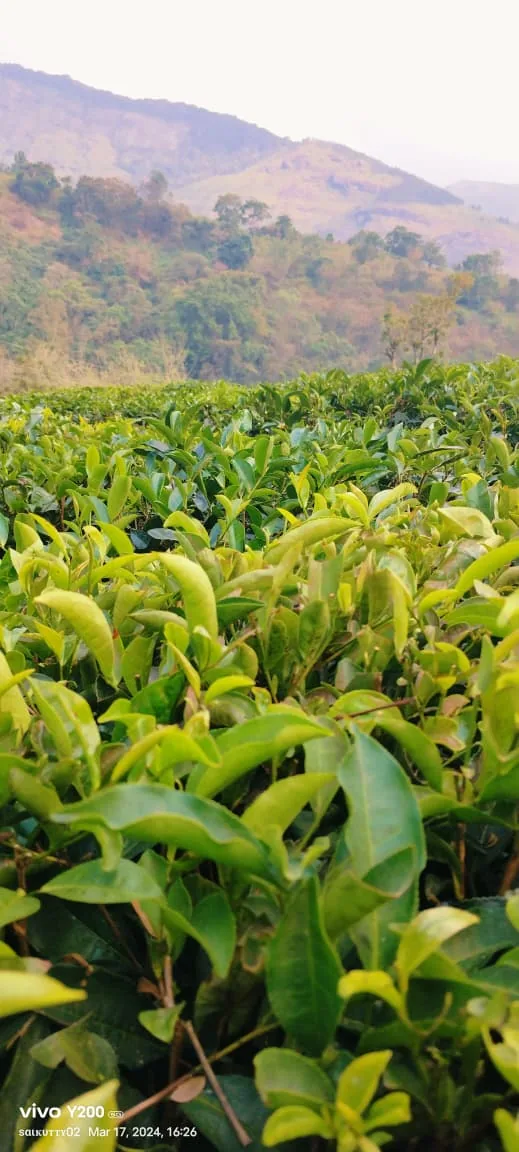
Photo: Wikimedia Commons · CC BY 4.0

Thesis
“野者上园者次阳崖阴林紫者上绿者次笋者上芽者次” still has operational value at a contemporary tea table, provided Tang conditions are not silently universalised.
Text
“Wild tea is best; that of the garden is inferior. On sunny cliffs beneath shady woods, the purple buds are best and the green ones inferior; buds like bamboo shoots are best, slender sprouts inferior; leaves that curl are best, leaves that spread open inferior.”
Context
野者:野生茶树。园者:人工茶园。阳崖阴林:向阳山崖、有林木遮阴之处。笋者:形如竹笋、肥壮的芽头;芽者:细嫩的芽。
Evidence
- Collation: 本句为全书最著名的品第标准,各本文字一致。唯"阳崖阴林"四库本作"阳崖阴林",有学者主张读"阳崖(上)阴林",即向阳崖与背阴林各有所宜,属断句之辨,非文字之异。
- Existing readings: 吴觉农评此句为"全经品茶的总纲":野放、向阳、荫蔽、紫芽、肥壮、卷叶,皆为内质丰富的生态表征。他同时提醒,"野者上"是唐代茶园未广时的经验,不可绝对化——后世名优茶多为园栽选育。
Analysis
To repeat this section today is not to copy a Tang utensil list. It is to keep its order of judgment: leaf first, then water and fire, then the table.
Conclusion
The section does not give a universal rule. It demonstrates a method: read the text, the annotation and the Tang context together before making a modern claim.
Source: The Classic of Tea, Chapter I · The Origin, section 6; the original is in the public domain.
Tea is grown and made, not just discussed.