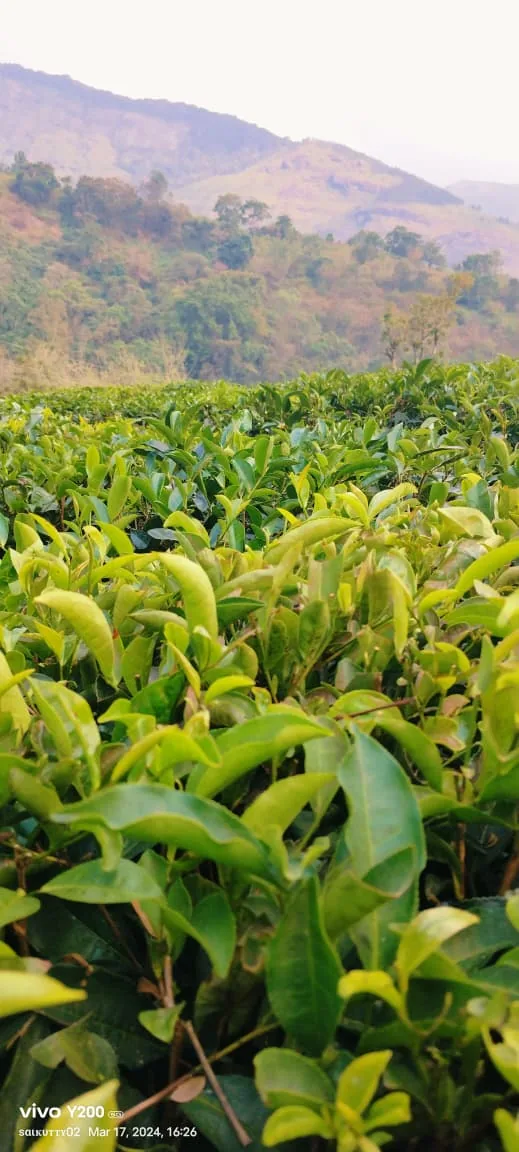
Photo: Wikimedia Commons · CC BY 4.0

Thesis
The key words in “凡艺而不实植而罕茂法如种瓜三岁可采” are not ornament. They mark where Tang tea names, vessels and provenance meet.
Text
“Those planted without firm rooting rarely flourish. The method is like growing melons: after three years the leaves may be gathered.”
Context
艺:种植。不实:指移栽的苗根系不扎实。种茶如种瓜,需育苗、移栽、护理,三年方可采摘。
Evidence
- Collation: “法如种瓜”:《百川学海》本作"法如种瓜",四库本同。清代有校本改"艺"为"蓺"(种植义),今从原文。
- Existing readings: 现代茶园实践印证"三岁可采":茶苗定植后约三年进入可采期。吴觉农注此句时特别提醒,唐代为丛栽老法,今之密植速生茶园周期更短,但陆羽"欲速则不达"的告诫仍有现实意义。
Analysis
The annotation matters less as philology than as a distinction between name and thing. “法如种瓜”:《百川学海》本作"法如种瓜",四库本同。清代有校本改"艺"为"蓺"(种植义),今从原文。 Once names settle, picking, grading and trade can share a language.
Conclusion
The section does not give a universal rule. It demonstrates a method: read the text, the annotation and the Tang context together before making a modern claim.
Source: The Classic of Tea, Chapter I · The Origin, section 5; the original is in the public domain.
Ask what period this person lived in.