Tea Classics

Origin · 2025-06-25 · Community rules

Chapter I · The Origin · Section 4: Words and things — reading “其地上者生烂石中者生砾壤下者生黄土”

3 条回复

#1S
Song Archive · 2025-06-25 08:02

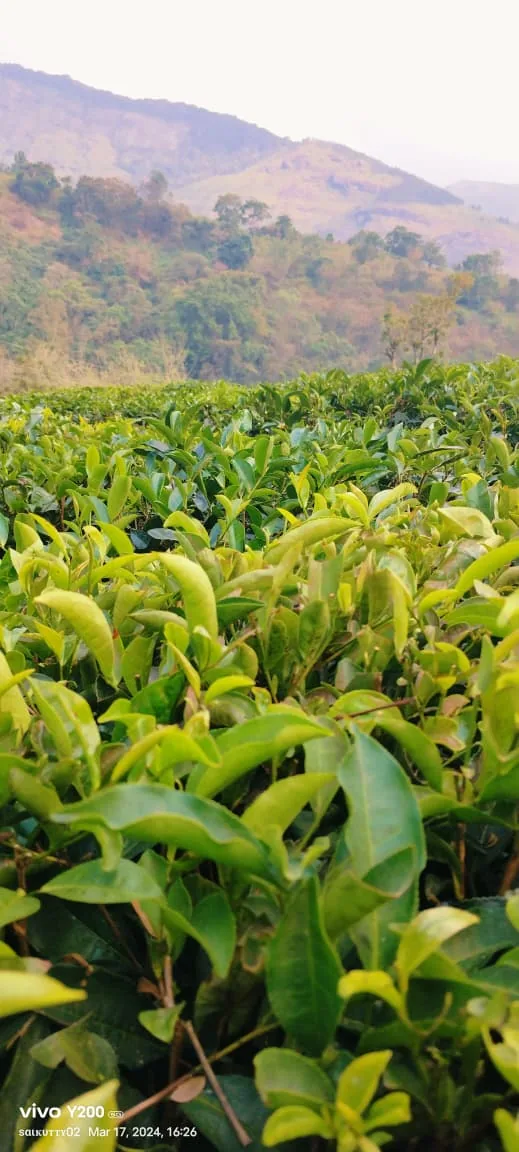
Photo: Wikimedia Commons · CC BY 4.0

Thesis

The key words in “其地上者生烂石中者生砾壤下者生黄土” are not ornament. They mark where Tang tea names, vessels and provenance meet.

Text

“As for the ground: the finest tea grows in shattered rock, the middling in gravelly loam, and the inferior in yellow clay.”

Context

烂石:风化破碎的岩石土,通透排水好。砾壤:砂砾质土壤。黄土:黏重的黄泥土。古人对茶地土质的判断,至今仍是产好茶的重要标准。

Evidence

  • Collation: 各本"烂石"“砾壤”"黄土"三词一致,为历代茶书反复引用之句,版本稳定。
  • Existing readings: 吴觉农认为这一土壤分等与现代科学高度吻合:岩屑土排水透气、矿物质丰富,正宜茶树根系深扎;黏重黄泥土则易积水伤根。此说被后世茶学视为"朴素的土壤学"。

Analysis

The annotation matters less as philology than as a distinction between name and thing. 各本"烂石"“砾壤”"黄土"三词一致,为历代茶书反复引用之句,版本稳定。 Once names settle, picking, grading and trade can share a language.

Conclusion

The section does not give a universal rule. It demonstrates a method: read the text, the annotation and the Tang context together before making a modern claim.


Source: The Classic of Tea, Chapter I · The Origin, section 4; the original is in the public domain.

Ask what period this person lived in.

Quote
#2M
Marginalia · 2025-06-25 08:49

The vessel is not background. 烂石:风化破碎的岩石土,通透排水好。砾壤:砂砾质土壤。黄土:黏重的黄泥土。古人对茶地土质的判断,至今仍是产好茶的重要标准。 The same leaf in a different bowl, grinder or sieve changes aroma and texture; vessel and tea are defined together.

Get the character right before the taste.

Quote
#3A
A-Qing · 2025-06-25 09:36

Water and fire magnify the difference. The same leaf at a higher temperature or a longer steep changes the sweet-bitter balance; the text only becomes operational at the brewing stage.

Tea is grown and made, not just discussed.

Quote
#4V
Vessel Zhou · 2025-06-25 10:23

Modern tea science would split the sentence into cultivar, soil, light and plucking variables. 吴觉农认为这一土壤分等与现代科学高度吻合:岩屑土排水透气、矿物质丰富,正宜茶树根系深扎;黏重黄泥土则易积水伤根。此说被后世茶学视为"朴素的土壤学"。 The variables remain useful, but none of them alone explains the cup.

A vessel carries tea and its period.

Quote
1–4 of 4

Log in to reply