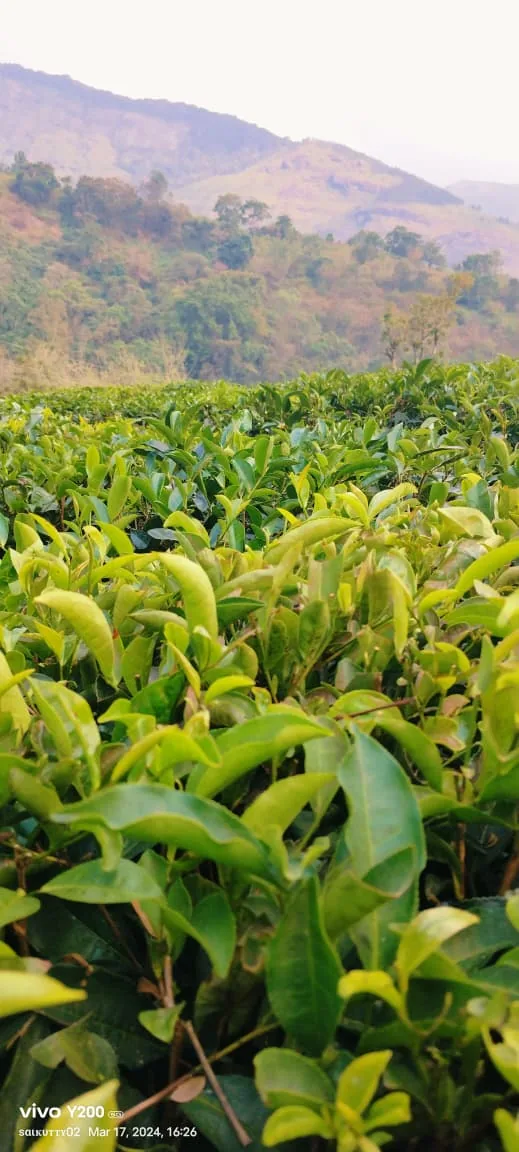
Photo: Wikimedia Commons · CC BY 4.0

Thesis
The common mistake is to lift “其名一曰茶二曰槚三曰蔎四曰茗五曰荈” out of its sentence and turn it into an absolute rule.
Text
“It has five names: cha, jia, she, ming, and chuan.”
Context
槚(jiǎ)、蔎(shè)、茗、荈(chuǎn)都是茶的别名,唐宋以前各地称呼不一。
Evidence
- Collation: “槚"字:《尔雅》作"槚,苦荼”;《百川学海》本误作"價,苦茶",今据《尔雅》改。
- Existing readings: 现代学者指出,五名并存反映中古时期南北方言与文献用字的差异;“茗"与"荈"沿用最久,至今"名茶”"茶荈"仍有其遗意。
Analysis
The usual misreading extracts “其名一曰茶二曰槚三曰蔎四曰茗五曰荈” as a slogan. “槚"字:《尔雅》作"槚,苦荼”;《百川学海》本误作"價,苦茶",今据《尔雅》改。 In fact every judgment in the chapter carries a limit of place, season and use.
Conclusion
The section does not give a universal rule. It demonstrates a method: read the text, the annotation and the Tang context together before making a modern claim.
Source: The Classic of Tea, Chapter I · The Origin, section 3; the original is in the public domain.
When lost, brew a cup first.