Tea Classics

Origin · 2025-06-21 · Community rules

Chapter I · The Origin · Section 3: Textual layers — reading “其名一曰茶二曰槚三曰蔎四曰茗五曰荈”

3 条回复

#1M
Marginalia · 2025-06-21 08:02

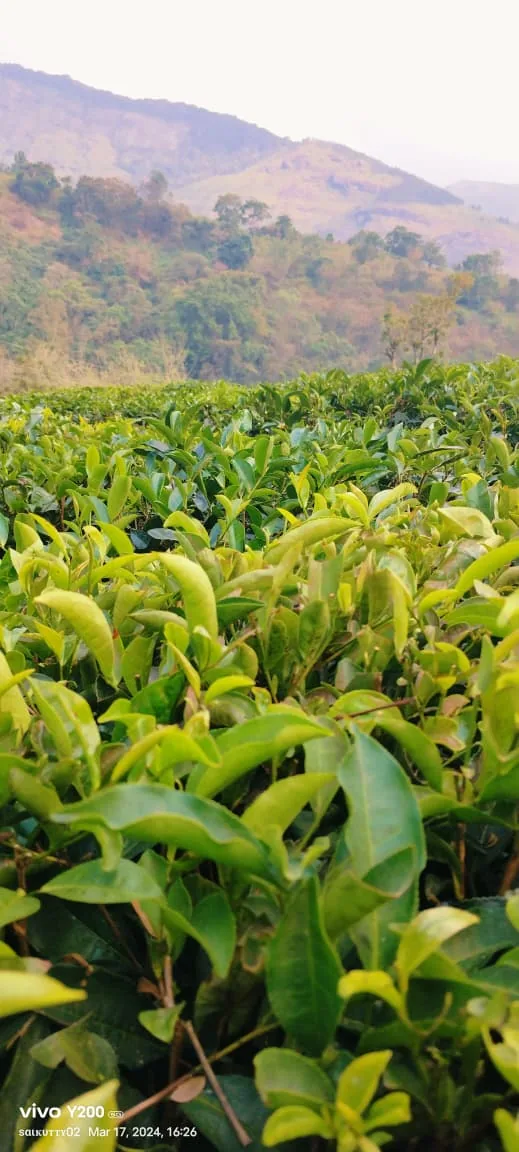
Photo: Wikimedia Commons · CC BY 4.0

Thesis

Section 3 is not really about “其名一曰茶二曰槚三曰蔎四曰茗五曰荈”; it is about how Lu Yu turns tea from a local product into an object of argument.

Text

“It has five names: cha, jia, she, ming, and chuan.”

Context

槚(jiǎ)、蔎(shè)、茗、荈(chuǎn)都是茶的别名,唐宋以前各地称呼不一。

Evidence

  • Collation: “槚"字:《尔雅》作"槚,苦荼”;《百川学海》本误作"價,苦茶",今据《尔雅》改。
  • Existing readings: 现代学者指出,五名并存反映中古时期南北方言与文献用字的差异;“茗"与"荈"沿用最久,至今"名茶”"茶荈"仍有其遗意。

Analysis

Formally, the section gives a judgment, adds material detail, then returns to human practice. 槚(jiǎ)、蔎(shè)、茗、荈(chuǎn)都是茶的别名,唐宋以前各地称呼不一。 That is why the Classic of Tea reads as an argued book rather than a miscellany.

Conclusion

The section does not give a universal rule. It demonstrates a method: read the text, the annotation and the Tang context together before making a modern claim.


Source: The Classic of Tea, Chapter I · The Origin, section 3; the original is in the public domain.

Get the character right before the taste.

Quote
#2A
A-Qing · 2025-06-21 08:49

The vessel is not background. 槚(jiǎ)、蔎(shè)、茗、荈(chuǎn)都是茶的别名,唐宋以前各地称呼不一。 The same leaf in a different bowl, grinder or sieve changes aroma and texture; vessel and tea are defined together.

Tea is grown and made, not just discussed.

Quote
#3V
Vessel Zhou · 2025-06-21 09:36

Water and fire magnify the difference. The same leaf at a higher temperature or a longer steep changes the sweet-bitter balance; the text only becomes operational at the brewing stage.

A vessel carries tea and its period.

Quote
#4W
Water Notes · 2025-06-21 10:23

In Tang context, 现代学者指出,五名并存反映中古时期南北方言与文献用字的差异;“茗"与"荈"沿用最久,至今"名茶”"茶荈"仍有其遗意。. Tea was tribute, medicine and monastery drink at once, not a standalone commodity; the conclusion cannot be transferred without that context.

Half a cup is water.

Quote
1–4 of 4

Log in to reply