Photo: Wikimedia Commons · CC BY 4.0

Thesis
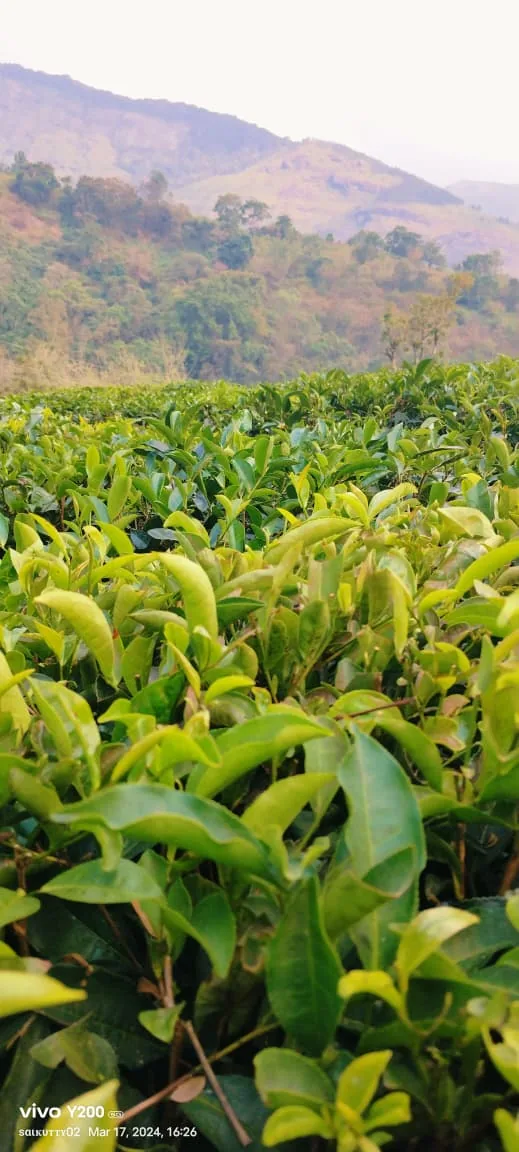
Read through modern tea science, “其字或从草或从木或草木并” is not a lab result but a set of variables: cultivar, soil, light and plucking standard.
Text
“As for the character, it is sometimes written with the grass radical, sometimes with the tree radical, and sometimes with both.”
Context
指"茶"字的三种写法:从草(茶)、从木(荼·读tú 亦或"楛")、或草木两部并用("茶"的异体)。
Evidence
- Collation: 本句版本差异集中于"草木并"三字:百川学海本作"或草木并",四库本同,各本无大出入。
- Existing readings: 吴觉农指出:唐宋以前"茶"多写作"荼",从草从木并行,反映了茶由野生草木到人工栽培的过渡;陆羽定"茶"为正字,对后世文字统一影响深远。
Analysis
Modern tea science would split “其字或从草或从木或草木并” into cultivar, soil, light and plucking variables. 吴觉农指出:唐宋以前"茶"多写作"荼",从草从木并行,反映了茶由野生草木到人工栽培的过渡;陆羽定"茶"为正字,对后世文字统一影响深远。 They remain testable, but only with their conditions attached.
Conclusion
The section does not give a universal rule. It demonstrates a method: read the text, the annotation and the Tang context together before making a modern claim.
Source: The Classic of Tea, Chapter I · The Origin, section 2; the original is in the public domain.
Experience should be explained, not mystified.