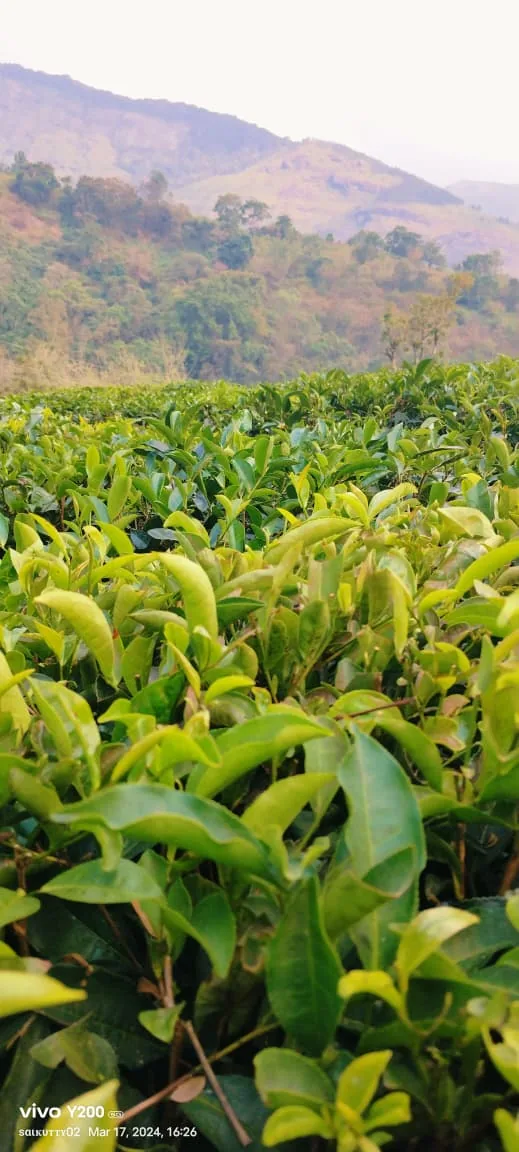
Photo: Wikimedia Commons · CC BY 4.0

Thesis
“其字或从草或从木或草木并” still has operational value at a contemporary tea table, provided Tang conditions are not silently universalised.
Text
“As for the character, it is sometimes written with the grass radical, sometimes with the tree radical, and sometimes with both.”
Context
指"茶"字的三种写法:从草(茶)、从木(荼·读tú 亦或"楛")、或草木两部并用("茶"的异体)。
Evidence
- Collation: 本句版本差异集中于"草木并"三字:百川学海本作"或草木并",四库本同,各本无大出入。
- Existing readings: 吴觉农指出:唐宋以前"茶"多写作"荼",从草从木并行,反映了茶由野生草木到人工栽培的过渡;陆羽定"茶"为正字,对后世文字统一影响深远。
Analysis
To repeat this section today is not to copy a Tang utensil list. It is to keep its order of judgment: leaf first, then water and fire, then the table.
Conclusion
The section does not give a universal rule. It demonstrates a method: read the text, the annotation and the Tang context together before making a modern claim.
Source: The Classic of Tea, Chapter I · The Origin, section 2; the original is in the public domain.
Tea is grown and made, not just discussed.