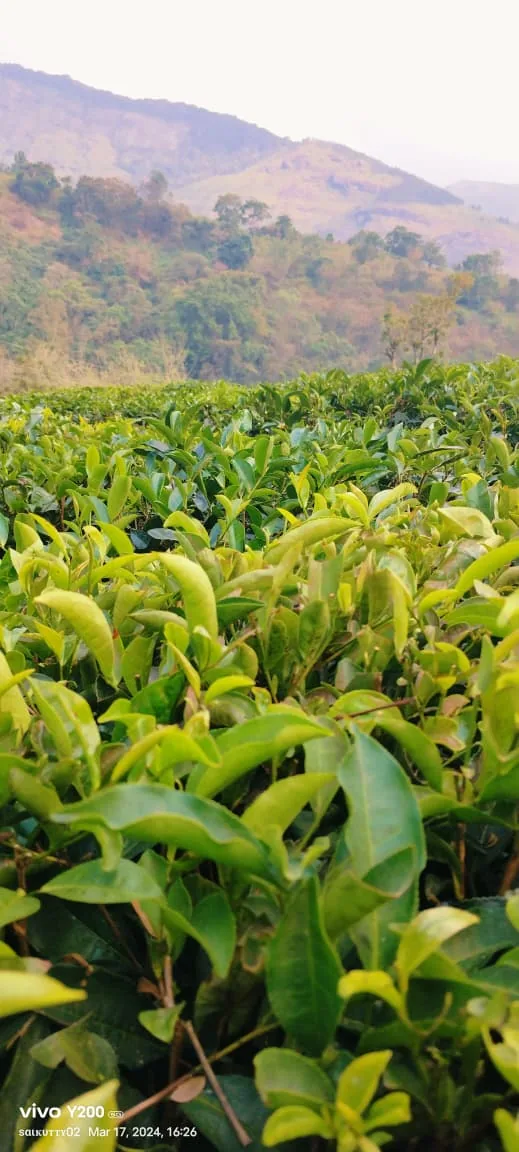
Photo: Wikimedia Commons · CC BY 4.0

Thesis
The common mistake is to lift “采不时造不精杂以卉莽饮之成疾茶为累也亦犹人参” out of its sentence and turn it into an absolute rule.
Text
“Picked out of season, made carelessly, adulterated with wild weeds, drinking it brings illness. The harm of tea, too, is like that of ginseng.”
Context
采不时:采摘不合时令。造不精:制作不精细。杂以卉莽:混入杂草。累:害处、弊端。
Evidence
- Collation: “亦犹人参"四库本作"亦犹人参”,各本一致。此句以人参为喻:人参本是良药,用法不当反成其害。
- Existing readings: 吴觉农评此句"辨证而客观":陆羽不因推崇茶就讳言其害,指出"采不时、造不精、杂以卉莽"皆可致病——这种科学态度,正是《茶经》超越时代之处。
Analysis
The usual misreading extracts “采不时造不精杂以卉莽饮之成疾茶为累也亦犹人参” as a slogan. “亦犹人参"四库本作"亦犹人参”,各本一致。此句以人参为喻:人参本是良药,用法不当反成其害。 In fact every judgment in the chapter carries a limit of place, season and use.
Conclusion
The section does not give a universal rule. It demonstrates a method: read the text, the annotation and the Tang context together before making a modern claim.
Source: The Classic of Tea, Chapter I · The Origin, section 10; the original is in the public domain.
When lost, brew a cup first.