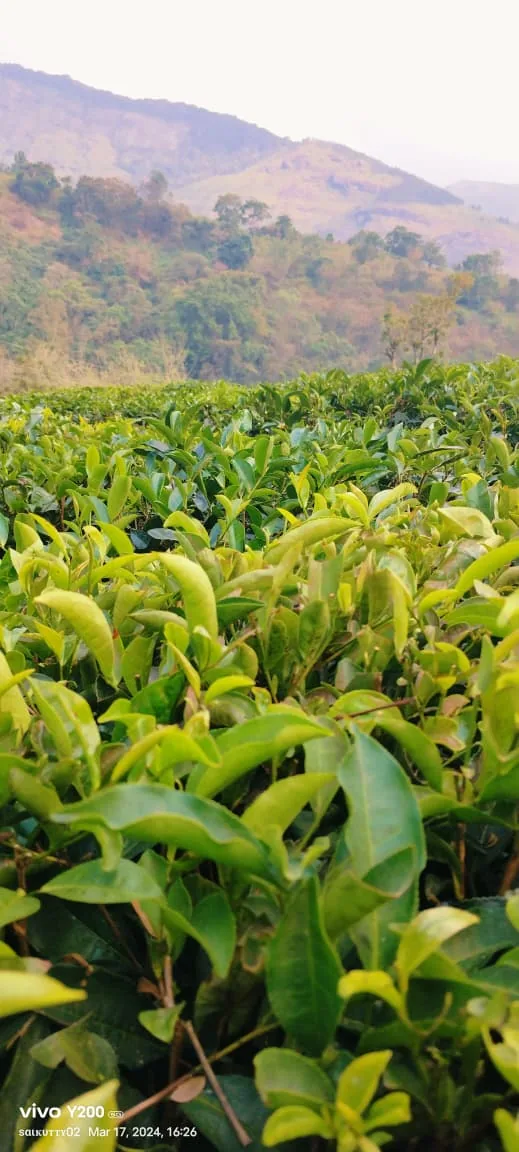
Photo: Wikimedia Commons · CC BY 4.0

Thesis
“茶者南方之嘉木也一尺二尺乃至数十尺其巴山峡川” still has operational value at a contemporary tea table, provided Tang conditions are not silently universalised.
Text
“Tea is a fine and noble tree of the South. It may stand one or two feet tall, or reach many dozens of feet. In the mountain gorges of Bashan, there are trees so thick that two men can barely encircle them; one must cut the boughs and pick the leaves from below.”
Context
嘉木:美好的树木。巴山峡川:泛指今重庆、湖北一带的巴山与三峡地区。伐而掇之:砍下枝条再采摘。
Evidence
- Collation: 底本以国图藏宋百川学海本为据,参校文渊阁四库本。沈冬梅校勘指出,现存最早宋本(咸淳百川学海本)尚有错讹三十余处,本句各本基本一致,唯"数十尺"有异文。
- Existing readings: 吴觉农《茶经述评》认为:开篇"嘉木"二字即点明茶的品格与地位,为全书"精行俭德"的立论张本;他据现代茶树栽培知识指出,"南方"产茶的地理判断与唐代茶叶分布基本吻合。
Analysis
To repeat this section today is not to copy a Tang utensil list. It is to keep its order of judgment: leaf first, then water and fire, then the table.
Conclusion
The section does not give a universal rule. It demonstrates a method: read the text, the annotation and the Tang context together before making a modern claim.
Source: The Classic of Tea, Chapter I · The Origin, section 1; the original is in the public domain.
Tea is grown and made, not just discussed.