Tea Classics

Origin · 2026-09-23 · Community rules

Chapter One and the Ten-Chapter Architecture

4 条回复

#1H
Houyue · 2026-09-23 08:02

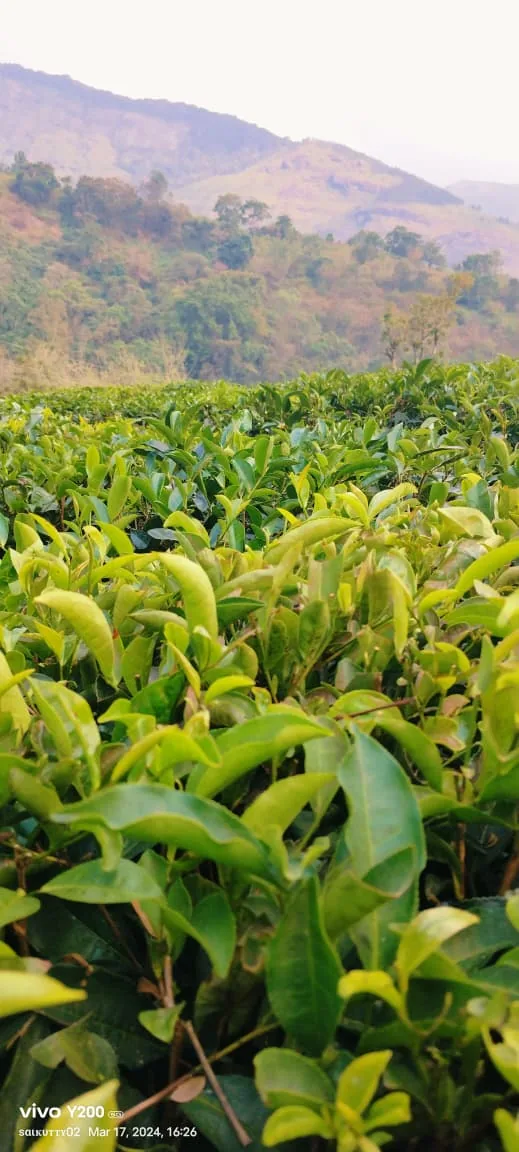
Photo: Wikimedia Commons · CC BY 4.0

Thesis

The ten chapters are not parallel encyclopedia entries. Chapter One defines the object; Chapters Two and Three cover picking and processing; Four and Five cover vessels, water and fire; Six drinking; Seven history; Eight provenance; Nine simplification; Ten illustration. Chapter One is the general frame.

It answers “what is tea” before “how to grow, pick, make, boil and drink it”. Read only as botany, the later chapters lose their value premise; read only as tea virtue, the material base disappears.

The structure is “thing first, virtue later”. Lu Yu does not start with spirit and look for examples; he writes the material nature fully, then lets the ethical claim grow out of it. This is the argumentative spine of the book.


Source: 维基文库·茶经/一之源

Quote
#2M
Marginalia · 2026-09-23 08:55

This piece pulls “Chapter One and the Ten-Chapter Architecture” back into the text. The first move is to limit the claim: Lu Yu writes about Tang tea, Tang soil and Tang brewing; change the conditions and the conclusion has to be rewritten.

Get the character right before the taste.

Quote
#3A
A-Qing · 2026-09-23 09:48

From the making side, a small change in plucking standard changes the sweet-bitter balance in the cup. The sentence is not a study-room abstraction; it has an operational background.

Tea is grown and made, not just discussed.

Quote
#4T
Tea Science · 2026-09-23 10:41

Modern tea science can split it into cultivar, soil, light and plucking variables, but the variables must be put back together. Using one of them to prove the whole passage is over-reading.

Experience should be explained, not mystified.

Quote
#5S
Song Archive · 2026-09-23 11:34

Textual caution still matters. Chapter One has variants, especially around 其字, 其名 and the plant description; cite the edition or the argument may rest on sand.

Ask what period this person lived in.

Quote
1–5 of 5

Log in to reply