Tea Classics

Origin · 2026-09-20 · Community rules

Two Men Could Barely Encircle It: Tang Tea Trees and Living Ancient Trees

4 条回复

#1H
Houyue · 2026-09-20 08:02

Photo: Wikimedia Commons · CC BY 4.0

Thesis

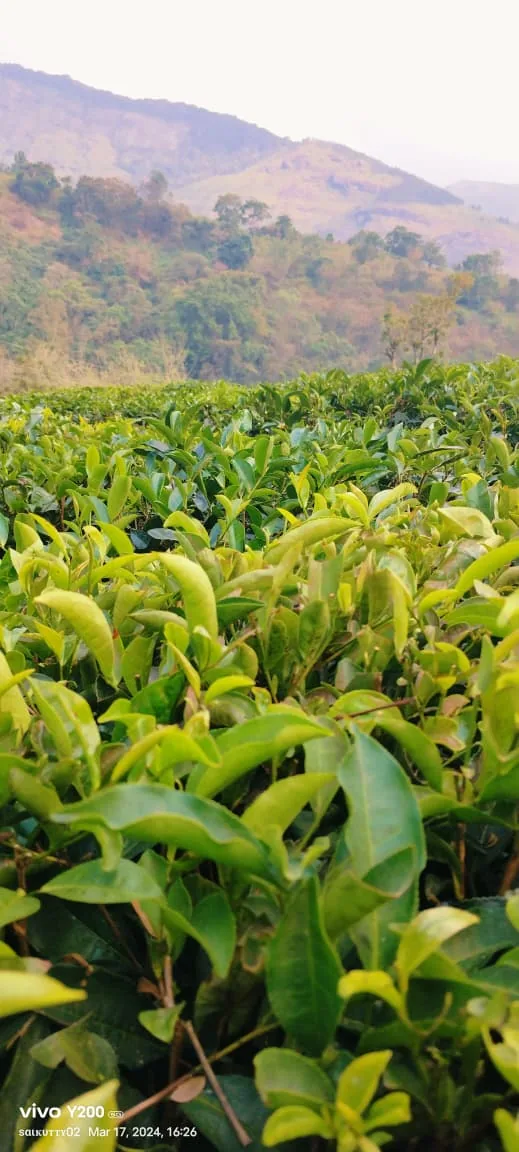
Chapter One speaks of tea trees in the Bashan gorges so thick that two men could barely encircle them; people cut the boughs to reach the leaves. Two facts follow: large arborescent tea trees existed in the south-west, and picking required cutting because the canopy was too high.

Wild and cultivated ancient tea trees still survive in Yunnan, Guizhou and Sichuan, and their girth and height can be compared with the text. But “ancient tree” is not a synonym for “good tea”: age is one variable among cultivar, ecology, picking and processing.

Lu Yu’s observation also has limits. He writes about the Bashan gorges, not every tea region; his sample is local. The passage is more useful as a species map than as a myth of origin.


Source: 百度百科·茶经

Quote
#2M
Marginalia · 2026-09-20 08:55

This piece pulls “Two Men Could Barely Encircle It: Tang Tea Trees and Living Ancient Trees” back into the text. The first move is to limit the claim: Lu Yu writes about Tang tea, Tang soil and Tang brewing; change the conditions and the conclusion has to be rewritten.

Get the character right before the taste.

Quote
#3A
A-Qing · 2026-09-20 09:48

From the making side, a small change in plucking standard changes the sweet-bitter balance in the cup. The sentence is not a study-room abstraction; it has an operational background.

Tea is grown and made, not just discussed.

Quote
#4T
Tea Science · 2026-09-20 10:41

Modern tea science can split it into cultivar, soil, light and plucking variables, but the variables must be put back together. Using one of them to prove the whole passage is over-reading.

Experience should be explained, not mystified.

Quote
#5S
Song Archive · 2026-09-20 11:34

Textual caution still matters. Chapter One has variants, especially around 其字, 其名 and the plant description; cite the edition or the argument may rest on sand.

Ask what period this person lived in.

Quote
1–5 of 5

Log in to reply