Tea Classics

Origin · 2026-09-05 · Community rules

Tea Is a Fine Tree of the South: How a Judgment Sentence Frames the Whole Book

4 条回复

#1H
Houyue · 2026-09-05 08:02

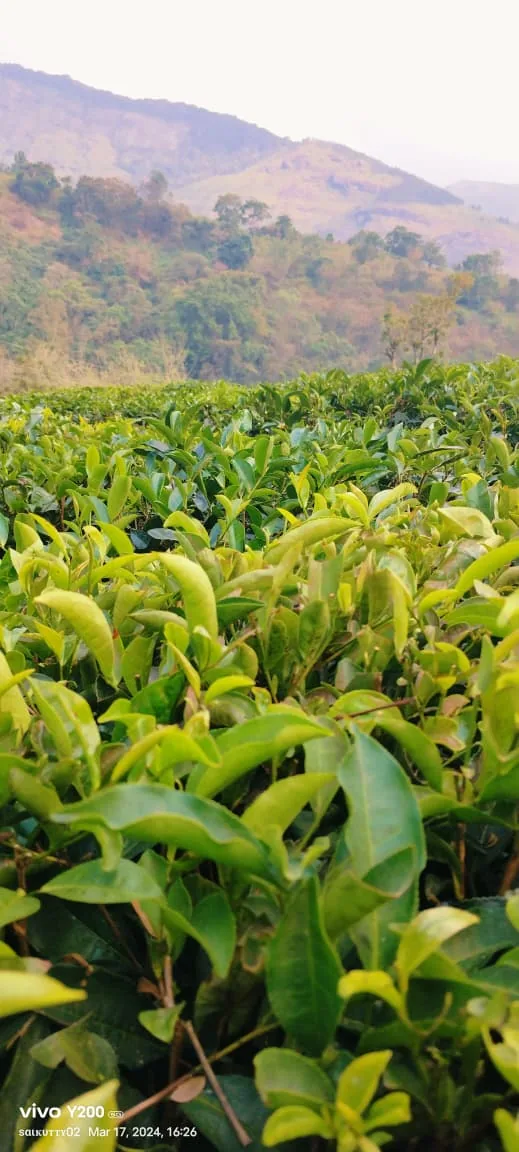
Photo: Wikimedia Commons · CC BY 4.0

Thesis

Chapter One does not open with a list of uses. It opens with a judgment: tea is a fine tree of the South. The sentence fixes three things at once — geography, botanical kind and value. 嘉 is not a neutral “good”; it carries praise and a norm.

By placing tea in the tradition of the fine tree, Lu Yu secures a cultural position for it before writing about soil, picking and utensils. Without that opening, the technical detail would scatter into an agricultural manual.

This is what separates the Classic of Tea from ordinary natural history: it establishes the value of its object in one sentence, then spends the book showing that the value is not empty. The first sentence of Chapter One should not be passed over.


Source: 光明日报·茶德与儒

Quote
#2M
Marginalia · 2026-09-05 08:55

This piece pulls “Tea Is a Fine Tree of the South: How a Judgment Sentence Frames the Whole Book” back into the text. The first move is to limit the claim: Lu Yu writes about Tang tea, Tang soil and Tang brewing; change the conditions and the conclusion has to be rewritten.

Get the character right before the taste.

Quote
#3A
A-Qing · 2026-09-05 09:48

From the making side, a small change in plucking standard changes the sweet-bitter balance in the cup. The sentence is not a study-room abstraction; it has an operational background.

Tea is grown and made, not just discussed.

Quote
#4T
Tea Science · 2026-09-05 10:41

Modern tea science can split it into cultivar, soil, light and plucking variables, but the variables must be put back together. Using one of them to prove the whole passage is over-reading.

Experience should be explained, not mystified.

Quote
#5S
Song Archive · 2026-09-05 11:34

Textual caution still matters. Chapter One has variants, especially around 其字, 其名 and the plant description; cite the edition or the argument may rest on sand.

Ask what period this person lived in.

Quote
1–5 of 5

Log in to reply