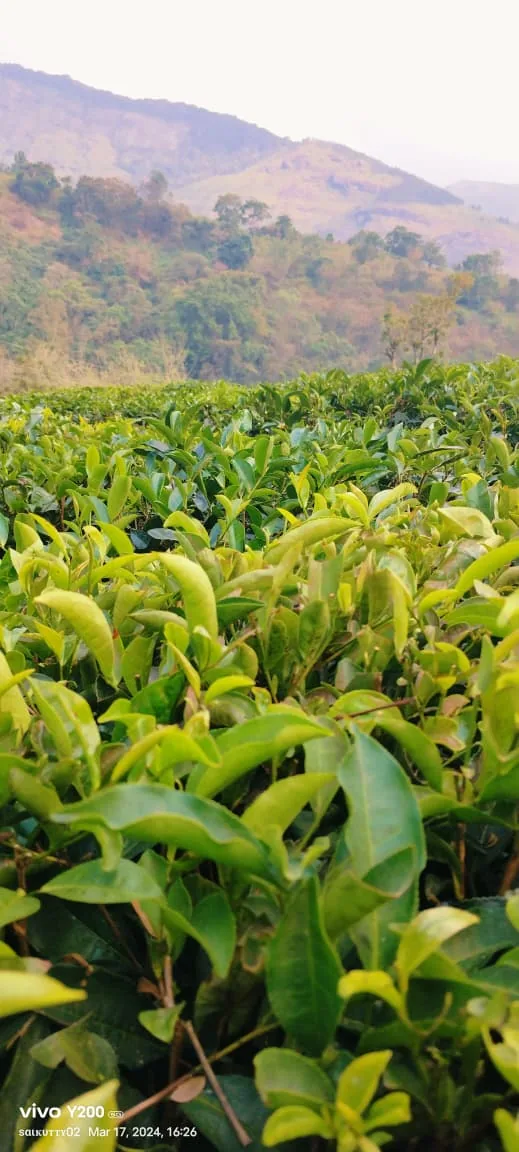
Photo: Wikimedia Commons · CC BY 4.0

Thesis
Chapter One lists five names — 茶, 槚, 蔎, 茗, 荈 — and notes that the character may take the grass, wood, or both radicals. This is not a casual synonym list. It records parallel regional and textual names before 茶 became the standard word.
槚 appears in the Erya; 蔎 is a south-western dialect word; 茗 and 荈 are sometimes distinguished by early or late picking. By placing them side by side, Lu Yu admits that tea had a local language history before it had a unified written name.
Using 茶 today is convenient, but it hides that layer. Keeping the old names while reading is not antiquarianism; it reminds us that the concept was unified later than the plant was known.
Source: 维基文库·茶经/一之源