Tea Classics

Origin · 2026-08-18 · Community rules

Wild Before Garden: Tang Wild-Tea Experience Is Not a Universal Rule

4 条回复

#1H
Houyue · 2026-08-18 08:02

Photo: Wikimedia Commons · CC BY 4.0

Thesis

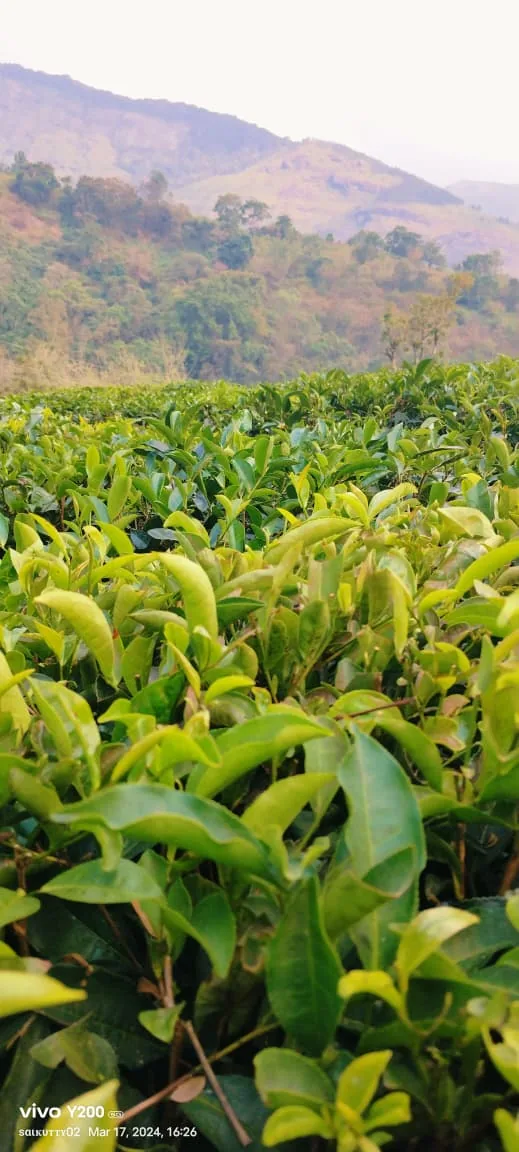
“Wild is superior, garden is next” is often used to prove that wild tea must beat plantation tea. In context, it is first a Tang ranking of leaf sources: wild trees are scattered, low-yielding and hard to pick, but often grow in more complex mountain environments; garden tea is manageable but more variable.

The chapter immediately adds yang cliffs and yin forests, purple buds, needle buds, rolled leaves. Lu Yu is not running a single-variable test called wild versus garden. He is reading light, bud form and plucking standard together. Extracting “wild is best” as a universal law ignores the rest of the sentence.

Today’s old-tree, natural-farmed and terrace-tea debate should compare cultivar, tree age, ecology, management and processing — not the word “wild”. Wild tea can carry disease, off-flavours or careless picking; garden tea can be clean and layered.


Source: 中国茶叶流通协会·茶艺观研究

Quote
#2M
Marginalia · 2026-08-18 08:55

This piece pulls “Wild Before Garden: Tang Wild-Tea Experience Is Not a Universal Rule” back into the text. The first move is to limit the claim: Lu Yu writes about Tang tea, Tang soil and Tang brewing; change the conditions and the conclusion has to be rewritten.

Get the character right before the taste.

Quote
#3A
A-Qing · 2026-08-18 09:48

From the making side, a small change in plucking standard changes the sweet-bitter balance in the cup. The sentence is not a study-room abstraction; it has an operational background.

Tea is grown and made, not just discussed.

Quote
#4T
Tea Science · 2026-08-18 10:41

Modern tea science can split it into cultivar, soil, light and plucking variables, but the variables must be put back together. Using one of them to prove the whole passage is over-reading.

Experience should be explained, not mystified.

Quote
#5S
Song Archive · 2026-08-18 11:34

Textual caution still matters. Chapter One has variants, especially around 其字, 其名 and the plant description; cite the edition or the argument may rest on sand.

Ask what period this person lived in.

Quote
1–5 of 5

Log in to reply