Photo: Wikimedia Commons · CC BY 4.0

Thesis
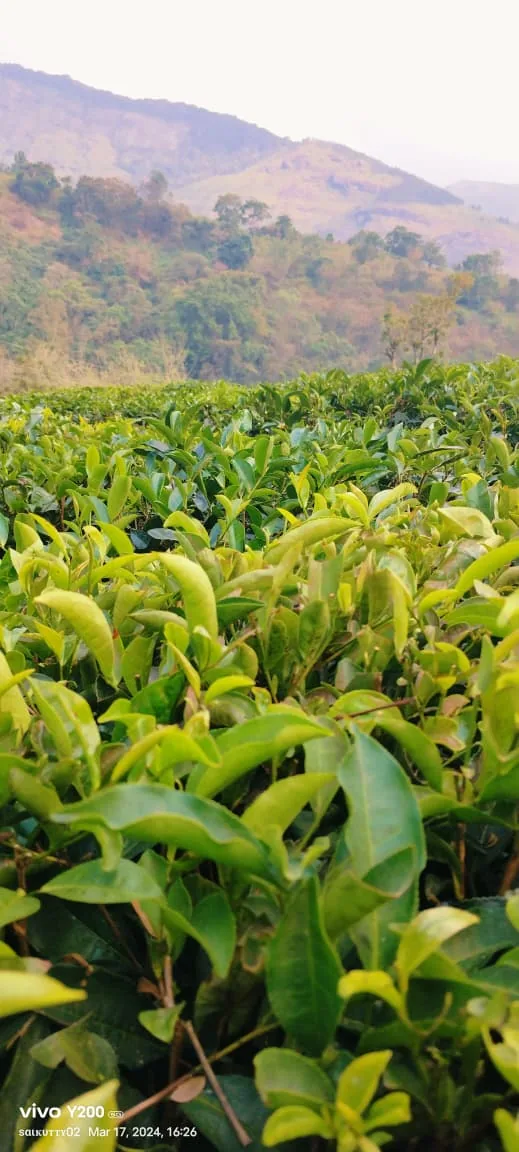
Chapter One grades soil as 烂石, 砾壤 and 黄土. Chen Wenhua’s reading of 烂石 is weathered rock that has broken down into a loose, sandy, well-drained medium — not literal rotten stone. It is an empirical description of high-mountain tea soil, not literary exaggeration.
Modern tea science supplies the mechanism: tea prefers acid soils, roots form mycorrhizal associations, and a gritty structure prevents waterlogging while supporting aeration. Lu Yu had no pH meter, but his ranking brings structure, drainage and fertility into one judgment.
The misreading to avoid is equating 烂石 with “the poorer and stonier, the better”. The key is weathering and structure, not stones as such. Today one still has to check soil depth, organic matter and moisture.
Source: 中国茶叶流通协会·自然科学元素