Tea Classics

Brewing · 2025-11-25 · Community rules

Chapter V · The Brewing · Section 1: At a contemporary tea table — reading “其水用山水上江水中井水下”

3 条回复

#1A
A-Qing · 2025-11-25 08:02

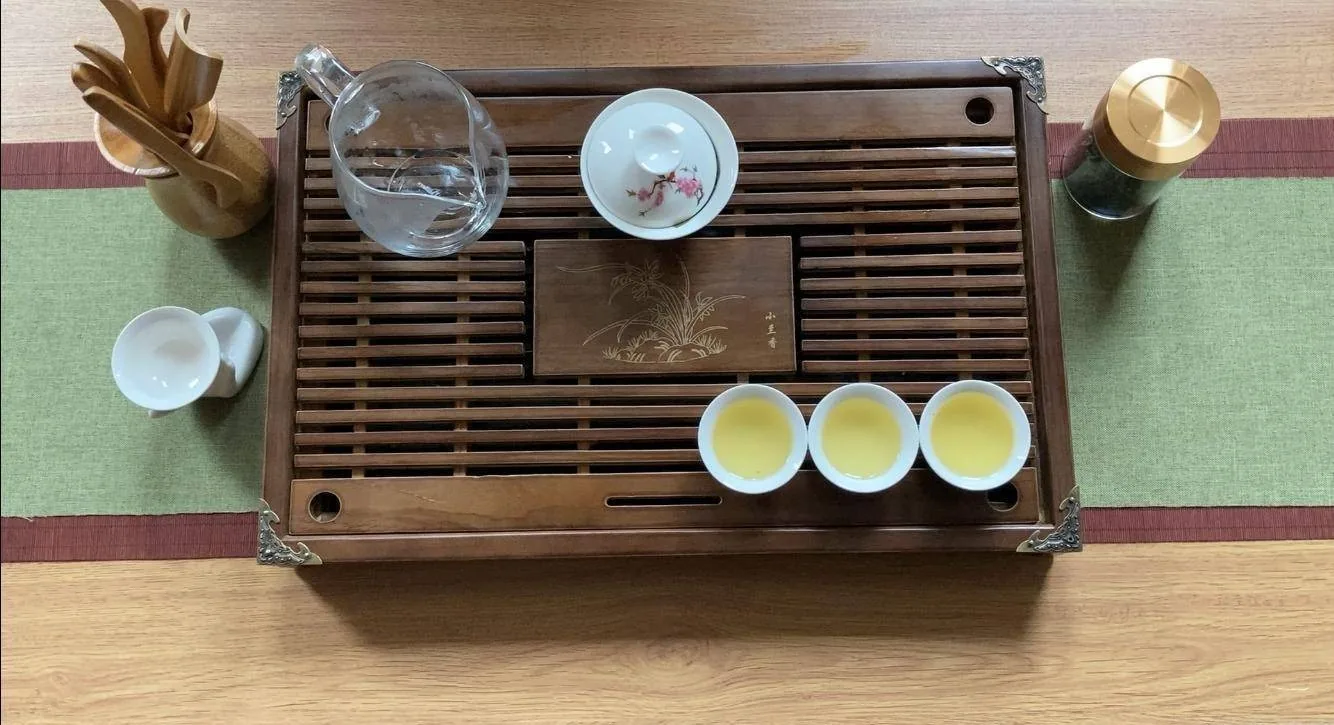
Photo: Wikimedia Commons · CC BY-SA 4.0

Thesis

“其水用山水上江水中井水下” still has operational value at a contemporary tea table, provided Tang conditions are not silently universalised.

Text

“For water: mountain spring is best, river water next, and well water lowest.”

Context

古人择水:山泉水最优,江水次之,井水最下。核心是"活"与"清"。

Evidence

  • Collation: 各本一致。此句为全书最广为引用的择水标准,后世茶书多沿其说。
  • Existing readings: 吴觉农指出:陆羽"山水上"之论影响千年,其内核是"活水为上"——山泉活水含氧高、杂质少;现代水质科学证实,矿物质适度、溶氧充足的活水确实更宜茶。

Analysis

To repeat this section today is not to copy a Tang utensil list. It is to keep its order of judgment: leaf first, then water and fire, then the table.

Conclusion

The section does not give a universal rule. It demonstrates a method: read the text, the annotation and the Tang context together before making a modern claim.


Source: The Classic of Tea, Chapter V · The Brewing, section 1; the original is in the public domain.

Tea is grown and made, not just discussed.

Quote
#2M
Marginalia · 2025-11-25 08:49

Water and fire magnify the difference. The same leaf at a higher temperature or a longer steep changes the sweet-bitter balance; the text only becomes operational at the brewing stage.

Get the character right before the taste.

Quote
#3V
Vessel Zhou · 2025-11-25 09:36

In Tang context, 吴觉农指出:陆羽"山水上"之论影响千年,其内核是"活水为上"——山泉活水含氧高、杂质少;现代水质科学证实,矿物质适度、溶氧充足的活水确实更宜茶。. Tea was tribute, medicine and monastery drink at once, not a standalone commodity; the conclusion cannot be transferred without that context.

A vessel carries tea and its period.

Quote
#4W
Water Notes · 2025-11-25 10:23

Modern tea science would split the sentence into cultivar, soil, light and plucking variables. 吴觉农指出:陆羽"山水上"之论影响千年,其内核是"活水为上"——山泉活水含氧高、杂质少;现代水质科学证实,矿物质适度、溶氧充足的活水确实更宜茶。 The variables remain useful, but none of them alone explains the cup.

Half a cup is water.

Quote
1–4 of 4

Log in to reply