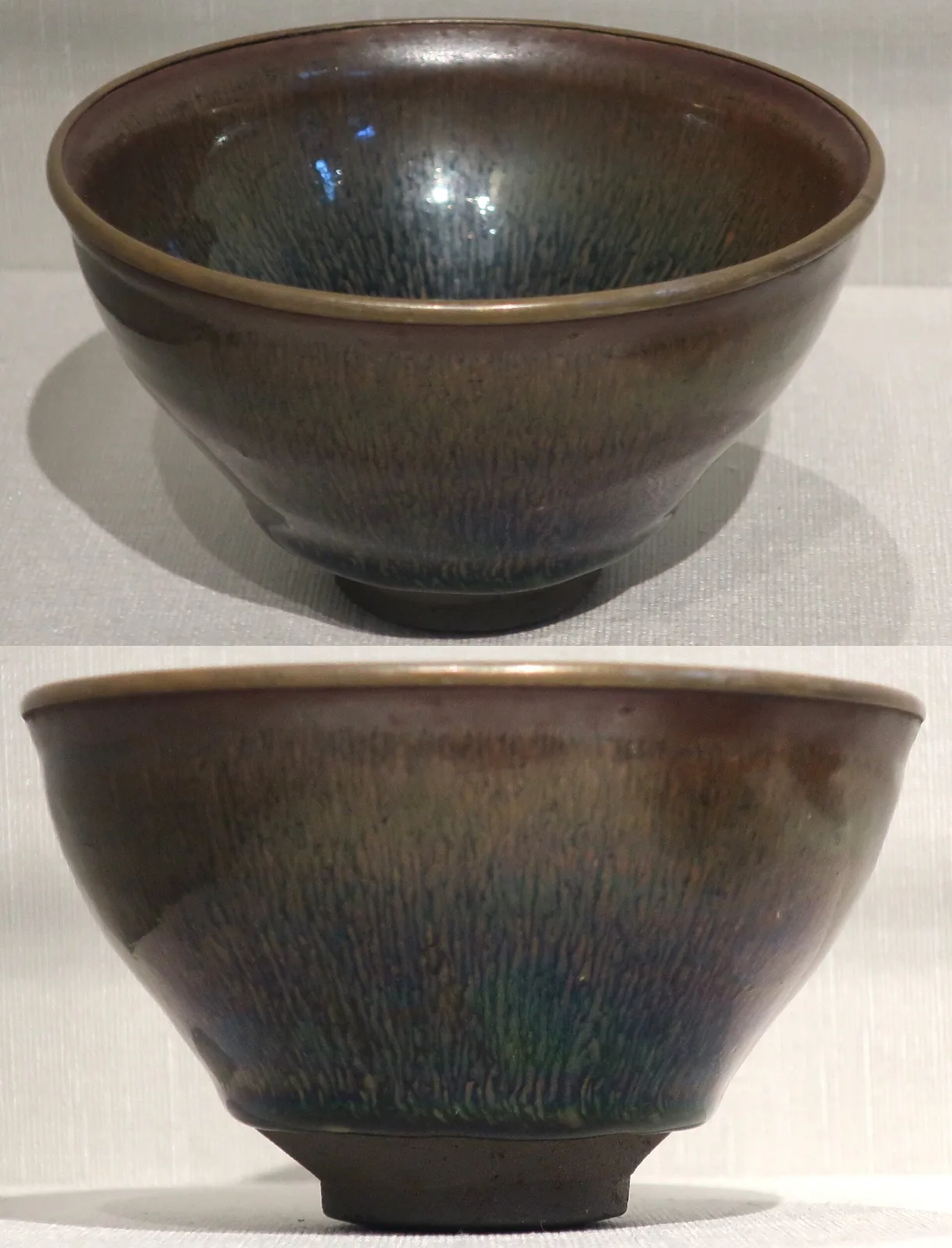
Tea Classics

Vessels · 2025-10-24 · Community rules

Chapter IV · The Vessels · Section 3: A common misreading — reading “碗越州上鼎州次婺州次岳州上寿州洪州次”

3 条回复

#1N
New Reader · 2025-10-24 08:02

Photo: Wikimedia Commons · CC0

Thesis

The common mistake is to lift “碗越州上鼎州次婺州次岳州上寿州洪州次” out of its sentence and turn it into an absolute rule.

Text

“For tea bowls, those of Yuezhou are best, Dingzhou and Wuzhou next; of the Yuezhou type, Yue is finest, then Shouzhou and Hongzhou.”

Context

唐代评瓷碗,越窑青瓷为上。陆羽推"越窑类玉、类冰"。

Evidence

  • Collation: 本句版本差异较大:四库本作"碗,越州上,鼎州次,婺州次;岳州上,寿州次,洪州次",与百川学海本略异;"越州上"之断句历代有争,今从通行本。
  • Existing readings: 吴觉农释此句:陆羽以"类玉类冰"推崇越窑青瓷,因其釉色青绿,与茶汤相衬更显清澈;其"青瓷胜白瓷"之论,与唐代以"青"为尚的审美一致。

Analysis

The usual misreading extracts “碗越州上鼎州次婺州次岳州上寿州洪州次” as a slogan. 本句版本差异较大:四库本作"碗,越州上,鼎州次,婺州次;岳州上,寿州次,洪州次",与百川学海本略异;"越州上"之断句历代有争,今从通行本。 In fact every judgment in the chapter carries a limit of place, season and use.

Conclusion

The section does not give a universal rule. It demonstrates a method: read the text, the annotation and the Tang context together before making a modern claim.


Source: The Classic of Tea, Chapter IV · The Vessels, section 3; the original is in the public domain.

When lost, brew a cup first.

Quote
#2M
Marginalia · 2025-10-24 08:49

Water and fire magnify the difference. The same leaf at a higher temperature or a longer steep changes the sweet-bitter balance; the text only becomes operational at the brewing stage.

Get the character right before the taste.

Quote
#3A
A-Qing · 2025-10-24 09:36

In Tang context, 吴觉农释此句:陆羽以"类玉类冰"推崇越窑青瓷,因其釉色青绿,与茶汤相衬更显清澈;其"青瓷胜白瓷"之论,与唐代以"青"为尚的审美一致。. Tea was tribute, medicine and monastery drink at once, not a standalone commodity; the conclusion cannot be transferred without that context.

Tea is grown and made, not just discussed.

Quote
#4V
Vessel Zhou · 2025-10-24 10:23

Modern tea science would split the sentence into cultivar, soil, light and plucking variables. 吴觉农释此句:陆羽以"类玉类冰"推崇越窑青瓷,因其釉色青绿,与茶汤相衬更显清澈;其"青瓷胜白瓷"之论,与唐代以"青"为尚的审美一致。 The variables remain useful, but none of them alone explains the cup.

A vessel carries tea and its period.

Quote
1–4 of 4

Log in to reply