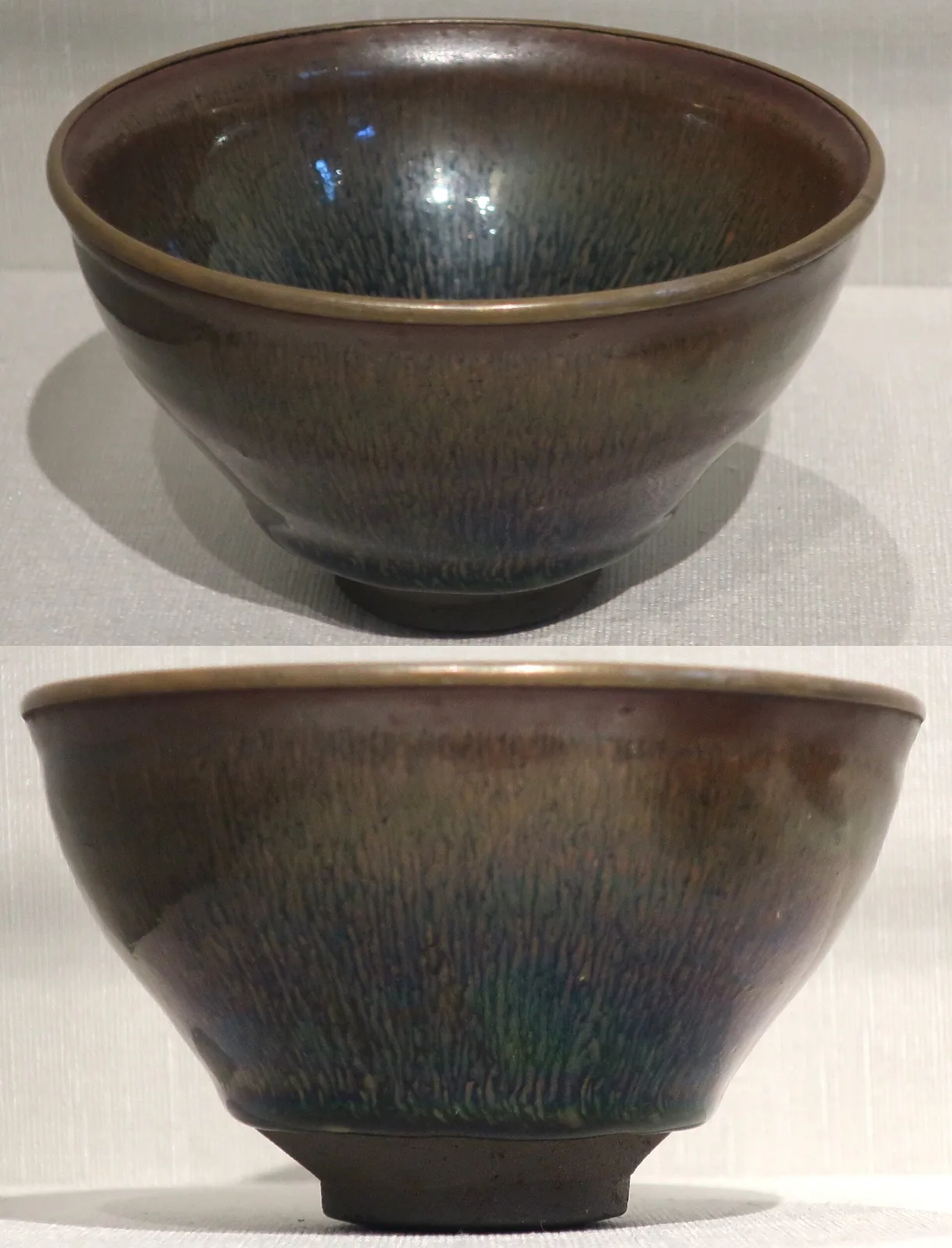
Tea Classics

Vessels · 2025-10-14 · Community rules

Chapter IV · The Vessels · Section 1: Words and things — reading “风炉以铜铁铸之如古鼎形”

3 条回复

#1S
Song Archive · 2025-10-14 08:02

Photo: Wikimedia Commons · CC0

Thesis

The key words in “风炉以铜铁铸之如古鼎形” are not ornament. They mark where Tang tea names, vessels and provenance meet.

Text

“The wind stove is cast of copper or iron, shaped like an ancient tripod.”

Context

风炉:煮水用的炉子,仿古鼎形制,以铜铁铸造。

Evidence

  • Collation: 各本一致。唯后世刊本或作"古鼎形"或作"古鼎之形",无实质差异。
  • Existing readings: 吴觉农指出:风炉取鼎形,既稳固聚火,又寓"以茶事承三代礼器"之意;陆羽为风炉铭刻"坎上巽下离于中"等卦辞,可见其以易理入茶器的审美。

Analysis

The annotation matters less as philology than as a distinction between name and thing. 各本一致。唯后世刊本或作"古鼎形"或作"古鼎之形",无实质差异。 Once names settle, picking, grading and trade can share a language.

Conclusion

The section does not give a universal rule. It demonstrates a method: read the text, the annotation and the Tang context together before making a modern claim.


Source: The Classic of Tea, Chapter IV · The Vessels, section 1; the original is in the public domain.

Ask what period this person lived in.

Quote
#2M
Marginalia · 2025-10-14 08:49

As a new reader, I first took “风炉以铜铁铸之如古鼎形” as a conclusion. Reading the annotation to section 1 again, it is clearly a judgment with conditions attached.

Get the character right before the taste.

Quote
#3A
A-Qing · 2025-10-14 09:36

Textually, 各本一致。唯后世刊本或作"古鼎形"或作"古鼎之形",无实质差异。. The point is that “the original” is not a single stable text; name the edition before making a strong claim.

Tea is grown and made, not just discussed.

Quote
#4V
Vessel Zhou · 2025-10-14 10:23

A maker reads “风炉以铜铁铸之如古鼎形” through weather and soil first. 风炉:煮水用的炉子,仿古鼎形制,以铜铁铸造。 That is not far from how we judge a mountain and a picking window today.

A vessel carries tea and its period.

Quote
1–4 of 4

Log in to reply