Photo: Wikimedia Commons · CC BY 4.0

Thesis
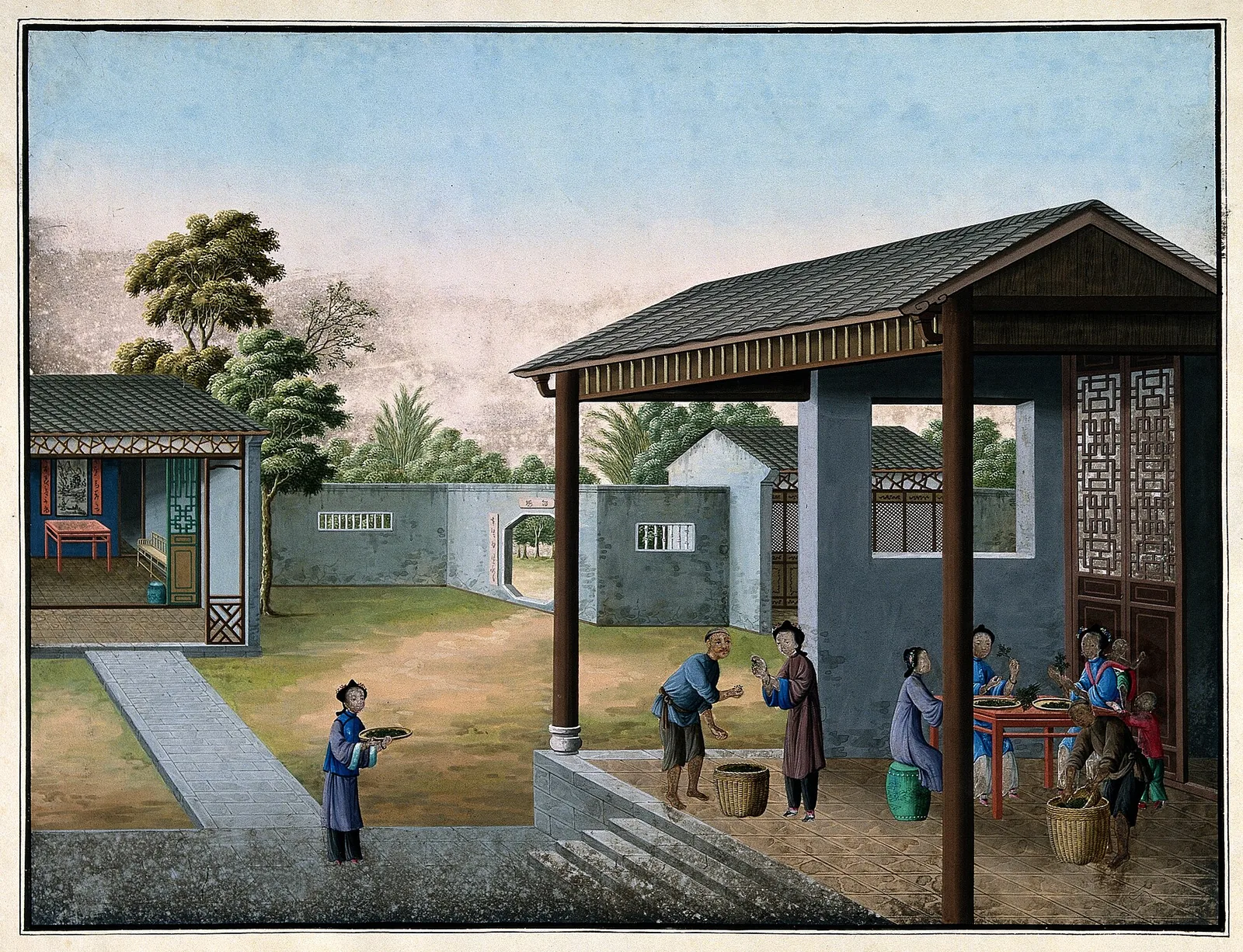
Section 9 is not really about “茶之否臧存于口决”; it is about how Lu Yu turns tea from a local product into an object of argument.
Text
“The good and ill of tea rest in the transmitted oral formula.”
Context
否臧(pǐ zāng):好坏、优劣。口决:口口相传的诀窍。
Evidence
- Collation: "否臧"各本一致,意为善恶、优劣。吴觉农注:此句为三之造收束,言鉴茶之妙存乎口诀、非文字可尽。
- Existing readings: 吴觉农指出:陆羽写尽工艺却以"口决"收束,正说明茶艺之精微难以言传,需师徒相授——这份"知止"的谦逊,恰是茶道精神的体现。
Analysis
Formally, the section gives a judgment, adds material detail, then returns to human practice. 否臧(pǐ zāng):好坏、优劣。口决:口口相传的诀窍。 That is why the Classic of Tea reads as an argued book rather than a miscellany.
Conclusion
The section does not give a universal rule. It demonstrates a method: read the text, the annotation and the Tang context together before making a modern claim.
Source: The Classic of Tea, Chapter III · The Making, section 9; the original is in the public domain.
Get the character right before the taste.