Tea Classics

Making · 2025-09-16 · Community rules

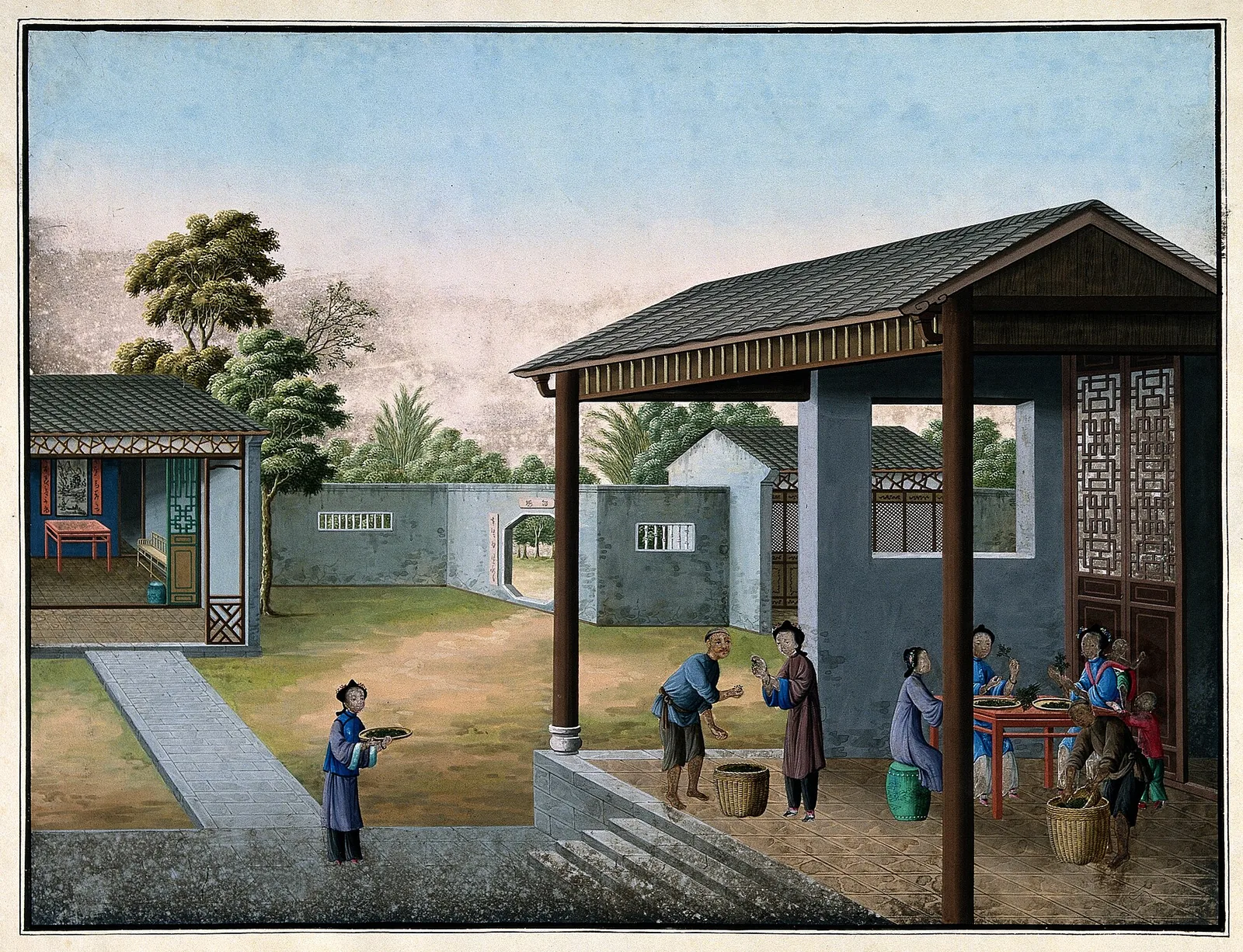
Chapter III · The Making · Section 4: In Tang context — reading “蒸之捣之拍之焙之穿之封之茶之干矣”

3 条回复

#1S
Song Archive · 2025-09-16 08:02

Photo: Wikimedia Commons · CC BY 4.0

Thesis

“蒸之捣之拍之焙之穿之封之茶之干矣” only becomes legible inside Tang tribute tea, monastery tea and literati life.

Text

“Steam it, pound it, press it, roast it, string it, seal it — and the tea is done.”

Context

蒸青制茶六道工序:蒸、捣、拍、焙、穿、封。这是唐代饼茶的完整流程。

Evidence

  • Collation: 此句为全书制茶工艺的总纲,各本一致。六道工序名目在历代注本中屡有申说,文字稳定。
  • Existing readings: 吴觉农指出"六之"即唐代饼茶全流程:蒸青→捣烂→入模拍压成饼→焙干→穿串→封藏;其中"蒸"法奠定中国绿茶蒸青传统,后传入日本演为玉露制法。

Analysis

The largest gap between Tang and now is that tea was simultaneously medicine, tribute and everyday practice. 吴觉农指出"六之"即唐代饼茶全流程:蒸青→捣烂→入模拍压成饼→焙干→穿串→封藏;其中"蒸"法奠定中国绿茶蒸青传统,后传入日本演为玉露制法。 Without that, the chapter collapses into botany.

Conclusion

The section does not give a universal rule. It demonstrates a method: read the text, the annotation and the Tang context together before making a modern claim.


Source: The Classic of Tea, Chapter III · The Making, section 4; the original is in the public domain.

Ask what period this person lived in.

Quote
#2M
Marginalia · 2025-09-16 08:49

Modern tea science would split the sentence into cultivar, soil, light and plucking variables. 吴觉农指出"六之"即唐代饼茶全流程:蒸青→捣烂→入模拍压成饼→焙干→穿串→封藏;其中"蒸"法奠定中国绿茶蒸青传统,后传入日本演为玉露制法。 The variables remain useful, but none of them alone explains the cup.

Get the character right before the taste.

Quote
#3A
A-Qing · 2025-09-16 09:36

Storage adds another variable: moisture and temperature. 此句为全书制茶工艺的总纲,各本一致。六道工序名目在历代注本中屡有申说,文字稳定。 Old and young tea do not share one shelf life, so “the older the better” is not a rule.

Tea is grown and made, not just discussed.

Quote
#4V
Vessel Zhou · 2025-09-16 10:23

As a new reader, I first took “蒸之捣之拍之焙之穿之封之茶之干矣” as a conclusion. Reading the annotation to section 4 again, it is clearly a judgment with conditions attached.

A vessel carries tea and its period.

Quote
1–4 of 4

Log in to reply