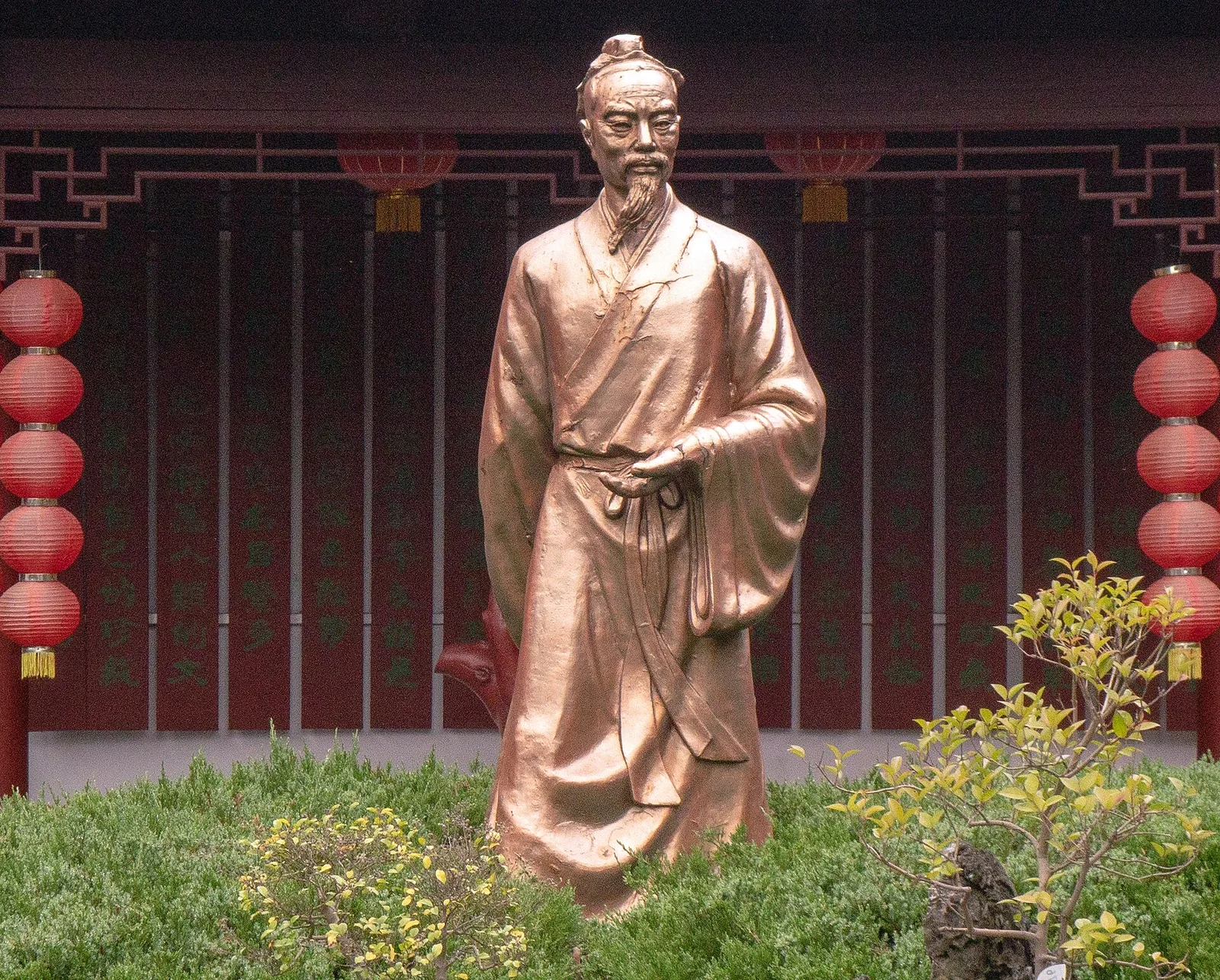
Photo: Wikimedia Commons · CC BY-SA 4.0

Thesis
The key words in “晏子婴相齐景公时食脱粟之饭炙三弋五卵茗菜而已” are not ornament. They mark where Tang tea names, vessels and provenance meet.
Text
“Yan Ying, when minister to Duke Jing of Qi, ate only husked-rice meals, with three roast game birds, five eggs, and tea-leaf vegetable.”
Context
记晏婴生活俭朴,吃的只是粗米饭、烤肉与茶菜。
Evidence
- Collation: "茗菜"各本一致,指以茶为菜;“炙三弋"有版本作"炙三戈”,"弋"指射得的野禽,今从通行本。
- Existing readings: 吴觉农指出:"茗菜"说明春秋时茶尚作菜蔬食用,与"茶之为饮"并行——茶从"吃"到"喝"的演进,在晏婴这里留下了珍贵的一笔。
Analysis
The annotation matters less as philology than as a distinction between name and thing. "茗菜"各本一致,指以茶为菜;“炙三弋"有版本作"炙三戈”,"弋"指射得的野禽,今从通行本。 Once names settle, picking, grading and trade can share a language.
Conclusion
The section does not give a universal rule. It demonstrates a method: read the text, the annotation and the Tang context together before making a modern claim.
Source: The Classic of Tea, Chapter VII · The History, section 3; the original is in the public domain.
Ask what period this person lived in.