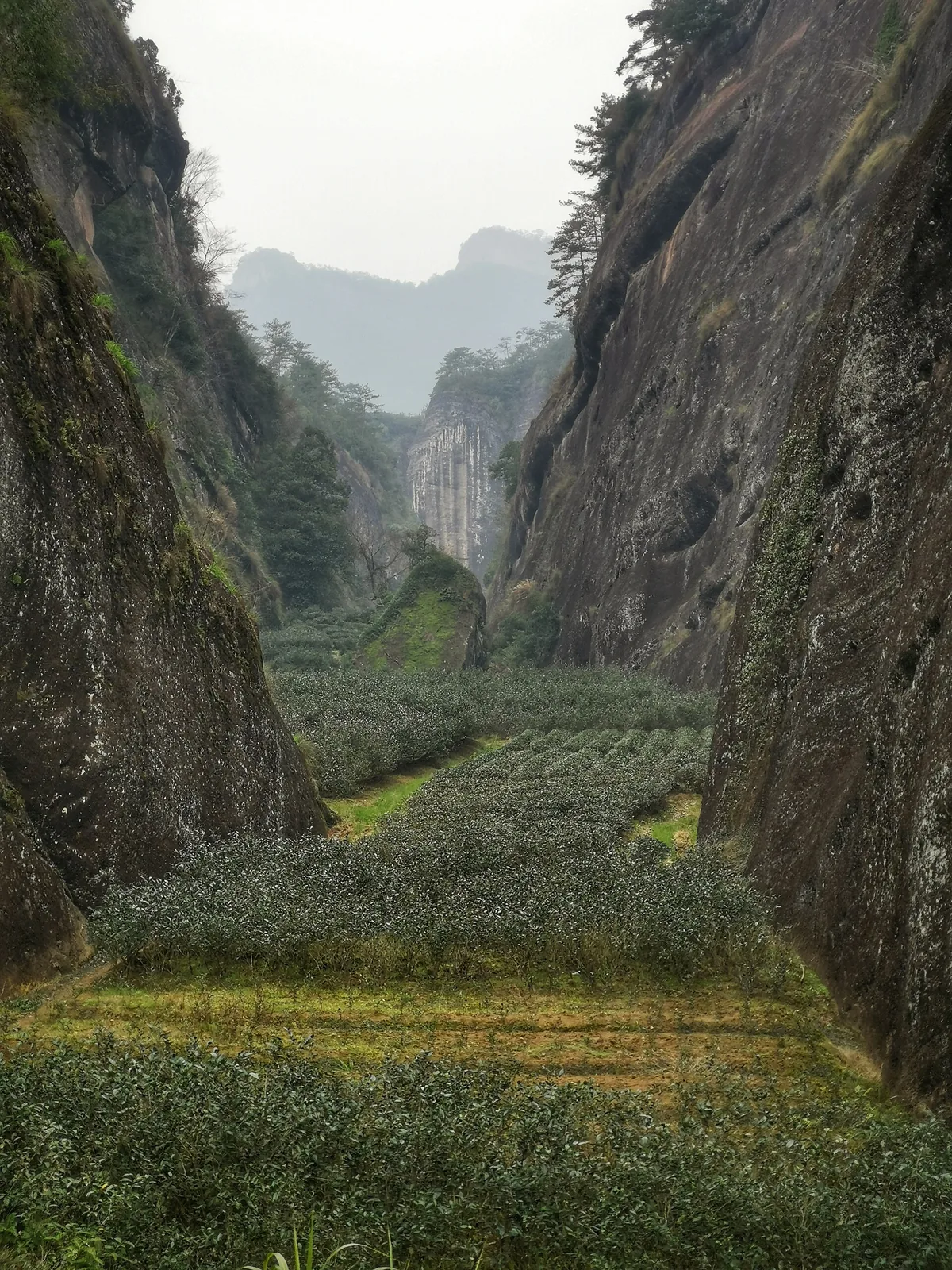
Photo: Wikimedia Commons · CC BY-SA 4.0

Thesis
The key words in “岭南生福州建州韶州象州往往得之其味极佳” are not ornament. They mark where Tang tea names, vessels and provenance meet.
Text
“In Lingnan, teas of Fuzhou, Jianzhou, Shaozhou, and Xiangzhou are occasionally obtained, and their flavor is excellent.”
Context
岭南道:今广东、广西一带。福州、建州、韶州、象州所产茶偶尔得到,味道极佳。
Evidence
- Collation: 此句与江南道所载之地名有重叠,各本如此,为《茶经》行文上的一种复述;吴觉农校注认为系唐代州郡隶属变动所致。
- Existing readings: 吴觉农指出岭南道即今两广,陆羽以"味极佳"点赞——今日英德红茶、凤凰单丛等岭南名茶,皆在这一片赞誉之地。
Analysis
The annotation matters less as philology than as a distinction between name and thing. 此句与江南道所载之地名有重叠,各本如此,为《茶经》行文上的一种复述;吴觉农校注认为系唐代州郡隶属变动所致。 Once names settle, picking, grading and trade can share a language.
Conclusion
The section does not give a universal rule. It demonstrates a method: read the text, the annotation and the Tang context together before making a modern claim.
Source: The Classic of Tea, Chapter VIII · The Producing Regions, section 8; the original is in the public domain.
Ask what period this person lived in.