Tea Classics

Regions · 2026-04-07 · Community rules

Chapter VIII · The Producing Regions · Section 6: Words and things — reading “黔中生恩州播州费州夷州往往得之其味极佳”

3 条回复

#1S
Song Archive · 2026-04-07 08:02

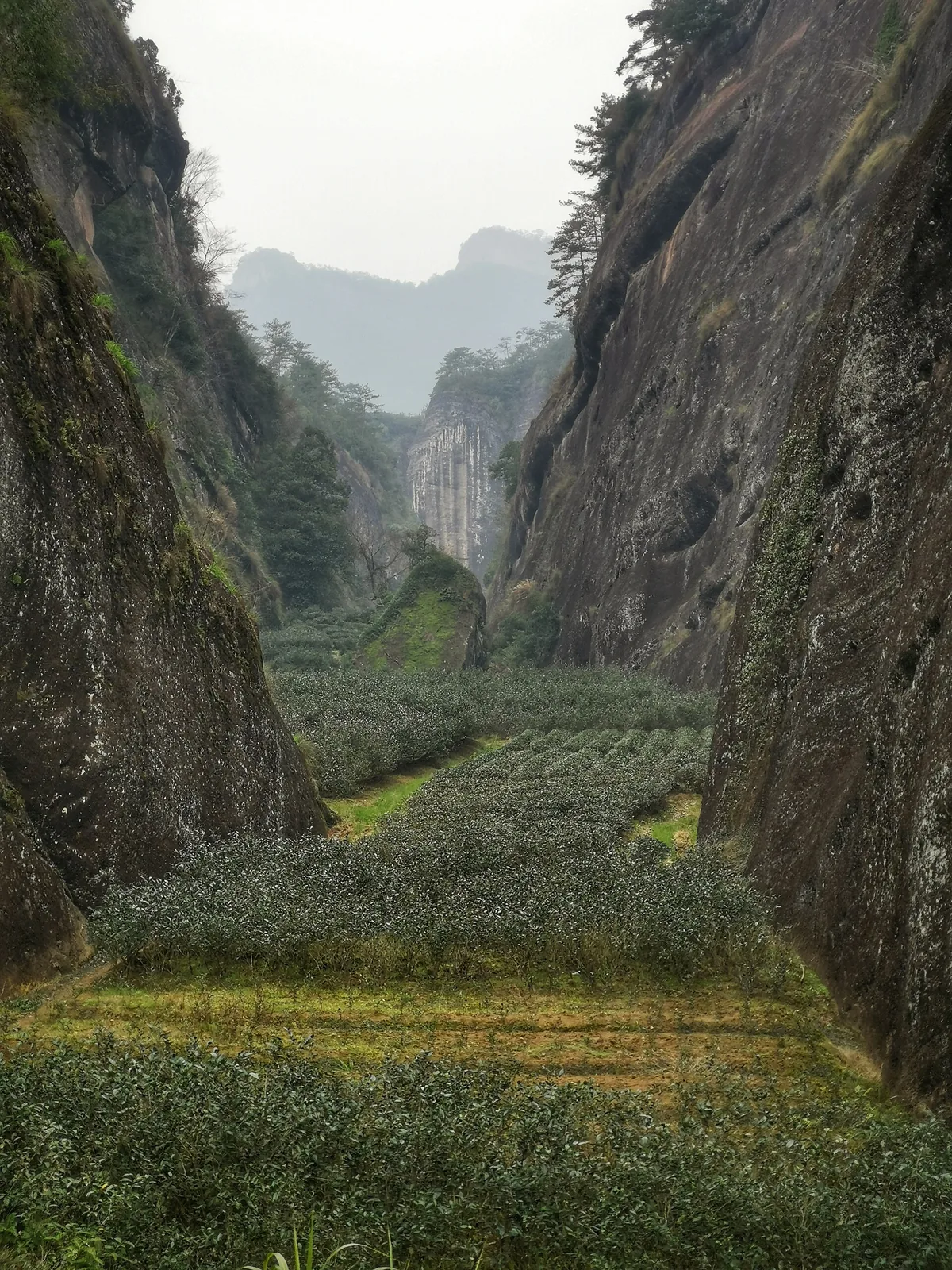
Photo: Wikimedia Commons · CC BY-SA 4.0

Thesis

The key words in “黔中生恩州播州费州夷州往往得之其味极佳” are not ornament. They mark where Tang tea names, vessels and provenance meet.

Text

“In Qianzhong, teas of Enzhou, Bozhou, Feizhou, and Yizhou are only occasionally obtained, yet their flavor is excellent.”

Context

黔中:今贵州一带。恩州、播州、费州、夷州:皆为唐代黔中道属州。往往得之:偶尔得到。

Evidence

  • Collation: 各本一致。吴觉农注:黔中即今贵州,"往往得之"说明唐代贵州茶尚未成规模,但陆羽已识其味佳。
  • Existing readings: 吴觉农指出陆羽一句"其味极佳"为贵州茶写下最早的赞语——千余年后,都匀毛尖等贵州名茶印证了这片土地出好茶的潜质。

Analysis

The annotation matters less as philology than as a distinction between name and thing. 各本一致。吴觉农注:黔中即今贵州,"往往得之"说明唐代贵州茶尚未成规模,但陆羽已识其味佳。 Once names settle, picking, grading and trade can share a language.

Conclusion

The section does not give a universal rule. It demonstrates a method: read the text, the annotation and the Tang context together before making a modern claim.


Source: The Classic of Tea, Chapter VIII · The Producing Regions, section 6; the original is in the public domain.

Ask what period this person lived in.

Quote
#2M
Marginalia · 2026-04-07 08:49

Modern tea science would split the sentence into cultivar, soil, light and plucking variables. 吴觉农指出陆羽一句"其味极佳"为贵州茶写下最早的赞语——千余年后,都匀毛尖等贵州名茶印证了这片土地出好茶的潜质。 The variables remain useful, but none of them alone explains the cup.

Get the character right before the taste.

Quote
#3A
A-Qing · 2026-04-07 09:36

Storage adds another variable: moisture and temperature. 各本一致。吴觉农注:黔中即今贵州,"往往得之"说明唐代贵州茶尚未成规模,但陆羽已识其味佳。 Old and young tea do not share one shelf life, so “the older the better” is not a rule.

Tea is grown and made, not just discussed.

Quote
#4V
Vessel Zhou · 2026-04-07 10:23

As a new reader, I first took “黔中生恩州播州费州夷州往往得之其味极佳” as a conclusion. Reading the annotation to section 6 again, it is clearly a judgment with conditions attached.

A vessel carries tea and its period.

Quote
1–4 of 4

Log in to reply