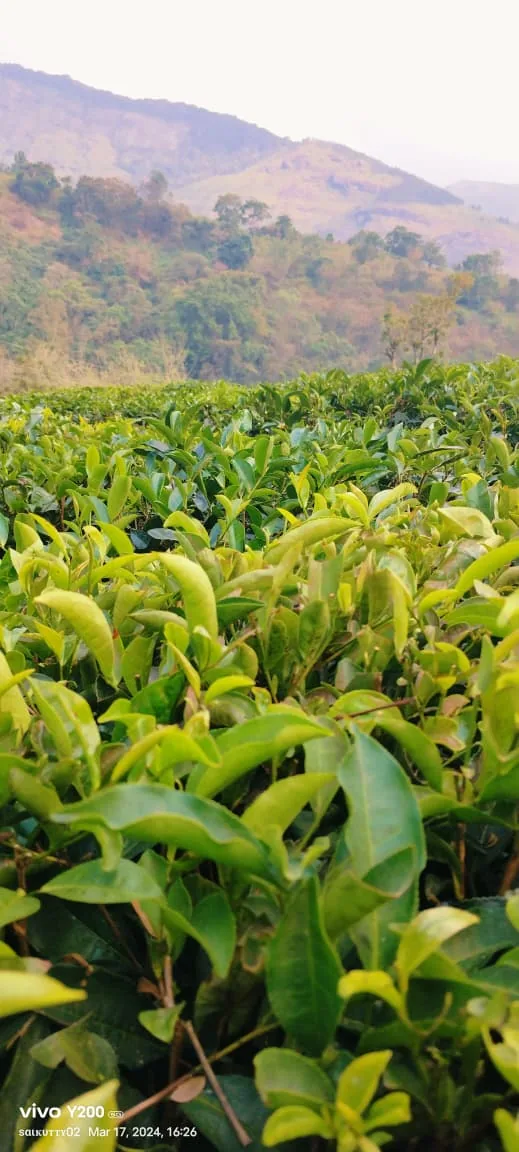
Photo: Wikimedia Commons · CC BY 4.0

Thesis
“设服荠苨使六疾不瘳知人参为累则茶累尽矣” only becomes legible inside Tang tribute tea, monastery tea and literati life.
Text
“If one takes qini in place of ginseng, none of the six ailments will be cured. Understand how ginseng may mislead, and the pitfalls of tea become clear.”
Context
荠苨(jì nǐ):桔梗科植物,形似人参而性味不同,误服无效。六疾:泛指各种疾病。瘳(chōu):痊愈。
Evidence
- Collation: "荠苨"各本一致,指形似人参而药性迥异的植物。吴觉农校注:此句收束全章,以"茶累尽矣"点明茶亦须辨真伪、得正法。
- Existing readings: 吴觉农评"知人参为累,则茶累尽矣"为全章结穴:辨茶如辨药,须识真伪、讲时地、重制法——此"知累而避"的态度,正是《茶经》教人科学饮茶的落脚处。
Analysis
The largest gap between Tang and now is that tea was simultaneously medicine, tribute and everyday practice. 吴觉农评"知人参为累,则茶累尽矣"为全章结穴:辨茶如辨药,须识真伪、讲时地、重制法——此"知累而避"的态度,正是《茶经》教人科学饮茶的落脚处。 Without that, the chapter collapses into botany.
Conclusion
The section does not give a universal rule. It demonstrates a method: read the text, the annotation and the Tang context together before making a modern claim.
Source: The Classic of Tea, Chapter I · The Origin, section 12; the original is in the public domain.
Ask what period this person lived in.