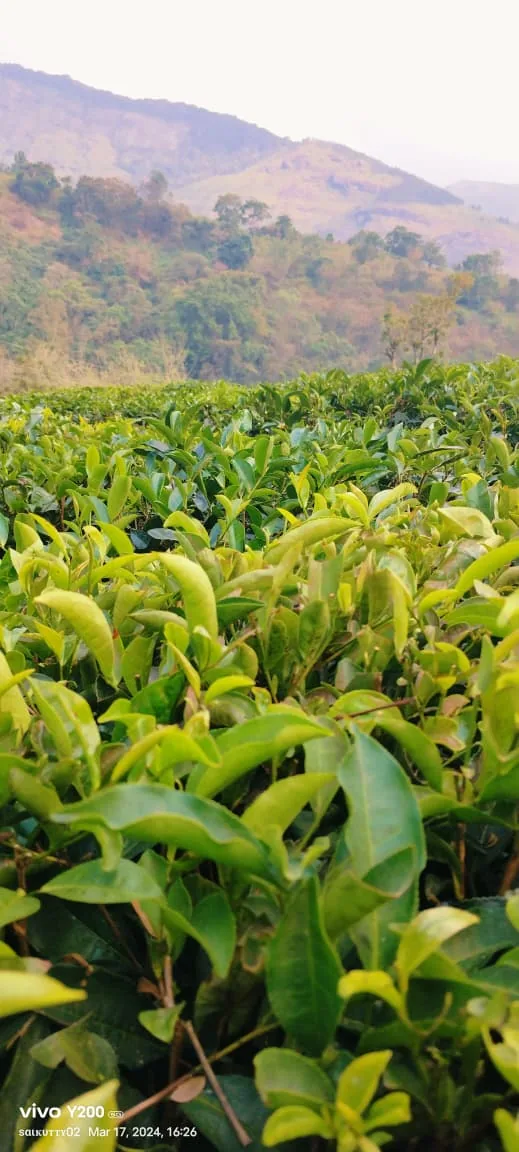
Photo: Wikimedia Commons · CC BY 4.0

Thesis
“上者生上党中者生百济新罗下者生高丽有生泽州易” only becomes legible inside Tang tribute tea, monastery tea and literati life.
Text
“The finest ginseng grows in Shangdang, middling in Baekje and Silla, and inferior in Goguryeo. That grown in Zezhou, Yizhou, Youzhou, and Tanzhou is useless as medicine — let alone from lesser places!”
Context
上党:今山西长治。百济、新罗:朝鲜半岛古国。高丽:高句丽。泽州、易州、幽州、檀州:今山西、河北一带。
Evidence
- Collation: 本句以人参产地喻茶产地之重要,各本一致。吴觉农据史地理出:唐代人参以潞州(上党)为上,与陆羽"地偏则劣"之说相印证。
- Existing readings: 吴觉农释此句为"产地对品质的决定论":陆羽借人参"生于地、效随土"来强调茶亦如此——同样的茶种,产地水土不同则优劣迥异,这正是"风土"思想(terroir)的先声。
Analysis
The largest gap between Tang and now is that tea was simultaneously medicine, tribute and everyday practice. 吴觉农释此句为"产地对品质的决定论":陆羽借人参"生于地、效随土"来强调茶亦如此——同样的茶种,产地水土不同则优劣迥异,这正是"风土"思想(terroir)的先声。 Without that, the chapter collapses into botany.
Conclusion
The section does not give a universal rule. It demonstrates a method: read the text, the annotation and the Tang context together before making a modern claim.
Source: The Classic of Tea, Chapter I · The Origin, section 11; the original is in the public domain.
Ask what period this person lived in.