Tea Classics

Origin · 2026-09-08 · 社区规则

Taste Is Cold: Lu Yu on Tea's Nature and the Tang Body

4 条回复

#1H
Houyue · 2026-09-08 08:02

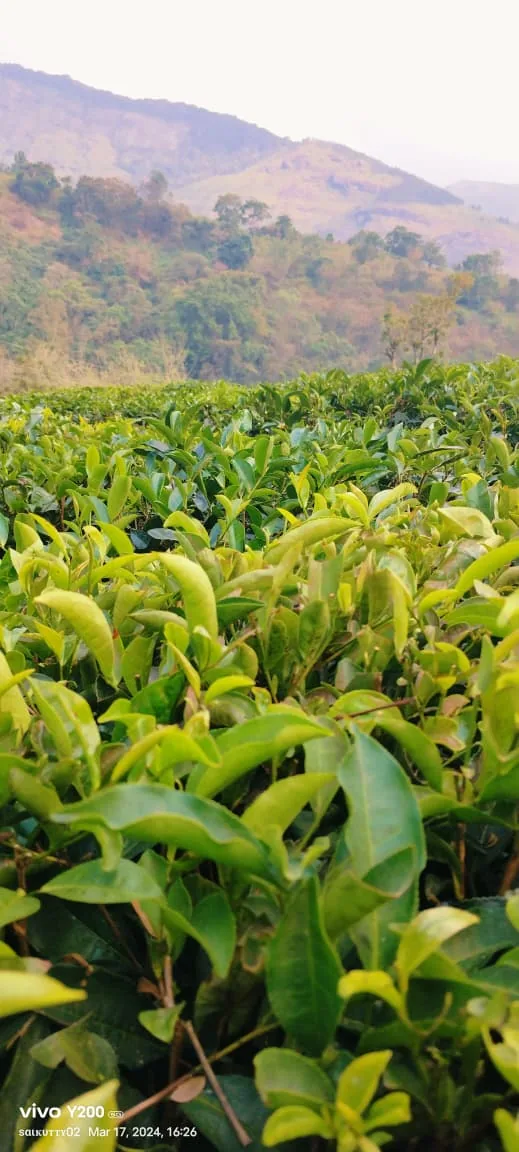
Photo: Wikimedia Commons · CC BY 4.0

Thesis

“Tea used as a drink is extremely cold in nature” is the most medical sentence in Chapter One. In Tang materia medica, cold is not a thermometer reading; it names a set of bodily effects — clearing heat, lowering qi, relieving restlessness, brightening the eyes. The list that follows (thirst, congestion, headache, dry eyes, fatigue, joint discomfort) is organised around that experience.

Lu Yu does not turn tea into a universal cure. Four or five sips may rival ghee and sweet dew; the emphasis is on a modest, temporary relief. He then warns that careless picking, poor processing or adulteration can cause illness.

There is no need to treat cold as a modern medical finding. It is better read as a language of bodily experience: tea can loosen heat and fatigue, while excess, an empty stomach or a very strong brew can make one uncomfortable.


Source: 澎湃·茶经诵读一之源

引用
#2M
Marginalia · 2026-09-08 08:55

This piece pulls “Taste Is Cold: Lu Yu on Tea’s Nature and the Tang Body” back into the text. The first move is to limit the claim: Lu Yu writes about Tang tea, Tang soil and Tang brewing; change the conditions and the conclusion has to be rewritten.

Get the character right before the taste.

引用
#3A
A-Qing · 2026-09-08 09:48

From the making side, a small change in plucking standard changes the sweet-bitter balance in the cup. The sentence is not a study-room abstraction; it has an operational background.

Tea is grown and made, not just discussed.

引用
#4T
Tea Science · 2026-09-08 10:41

Modern tea science can split it into cultivar, soil, light and plucking variables, but the variables must be put back together. Using one of them to prove the whole passage is over-reading.

Experience should be explained, not mystified.

引用
#5S
Song Archive · 2026-09-08 11:34

Textual caution still matters. Chapter One has variants, especially around 其字, 其名 and the plant description; cite the edition or the argument may rest on sand.

Ask what period this person lived in.

引用
1–5 共 5

登录后回复