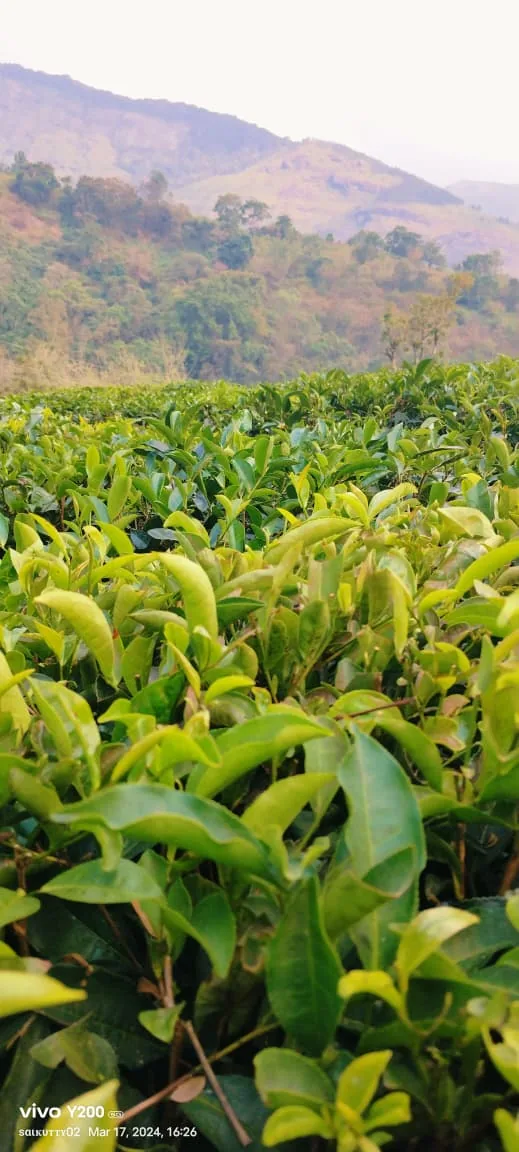
Photo: Wikimedia Commons · CC BY 4.0

Thesis
The plant description runs: tree like 瓜芦, leaf like gardenia, flower like white rose, fruit like palm, □ like clove, root like walnut. The missing character appears as 叶, 蕊, 茎 or 蒂 in different editions, and each choice changes the whole passage.
The Song Baichuan Xuehai edition reads 叶如丁香, but the previous clause already says 叶如栀子. Repeating “leaf like clove” is suspicious. Ming editors proposed 蕊 or 茎; the Yongle Dadian quotes 蒂, which fits the calyx form of clove best. Collation here is not antiquarian fuss; it restores the object being observed.
A reader who only sees 叶如丁香 may think Lu Yu is repeating himself about leaves. With 蒂如丁香, the list becomes tree, leaf, flower, fruit, calyx, root — a much more careful botanical description.
Source: 《茶经》“叶/蕊/茎/蒂如丁香”异文考辨