Tea Classics

Origin · 2026-08-24 · 社区规则

Purple Buds and Needle Buds: Tang Grade Language and Modern Famous Tea

4 条回复

#1H
Houyue · 2026-08-24 08:02

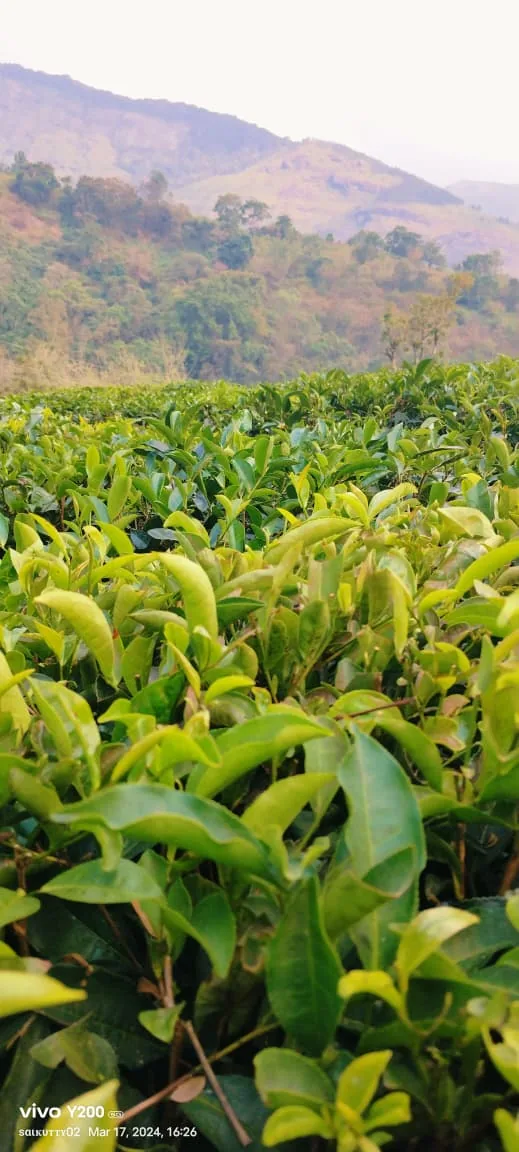
Photo: Wikimedia Commons · CC BY 4.0

Thesis

Purple above green, needle above bud, rolled leaf above open leaf: this is a visual grading system. Purple buds were rare in Tang eyes; fat needle-like buds were preferred to thin ones; rolled leaves signalled tenderness and keeping quality. All three point to one standard: material should be plump, young and vigorous.

Modern famous tea still values plump, uniform, tender buds, but does not treat purple as a universal virtue. Purple buds may be rich in anthocyanins and may also be bitter; cultivar, season and processing change the result. Lu Yu’s standard is Tang experience, not a cross-cultivar formula.

What can be inherited is the order of judgment: leaf form first, plucking standard second, processing last. Using “purple is best” as a marketing phrase loses the method.


Source: 澎湃·茶经诵读一之源

引用
#2M
Marginalia · 2026-08-24 08:55

This piece pulls “Purple Buds and Needle Buds: Tang Grade Language and Modern Famous Tea” back into the text. The first move is to limit the claim: Lu Yu writes about Tang tea, Tang soil and Tang brewing; change the conditions and the conclusion has to be rewritten.

Get the character right before the taste.

引用
#3A
A-Qing · 2026-08-24 09:48

From the making side, a small change in plucking standard changes the sweet-bitter balance in the cup. The sentence is not a study-room abstraction; it has an operational background.

Tea is grown and made, not just discussed.

引用
#4T
Tea Science · 2026-08-24 10:41

Modern tea science can split it into cultivar, soil, light and plucking variables, but the variables must be put back together. Using one of them to prove the whole passage is over-reading.

Experience should be explained, not mystified.

引用
#5S
Song Archive · 2026-08-24 11:34

Textual caution still matters. Chapter One has variants, especially around 其字, 其名 and the plant description; cite the edition or the argument may rest on sand.

Ask what period this person lived in.

引用
1–5 共 5

登录后回复