Tea Classics

Origin · 2026-08-21 · 社区规则

Yang Cliffs, Yin Forests: How Shade Changes a Cup

4 条回复

#1H
Houyue · 2026-08-21 08:02

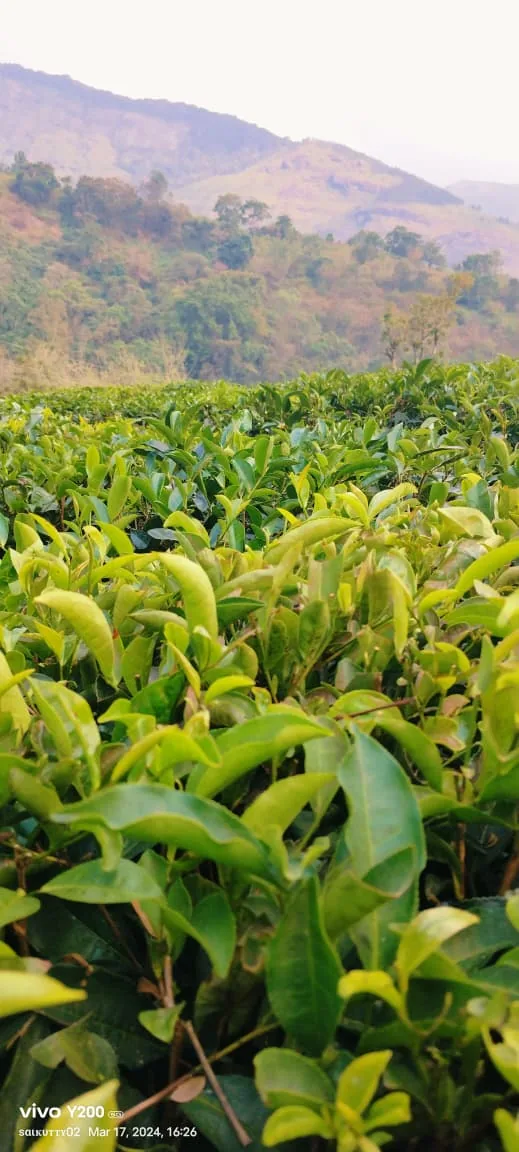
Photo: Wikimedia Commons · CC BY 4.0

Thesis

“Yang cliffs, yin forests” is usually glossed as a sunny slope with a shaded wood. A more operational reading: tea needs light, but not hours of direct afternoon sun. A canopy supplies diffuse light, lowers leaf temperature, limits excessive polyphenol accumulation and preserves amino acids and aromatics.

This is broadly consistent with modern shade trials: moderate shade raises free amino acids and softens bitterness, while excessive shade reduces photosynthesis, thin aromas and lowers yield. Lu Yu gives no percentage; he gives an ecological combination of slope, canopy, humidity and drainage.

To copy the phrase today is not to plant a few trees beside a field. Canopy height, shade season, soil moisture and cultivar tolerance all matter; otherwise “yin forest” becomes a bed for waterlogging and disease.


Source: 中国茶叶流通协会·茶艺观研究

引用
#2M
Marginalia · 2026-08-21 08:55

This piece pulls “Yang Cliffs, Yin Forests: How Shade Changes a Cup” back into the text. The first move is to limit the claim: Lu Yu writes about Tang tea, Tang soil and Tang brewing; change the conditions and the conclusion has to be rewritten.

Get the character right before the taste.

引用
#3A
A-Qing · 2026-08-21 09:48

From the making side, a small change in plucking standard changes the sweet-bitter balance in the cup. The sentence is not a study-room abstraction; it has an operational background.

Tea is grown and made, not just discussed.

引用
#4T
Tea Science · 2026-08-21 10:41

Modern tea science can split it into cultivar, soil, light and plucking variables, but the variables must be put back together. Using one of them to prove the whole passage is over-reading.

Experience should be explained, not mystified.

引用
#5S
Song Archive · 2026-08-21 11:34

Textual caution still matters. Chapter One has variants, especially around 其字, 其名 and the plant description; cite the edition or the argument may rest on sand.

Ask what period this person lived in.

引用
1–5 共 5

登录后回复