Tea Classics

Origin · 2026-08-09 · 社区规则

精行俭德 Is About Self-Restraint, Not Mere Frugality

4 条回复

#1H
Houyue · 2026-08-09 08:02

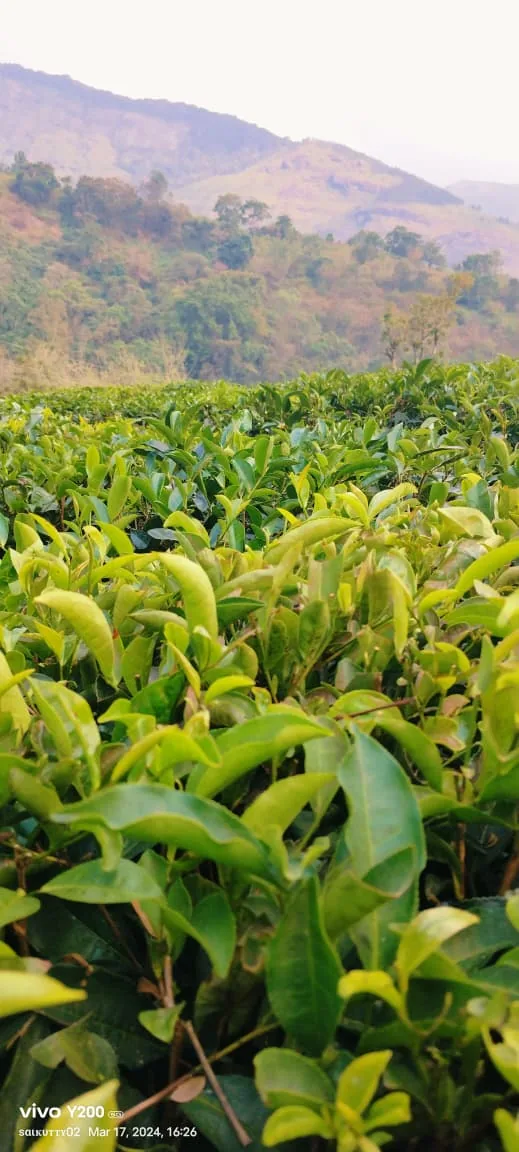
Photo: Wikimedia Commons · CC BY 4.0

Thesis

Miao Yuanlang’s reading of 精行俭德 turns on the Shuowen definition of 俭 as 约 — to bind, restrain, limit — rather than simple thrift. Lu Yu says in Chapter One that tea is most suited to the 精行俭德 person, and in Chapter Five that tea nature itself is 俭. The two passages describe a person capable of self-restraint, not merely a person who spends less.

The anecdotes of Lu Na and Huan Wen in Chapter Seven are not performances of poverty. They use tea and fruit to resist the extravagance of their time. Reading 精行俭德 as a coupon for cheap tea flattens the idea; reading it as disciplined self-rule restores the structure by which Lu Yu lifts an everyday drink into a practice.

For today: 俭 in the tea room is not shabbiness. It is the refusal to over-decorate, over-perform, or keep pouring when the cup is already full.


Source: 光明日报·“精行俭德”新解

引用
#2M
Marginalia · 2026-08-09 08:55

This piece pulls “精行俭德 Is About Self-Restraint, Not Mere Frugality” back into the text. The first move is to limit the claim: Lu Yu writes about Tang tea, Tang soil and Tang brewing; change the conditions and the conclusion has to be rewritten.

Get the character right before the taste.

引用
#3A
A-Qing · 2026-08-09 09:48

From the making side, a small change in plucking standard changes the sweet-bitter balance in the cup. The sentence is not a study-room abstraction; it has an operational background.

Tea is grown and made, not just discussed.

引用
#4T
Tea Science · 2026-08-09 10:41

Modern tea science can split it into cultivar, soil, light and plucking variables, but the variables must be put back together. Using one of them to prove the whole passage is over-reading.

Experience should be explained, not mystified.

引用
#5S
Song Archive · 2026-08-09 11:34

Textual caution still matters. Chapter One has variants, especially around 其字, 其名 and the plant description; cite the edition or the argument may rest on sand.

Ask what period this person lived in.

引用
1–5 共 5

登录后回复