Tea Classics

Brewing · 2025-12-18 · 社区规则

Chapter V · The Brewing · Section 8: A common misreading — reading “茶性俭不宜广广则其味黯澹”

3 条回复

#1N
New Reader · 2025-12-18 08:02

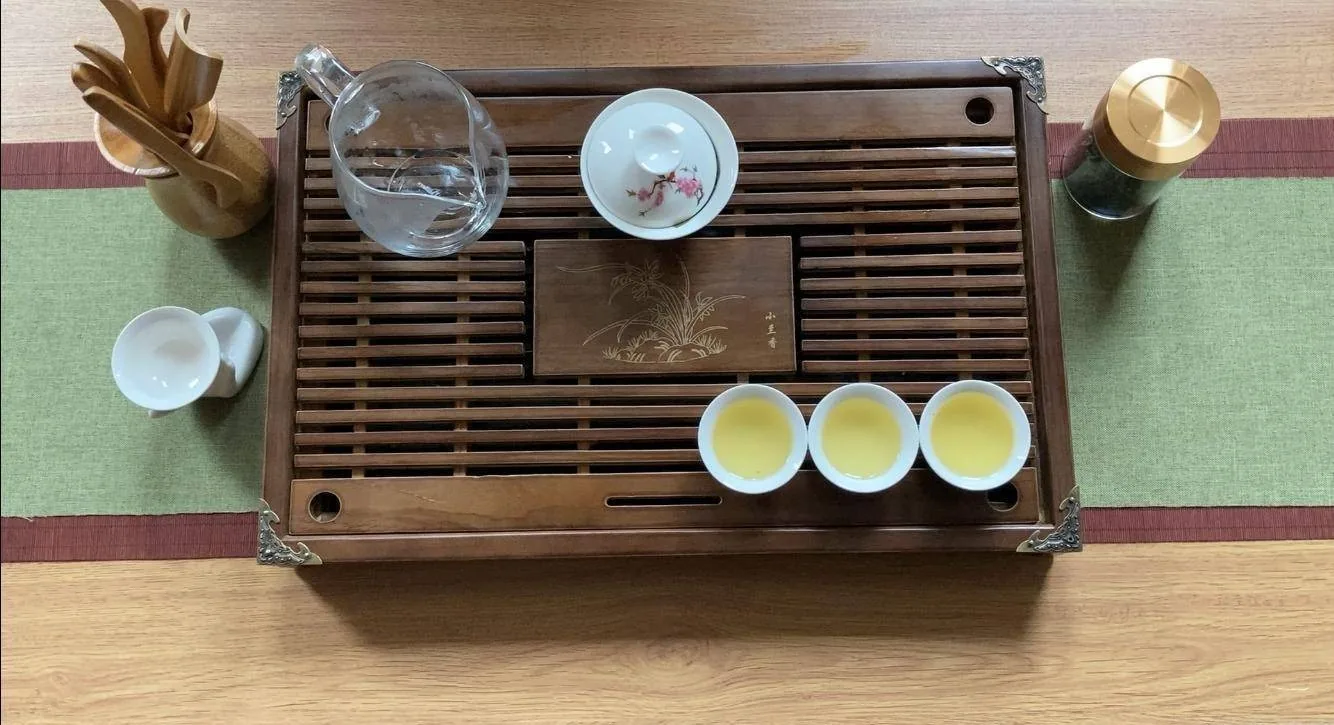
Photo: Wikimedia Commons · CC BY-SA 4.0

Thesis

The common mistake is to lift “茶性俭不宜广广则其味黯澹” out of its sentence and turn it into an absolute rule.

Text

“Tea is frugal by nature; it should not be used too lavishly, for overuse dims its flavor.”

Context

俭:少、收敛。不宜广:不宜投茶过多。黯澹:暗淡无味。

Evidence

  • Collation: 各本一致。"茶性俭"为《茶经》名句,与"精行俭德"精神呼应。
  • Existing readings: 吴觉农评"茶性俭"为全书点睛:茶性内敛,贵在恰到好处,多则失味、滥则失格——这既是冲泡之道,也是"俭以养德"的人生哲学。

Analysis

The usual misreading extracts “茶性俭不宜广广则其味黯澹” as a slogan. 各本一致。"茶性俭"为《茶经》名句,与"精行俭德"精神呼应。 In fact every judgment in the chapter carries a limit of place, season and use.

Conclusion

The section does not give a universal rule. It demonstrates a method: read the text, the annotation and the Tang context together before making a modern claim.


Source: The Classic of Tea, Chapter V · The Brewing, section 8; the original is in the public domain.

When lost, brew a cup first.

引用
#2M
Marginalia · 2025-12-18 08:49

A maker reads “茶性俭不宜广广则其味黯澹” through weather and soil first. 俭:少、收敛。不宜广:不宜投茶过多。黯澹:暗淡无味。 That is not far from how we judge a mountain and a picking window today.

Get the character right before the taste.

引用
#3A
A-Qing · 2025-12-18 09:36

The vessel is not background. 俭:少、收敛。不宜广:不宜投茶过多。黯澹:暗淡无味。 The same leaf in a different bowl, grinder or sieve changes aroma and texture; vessel and tea are defined together.

Tea is grown and made, not just discussed.

引用
#4V
Vessel Zhou · 2025-12-18 10:23

Water and fire magnify the difference. The same leaf at a higher temperature or a longer steep changes the sweet-bitter balance; the text only becomes operational at the brewing stage.

A vessel carries tea and its period.

引用
1–4 共 4

登录后回复