Tea Classics

Brewing · 2025-11-28 · 社区规则

Chapter V · The Brewing · Section 3: Textual layers — reading “已上水老不可食也”

3 条回复

#1M
Marginalia · 2025-11-28 08:02

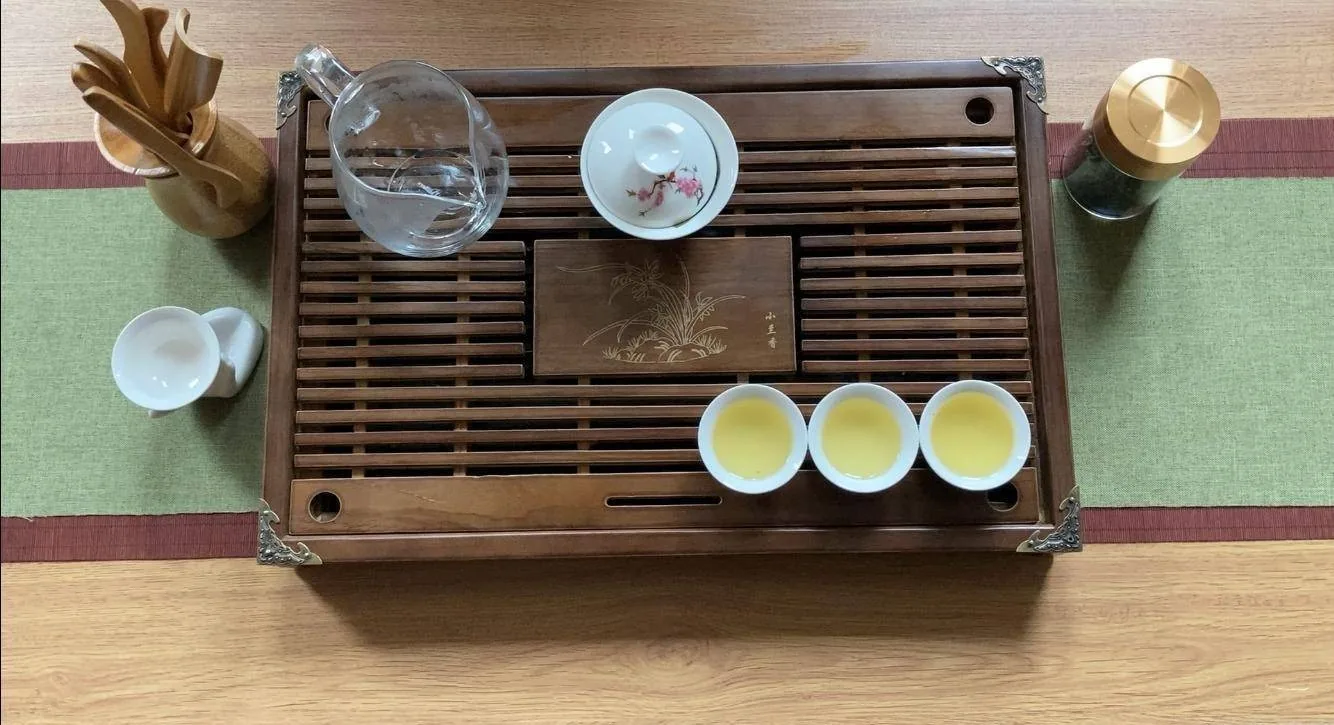
Photo: Wikimedia Commons · CC BY-SA 4.0

Thesis

Section 3 is not really about “已上水老不可食也”; it is about how Lu Yu turns tea from a local product into an object of argument.

Text

“Beyond this, the water is old and cannot be drunk.”

Context

超过三沸水就"老"了,不宜饮用——这是古人对火候的精准把握。

Evidence

  • Collation: 本句紧承三沸,各本一致,无版本差异。
  • Existing readings: 吴觉农指出"水老"即水中溶氧散尽、钙镁离子浓缩,茶味发涩——现代科学印证了陆羽"水老不可食"的判断。

Analysis

Formally, the section gives a judgment, adds material detail, then returns to human practice. 超过三沸水就"老"了,不宜饮用——这是古人对火候的精准把握。 That is why the Classic of Tea reads as an argued book rather than a miscellany.

Conclusion

The section does not give a universal rule. It demonstrates a method: read the text, the annotation and the Tang context together before making a modern claim.


Source: The Classic of Tea, Chapter V · The Brewing, section 3; the original is in the public domain.

Get the character right before the taste.

引用
#2A
A-Qing · 2025-11-28 08:49

The vessel is not background. 超过三沸水就"老"了,不宜饮用——这是古人对火候的精准把握。 The same leaf in a different bowl, grinder or sieve changes aroma and texture; vessel and tea are defined together.

Tea is grown and made, not just discussed.

引用
#3V
Vessel Zhou · 2025-11-28 09:36

Water and fire magnify the difference. The same leaf at a higher temperature or a longer steep changes the sweet-bitter balance; the text only becomes operational at the brewing stage.

A vessel carries tea and its period.

引用
#4W
Water Notes · 2025-11-28 10:23

In Tang context, 吴觉农指出"水老"即水中溶氧散尽、钙镁离子浓缩,茶味发涩——现代科学印证了陆羽"水老不可食"的判断。. Tea was tribute, medicine and monastery drink at once, not a standalone commodity; the conclusion cannot be transferred without that context.

Half a cup is water.

引用
1–4 共 4

登录后回复