Photo: Wikimedia Commons · CC0

Thesis
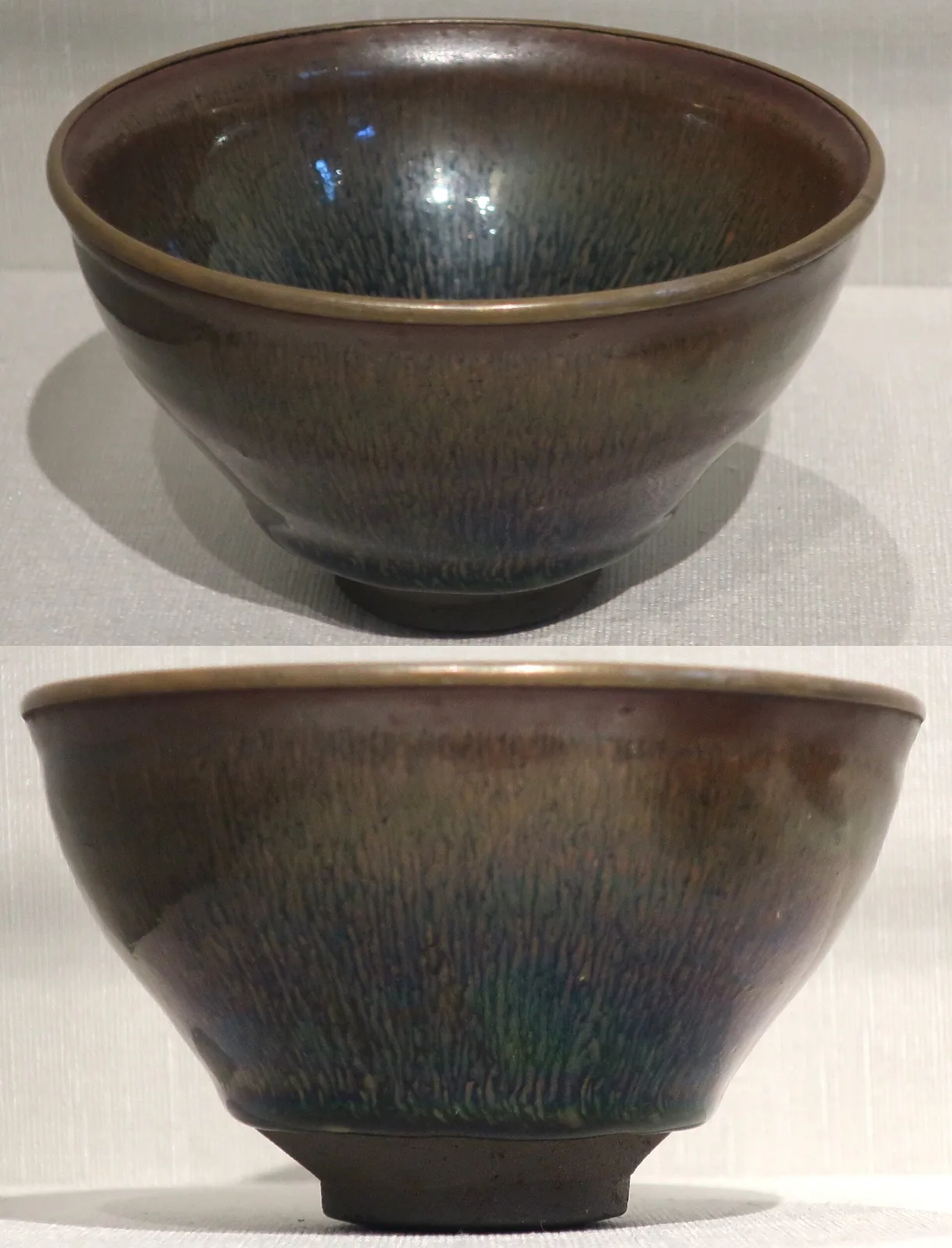
The key words in “碗越州上鼎州次婺州次岳州上寿州洪州次” are not ornament. They mark where Tang tea names, vessels and provenance meet.
Text
“For tea bowls, those of Yuezhou are best, Dingzhou and Wuzhou next; of the Yuezhou type, Yue is finest, then Shouzhou and Hongzhou.”
Context
唐代评瓷碗,越窑青瓷为上。陆羽推"越窑类玉、类冰"。
Evidence
- Collation: 本句版本差异较大:四库本作"碗,越州上,鼎州次,婺州次;岳州上,寿州次,洪州次",与百川学海本略异;"越州上"之断句历代有争,今从通行本。
- Existing readings: 吴觉农释此句:陆羽以"类玉类冰"推崇越窑青瓷,因其釉色青绿,与茶汤相衬更显清澈;其"青瓷胜白瓷"之论,与唐代以"青"为尚的审美一致。
Analysis
The annotation matters less as philology than as a distinction between name and thing. 本句版本差异较大:四库本作"碗,越州上,鼎州次,婺州次;岳州上,寿州次,洪州次",与百川学海本略异;"越州上"之断句历代有争,今从通行本。 Once names settle, picking, grading and trade can share a language.
Conclusion
The section does not give a universal rule. It demonstrates a method: read the text, the annotation and the Tang context together before making a modern claim.
Source: The Classic of Tea, Chapter IV · The Vessels, section 3; the original is in the public domain.
Ask what period this person lived in.