Tea Classics

Making · 2025-09-28 · 社区规则

Chapter III · The Making · Section 9: Words and things — reading “茶之否臧存于口决”

3 条回复

#1S
Song Archive · 2025-09-28 08:02

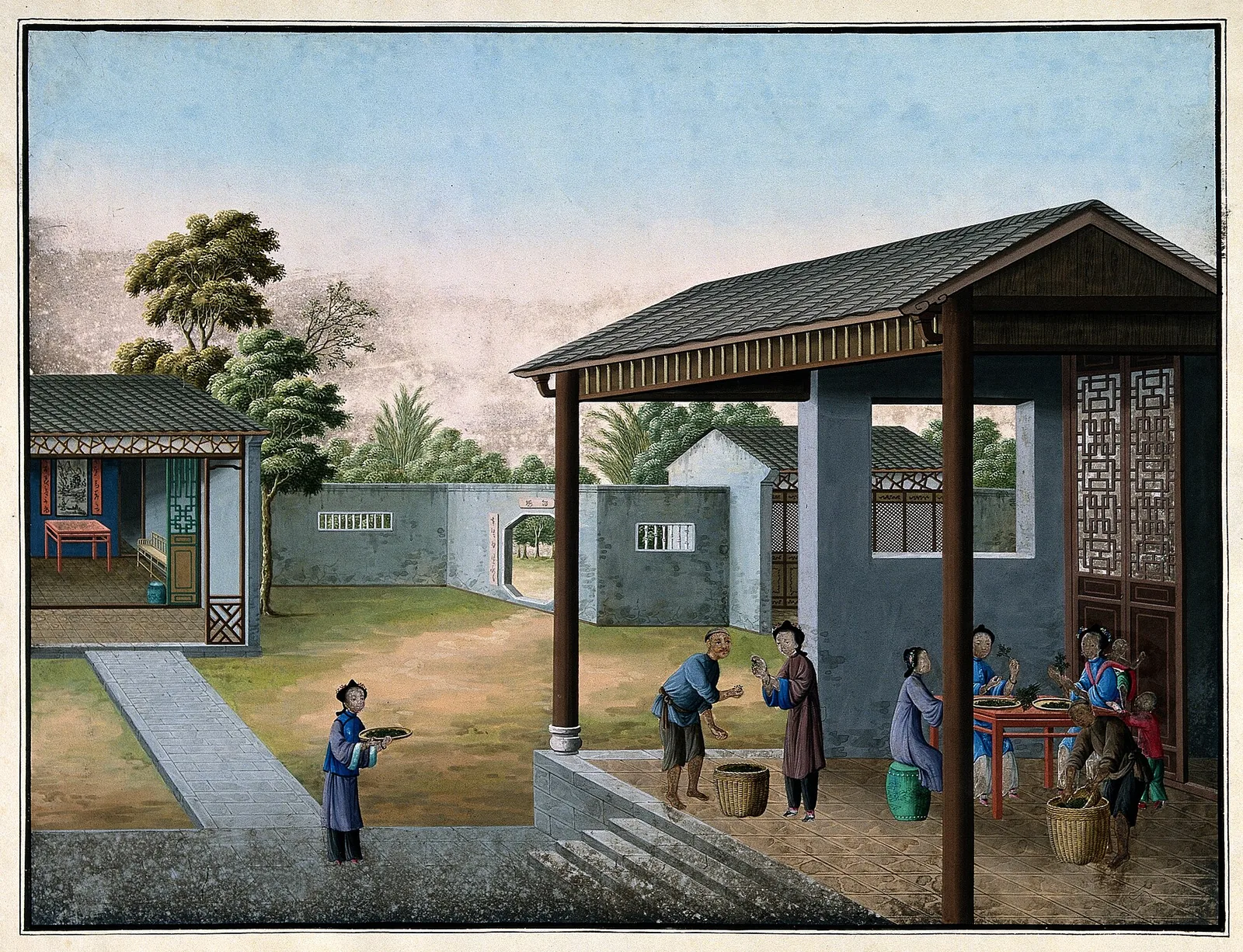
Photo: Wikimedia Commons · CC BY 4.0

Thesis

The key words in “茶之否臧存于口决” are not ornament. They mark where Tang tea names, vessels and provenance meet.

Text

“The good and ill of tea rest in the transmitted oral formula.”

Context

否臧(pǐ zāng):好坏、优劣。口决:口口相传的诀窍。

Evidence

  • Collation: "否臧"各本一致,意为善恶、优劣。吴觉农注:此句为三之造收束,言鉴茶之妙存乎口诀、非文字可尽。
  • Existing readings: 吴觉农指出:陆羽写尽工艺却以"口决"收束,正说明茶艺之精微难以言传,需师徒相授——这份"知止"的谦逊,恰是茶道精神的体现。

Analysis

The annotation matters less as philology than as a distinction between name and thing. "否臧"各本一致,意为善恶、优劣。吴觉农注:此句为三之造收束,言鉴茶之妙存乎口诀、非文字可尽。 Once names settle, picking, grading and trade can share a language.

Conclusion

The section does not give a universal rule. It demonstrates a method: read the text, the annotation and the Tang context together before making a modern claim.


Source: The Classic of Tea, Chapter III · The Making, section 9; the original is in the public domain.

Ask what period this person lived in.

引用
#2M
Marginalia · 2025-09-28 08:49

Textually, "否臧"各本一致,意为善恶、优劣。吴觉农注:此句为三之造收束,言鉴茶之妙存乎口诀、非文字可尽。. The point is that “the original” is not a single stable text; name the edition before making a strong claim.

Get the character right before the taste.

引用
#3A
A-Qing · 2025-09-28 09:36

A maker reads “茶之否臧存于口决” through weather and soil first. 否臧(pǐ zāng):好坏、优劣。口决:口口相传的诀窍。 That is not far from how we judge a mountain and a picking window today.

Tea is grown and made, not just discussed.

引用
#4V
Vessel Zhou · 2025-09-28 10:23

The vessel is not background. 否臧(pǐ zāng):好坏、优劣。口决:口口相传的诀窍。 The same leaf in a different bowl, grinder or sieve changes aroma and texture; vessel and tea are defined together.

A vessel carries tea and its period.

引用
1–4 共 4

登录后回复