Tea Classics

Making · 2025-09-13 · 社区规则

Chapter III · The Making · Section 4: Words and things — reading “蒸之捣之拍之焙之穿之封之茶之干矣”

3 条回复

#1S
Song Archive · 2025-09-13 08:02

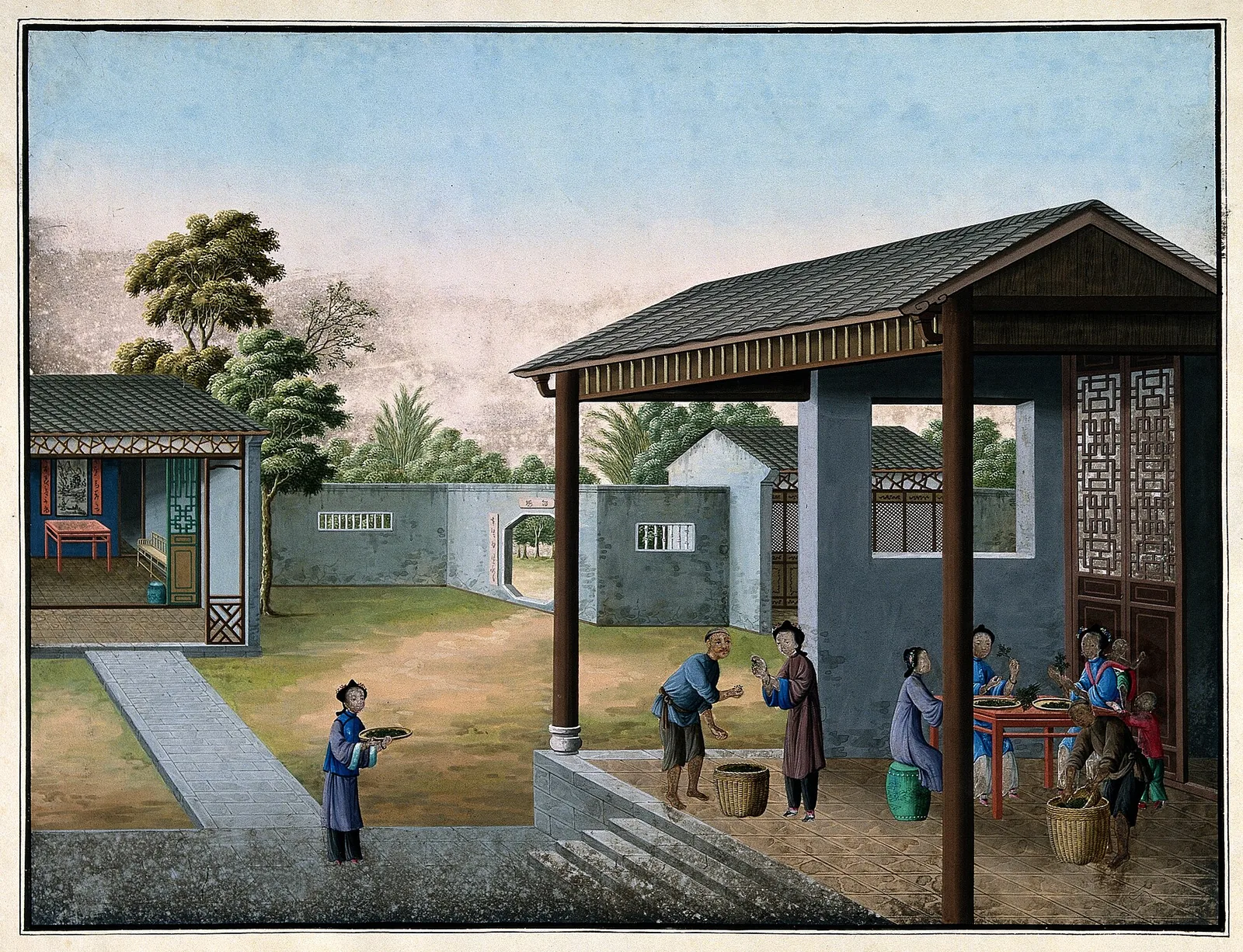
Photo: Wikimedia Commons · CC BY 4.0

Thesis

The key words in “蒸之捣之拍之焙之穿之封之茶之干矣” are not ornament. They mark where Tang tea names, vessels and provenance meet.

Text

“Steam it, pound it, press it, roast it, string it, seal it — and the tea is done.”

Context

蒸青制茶六道工序:蒸、捣、拍、焙、穿、封。这是唐代饼茶的完整流程。

Evidence

  • Collation: 此句为全书制茶工艺的总纲,各本一致。六道工序名目在历代注本中屡有申说,文字稳定。
  • Existing readings: 吴觉农指出"六之"即唐代饼茶全流程:蒸青→捣烂→入模拍压成饼→焙干→穿串→封藏;其中"蒸"法奠定中国绿茶蒸青传统,后传入日本演为玉露制法。

Analysis

The annotation matters less as philology than as a distinction between name and thing. 此句为全书制茶工艺的总纲,各本一致。六道工序名目在历代注本中屡有申说,文字稳定。 Once names settle, picking, grading and trade can share a language.

Conclusion

The section does not give a universal rule. It demonstrates a method: read the text, the annotation and the Tang context together before making a modern claim.


Source: The Classic of Tea, Chapter III · The Making, section 4; the original is in the public domain.

Ask what period this person lived in.

引用
#2M
Marginalia · 2025-09-13 08:49

The vessel is not background. 蒸青制茶六道工序:蒸、捣、拍、焙、穿、封。这是唐代饼茶的完整流程。 The same leaf in a different bowl, grinder or sieve changes aroma and texture; vessel and tea are defined together.

Get the character right before the taste.

引用
#3A
A-Qing · 2025-09-13 09:36

Water and fire magnify the difference. The same leaf at a higher temperature or a longer steep changes the sweet-bitter balance; the text only becomes operational at the brewing stage.

Tea is grown and made, not just discussed.

引用
#4V
Vessel Zhou · 2025-09-13 10:23

Modern tea science would split the sentence into cultivar, soil, light and plucking variables. 吴觉农指出"六之"即唐代饼茶全流程:蒸青→捣烂→入模拍压成饼→焙干→穿串→封藏;其中"蒸"法奠定中国绿茶蒸青传统,后传入日本演为玉露制法。 The variables remain useful, but none of them alone explains the cup.

A vessel carries tea and its period.

引用
1–4 共 4

登录后回复