Tea Classics

History · 2026-02-23 · 社区规则

Chapter VII · The History · Section 5: Words and things — reading “晋惠帝蒙尘还洛阳黄门以瓦盂盛茶上至尊”

3 条回复

#1S
Song Archive · 2026-02-23 08:02

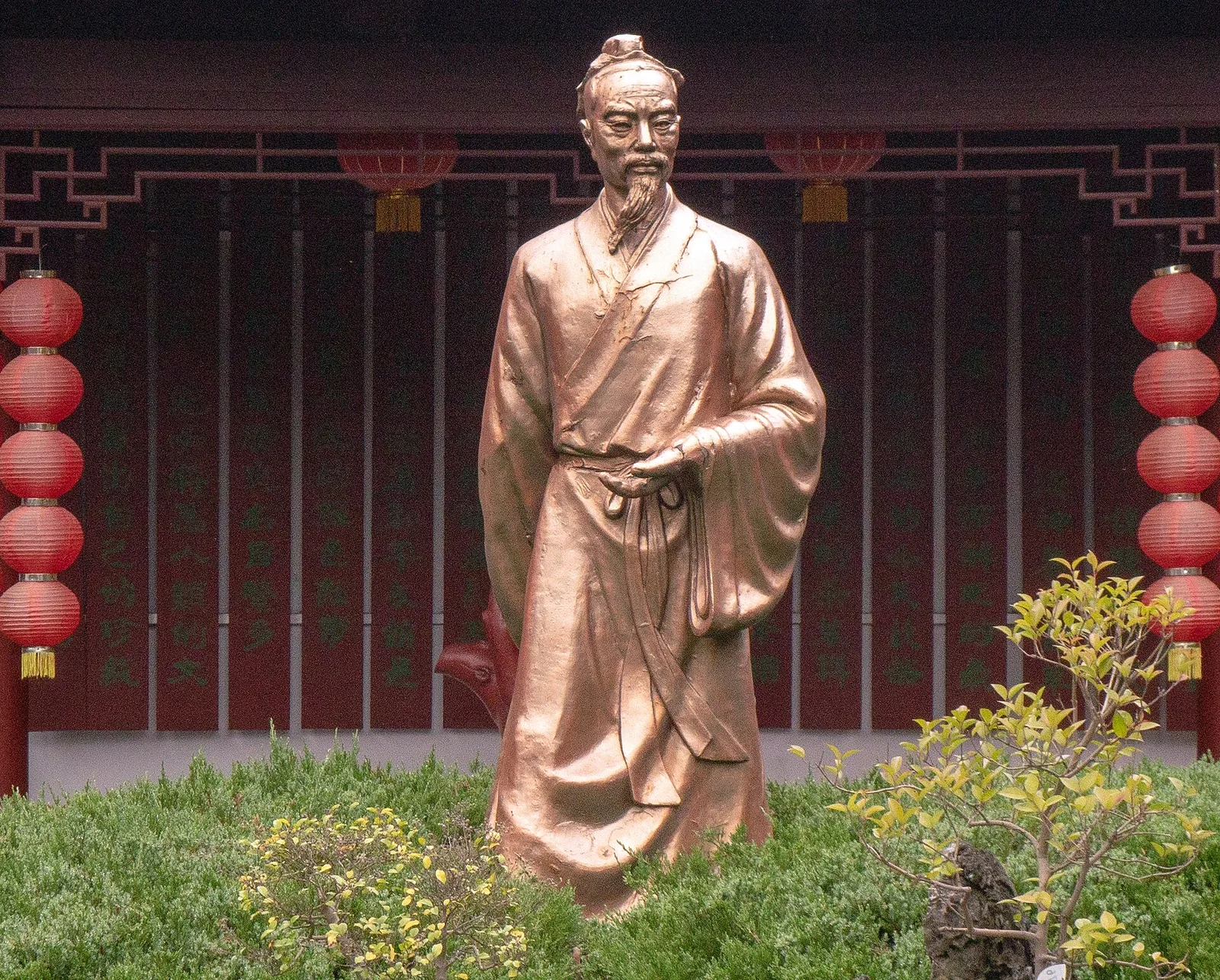
Photo: Wikimedia Commons · CC BY-SA 4.0

Thesis

The key words in “晋惠帝蒙尘还洛阳黄门以瓦盂盛茶上至尊” are not ornament. They mark where Tang tea names, vessels and provenance meet.

Text

“When Emperor Hui of Jin, fleeing in the dust, returned to Luoyang, the eunuch presented tea in an earthen bowl to the Son of Heaven.”

Context

晋惠帝:司马衷,西晋皇帝。蒙尘:天子流亡。黄门:宦官。瓦盂:瓦碗。至尊:皇帝。

Evidence

  • Collation: 各本一致。此典记晋惠帝蒙尘时以茶为饮,为宫廷饮茶最早记载之一。
  • Existing readings: 吴觉农指出此条证明西晋宫廷已有以茶待上的惯例;"瓦盂盛茶"也说明当时茶具尚朴,未及唐宋之精。

Analysis

The annotation matters less as philology than as a distinction between name and thing. 各本一致。此典记晋惠帝蒙尘时以茶为饮,为宫廷饮茶最早记载之一。 Once names settle, picking, grading and trade can share a language.

Conclusion

The section does not give a universal rule. It demonstrates a method: read the text, the annotation and the Tang context together before making a modern claim.


Source: The Classic of Tea, Chapter VII · The History, section 5; the original is in the public domain.

Ask what period this person lived in.

引用
#2M
Marginalia · 2026-02-23 08:49

Water and fire magnify the difference. The same leaf at a higher temperature or a longer steep changes the sweet-bitter balance; the text only becomes operational at the brewing stage.

Get the character right before the taste.

引用
#3A
A-Qing · 2026-02-23 09:36

Modern tea science would split the sentence into cultivar, soil, light and plucking variables. 吴觉农指出此条证明西晋宫廷已有以茶待上的惯例;"瓦盂盛茶"也说明当时茶具尚朴,未及唐宋之精。 The variables remain useful, but none of them alone explains the cup.

Tea is grown and made, not just discussed.

引用
#4V
Vessel Zhou · 2026-02-23 10:23

Storage adds another variable: moisture and temperature. 各本一致。此典记晋惠帝蒙尘时以茶为饮,为宫廷饮茶最早记载之一。 Old and young tea do not share one shelf life, so “the older the better” is not a rule.

A vessel carries tea and its period.

引用
1–4 共 4

登录后回复