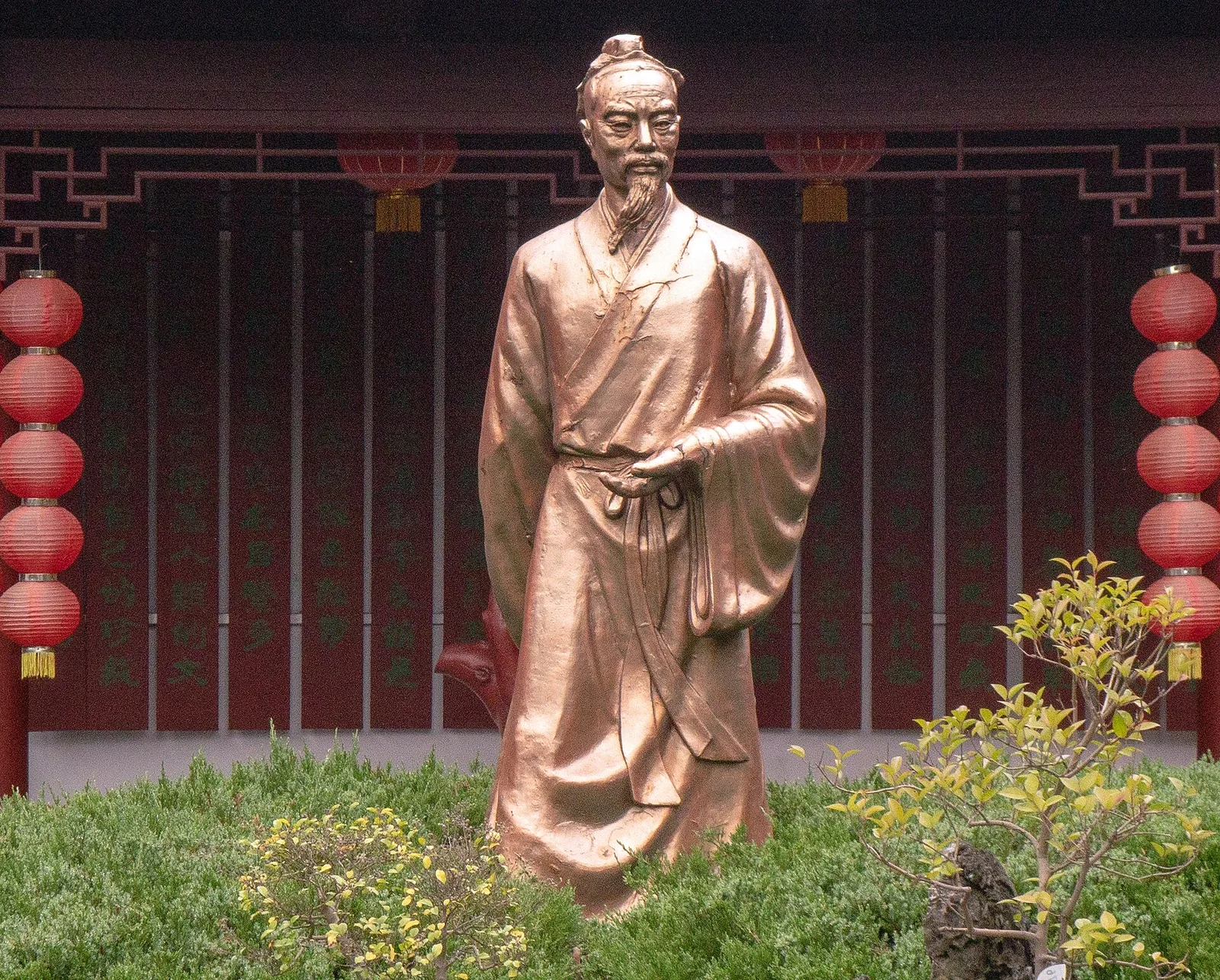
Photo: Wikimedia Commons · CC BY-SA 4.0

Thesis
Section 5 is not really about “晋惠帝蒙尘还洛阳黄门以瓦盂盛茶上至尊”; it is about how Lu Yu turns tea from a local product into an object of argument.
Text
“When Emperor Hui of Jin, fleeing in the dust, returned to Luoyang, the eunuch presented tea in an earthen bowl to the Son of Heaven.”
Context
晋惠帝:司马衷,西晋皇帝。蒙尘:天子流亡。黄门:宦官。瓦盂:瓦碗。至尊:皇帝。
Evidence
- Collation: 各本一致。此典记晋惠帝蒙尘时以茶为饮,为宫廷饮茶最早记载之一。
- Existing readings: 吴觉农指出此条证明西晋宫廷已有以茶待上的惯例;"瓦盂盛茶"也说明当时茶具尚朴,未及唐宋之精。
Analysis
Formally, the section gives a judgment, adds material detail, then returns to human practice. 晋惠帝:司马衷,西晋皇帝。蒙尘:天子流亡。黄门:宦官。瓦盂:瓦碗。至尊:皇帝。 That is why the Classic of Tea reads as an argued book rather than a miscellany.
Conclusion
The section does not give a universal rule. It demonstrates a method: read the text, the annotation and the Tang context together before making a modern claim.
Source: The Classic of Tea, Chapter VII · The History, section 5; the original is in the public domain.
Get the character right before the taste.