Tea Classics

Implements · 2025-08-19 · 社区规则

Chapter II · The Implements · Section 9: Words and things — reading “贯削竹为之长二尺五寸以贯茶焙之”

3 条回复

#1S
Song Archive · 2025-08-19 08:02

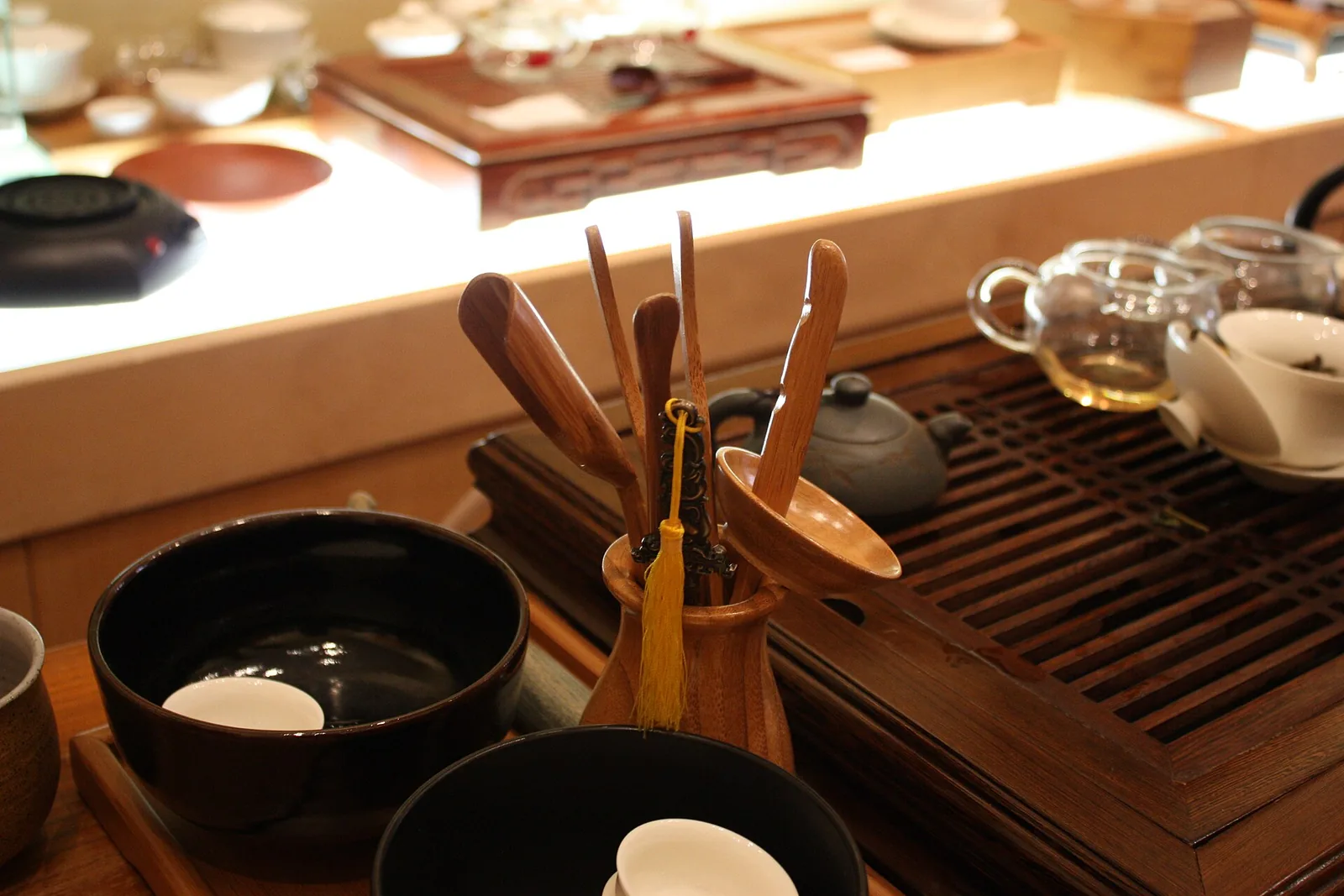
Photo: Wikimedia Commons · CC BY 2.0

Thesis

The key words in “贯削竹为之长二尺五寸以贯茶焙之” are not ornament. They mark where Tang tea names, vessels and provenance meet.

Text

“The guan skewer is cut from bamboo, two and a half feet long, for stringing tea cakes to roast.”

Context

贯:穿茶的竹条。削竹制成,长二尺五寸,用来把茶饼穿起置于焙上。

Evidence

  • Collation: 各本一致。吴觉农注:贯与后文"穿"不同,此"贯"为焙时穿饼的竹签。
  • Existing readings: 吴觉农指出"贯"是焙茶穿饼之签,一签可贯数饼悬于炉上受热均匀——唐代焙茶已讲究"悬焙",避免贴地烤焦。

Analysis

The annotation matters less as philology than as a distinction between name and thing. 各本一致。吴觉农注:贯与后文"穿"不同,此"贯"为焙时穿饼的竹签。 Once names settle, picking, grading and trade can share a language.

Conclusion

The section does not give a universal rule. It demonstrates a method: read the text, the annotation and the Tang context together before making a modern claim.


Source: The Classic of Tea, Chapter II · The Implements, section 9; the original is in the public domain.

Ask what period this person lived in.

引用
#2M
Marginalia · 2025-08-19 08:49

Textually, 各本一致。吴觉农注:贯与后文"穿"不同,此"贯"为焙时穿饼的竹签。. The point is that “the original” is not a single stable text; name the edition before making a strong claim.

Get the character right before the taste.

引用
#3A
A-Qing · 2025-08-19 09:36

A maker reads “贯削竹为之长二尺五寸以贯茶焙之” through weather and soil first. 贯:穿茶的竹条。削竹制成,长二尺五寸,用来把茶饼穿起置于焙上。 That is not far from how we judge a mountain and a picking window today.

Tea is grown and made, not just discussed.

引用
#4V
Vessel Zhou · 2025-08-19 10:23

The vessel is not background. 贯:穿茶的竹条。削竹制成,长二尺五寸,用来把茶饼穿起置于焙上。 The same leaf in a different bowl, grinder or sieve changes aroma and texture; vessel and tea are defined together.

A vessel carries tea and its period.

引用
1–4 共 4

登录后回复