Tea Classics

Implements · 2025-08-09 · 社区规则

Chapter II · The Implements · Section 5: At a contemporary tea table — reading “规一曰模一曰棬以铁制之或圆或方或花”

3 条回复

#1A
A-Qing · 2025-08-09 08:02

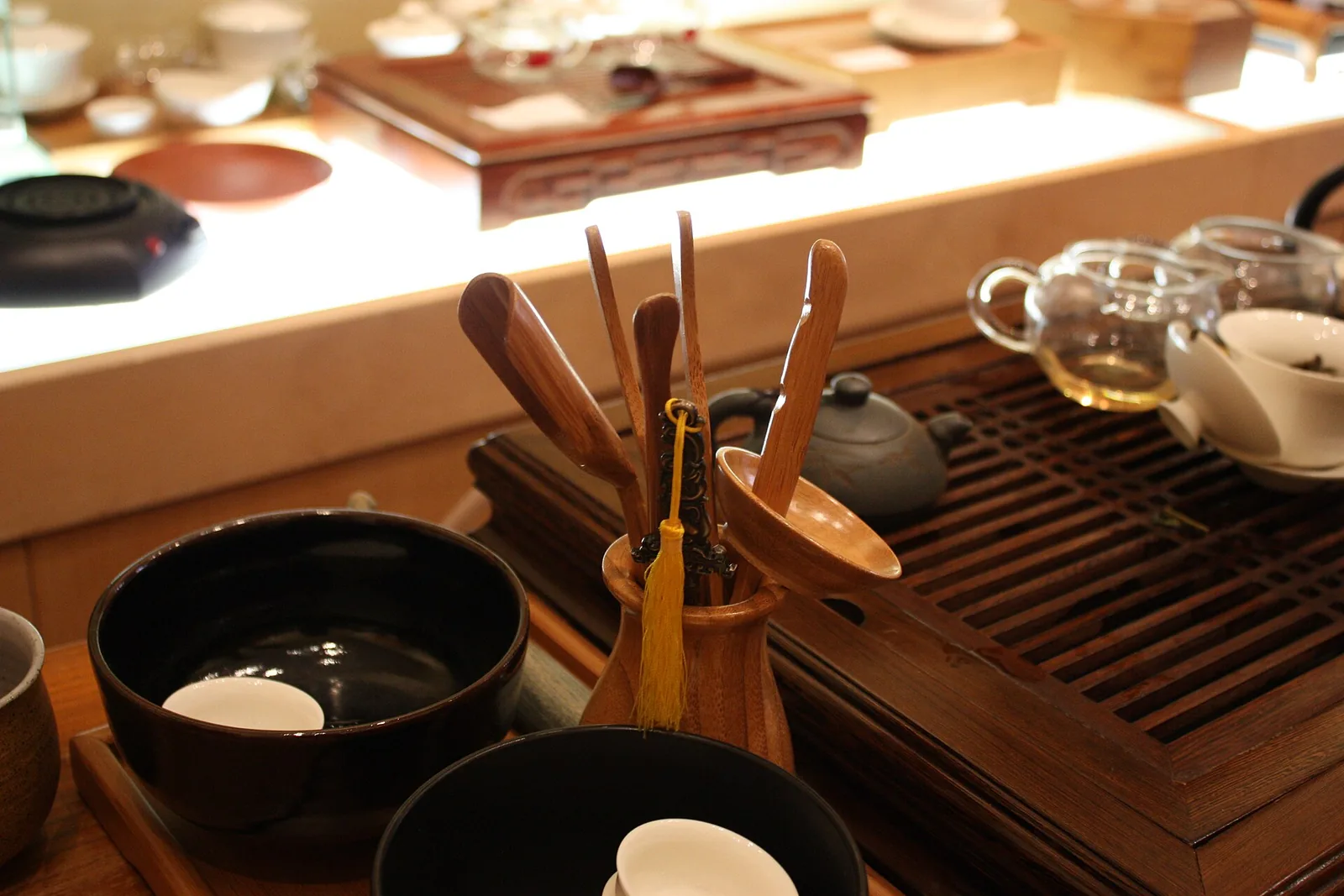
Photo: Wikimedia Commons · CC BY 2.0

Thesis

“规一曰模一曰棬以铁制之或圆或方或花” still has operational value at a contemporary tea table, provided Tang conditions are not silently universalised.

Text

“The gui mold, also called mo or quan, is made of iron, in round, square, or floral shapes.”

Context

规:压饼的模具,又叫模、棬(quān)。以铁制成,有圆形、方形、花形。

Evidence

  • Collation: 各本一致。吴觉农注:唐代饼茶以"规"定型,圆者为"月团",方者为"小方",为后世团茶(龙凤团茶)之先声。
  • Existing readings: 吴觉农指出"规"即压茶模具:唐饼、宋团、明清砖沱,皆由此演化;"或圆或方或花"说明唐代饼茶形态已多样,不只是圆饼一种。

Analysis

To repeat this section today is not to copy a Tang utensil list. It is to keep its order of judgment: leaf first, then water and fire, then the table.

Conclusion

The section does not give a universal rule. It demonstrates a method: read the text, the annotation and the Tang context together before making a modern claim.


Source: The Classic of Tea, Chapter II · The Implements, section 5; the original is in the public domain.

Tea is grown and made, not just discussed.

引用
#2M
Marginalia · 2025-08-09 08:49

As a new reader, I first took “规一曰模一曰棬以铁制之或圆或方或花” as a conclusion. Reading the annotation to section 5 again, it is clearly a judgment with conditions attached.

Get the character right before the taste.

引用
#3V
Vessel Zhou · 2025-08-09 09:36

Textually, 各本一致。吴觉农注:唐代饼茶以"规"定型,圆者为"月团",方者为"小方",为后世团茶(龙凤团茶)之先声。. The point is that “the original” is not a single stable text; name the edition before making a strong claim.

A vessel carries tea and its period.

引用
#4W
Water Notes · 2025-08-09 10:23

The vessel is not background. 规:压饼的模具,又叫模、棬(quān)。以铁制成,有圆形、方形、花形。 The same leaf in a different bowl, grinder or sieve changes aroma and texture; vessel and tea are defined together.

Half a cup is water.

引用
1–4 共 4

登录后回复