Photo: Wikimedia Commons · CC BY-SA 4.0

Thesis
“江南生鄂州袁州吉州其味辛生福州建州韶州象州其” only becomes legible inside Tang tribute tea, monastery tea and literati life.
Text
“In Jiangnan, teas of Ezhou, Yuanzhou, and Jizhou are pungent in taste; those of Fuzhou, Jianzhou, Shaozhou, and Xiangzhou are excellent.”
Context
江南道:今长江以南广大地区。鄂州(武昌)、袁州(宜春)、吉州(吉安)茶味辛辣;福州、建州(建瓯)、韶州、象州茶味极佳。
Evidence
- Collation: 各本一致。建州即今福建建瓯,唐代列"味极佳",宋代更成贡茶中心——陆羽的评价极有远见。
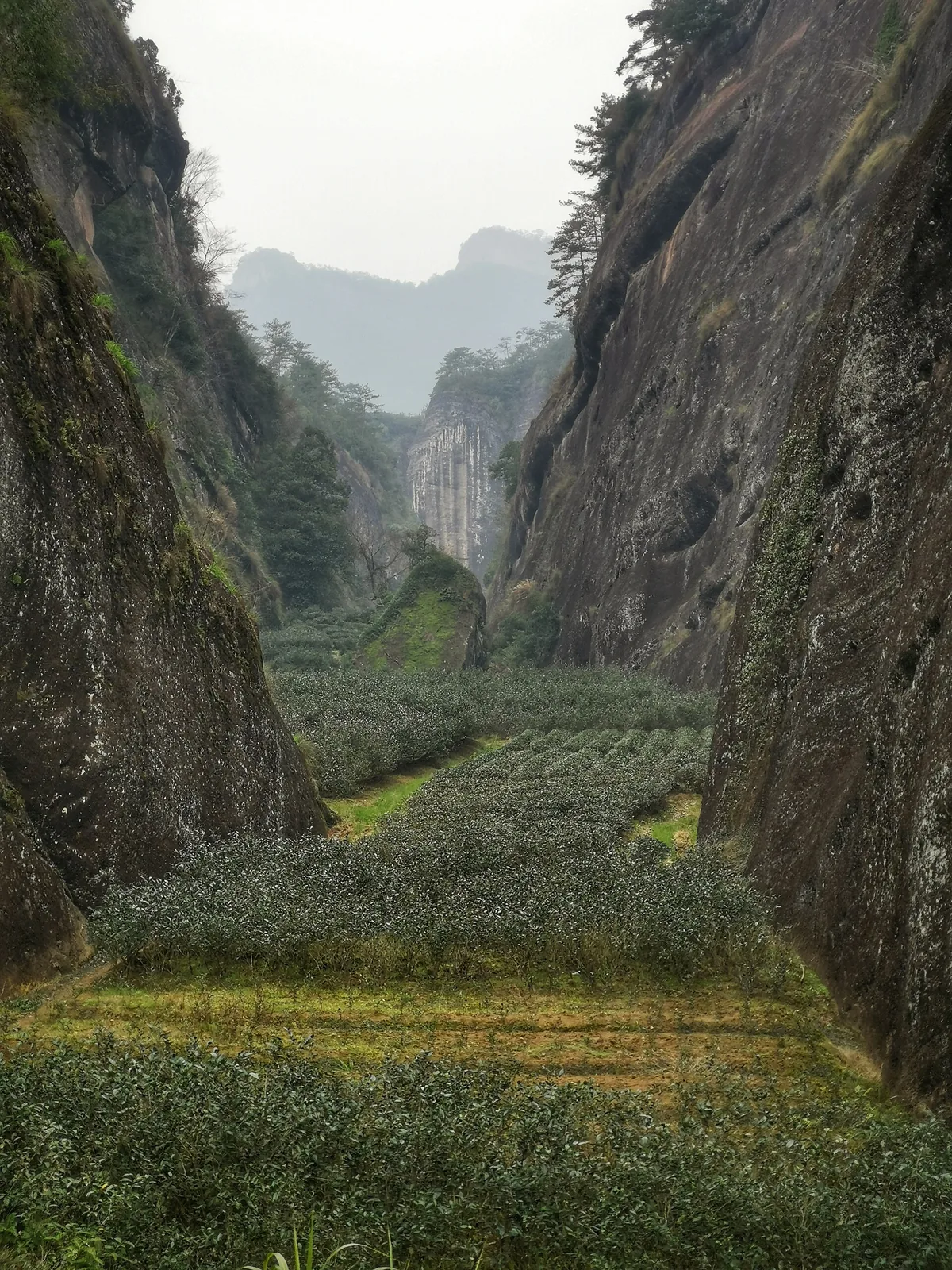
- Existing readings: 吴觉农特别指出建州(闽北)"味极佳"的预见:宋代北苑贡茶、明清武夷岩茶皆出于此——陆羽是史上第一个为福建茶写下好评的人。
Analysis
The largest gap between Tang and now is that tea was simultaneously medicine, tribute and everyday practice. 吴觉农特别指出建州(闽北)"味极佳"的预见:宋代北苑贡茶、明清武夷岩茶皆出于此——陆羽是史上第一个为福建茶写下好评的人。 Without that, the chapter collapses into botany.
Conclusion
The section does not give a universal rule. It demonstrates a method: read the text, the annotation and the Tang context together before making a modern claim.
Source: The Classic of Tea, Chapter VIII · The Producing Regions, section 7; the original is in the public domain.
Ask what period this person lived in.