Tea Classics

Regions · 2026-04-01 · 社区规则

Chapter VIII · The Producing Regions · Section 4: Words and things — reading “浙东以越州上明州婺州次台州下”

3 条回复

#1S
Song Archive · 2026-04-01 08:02

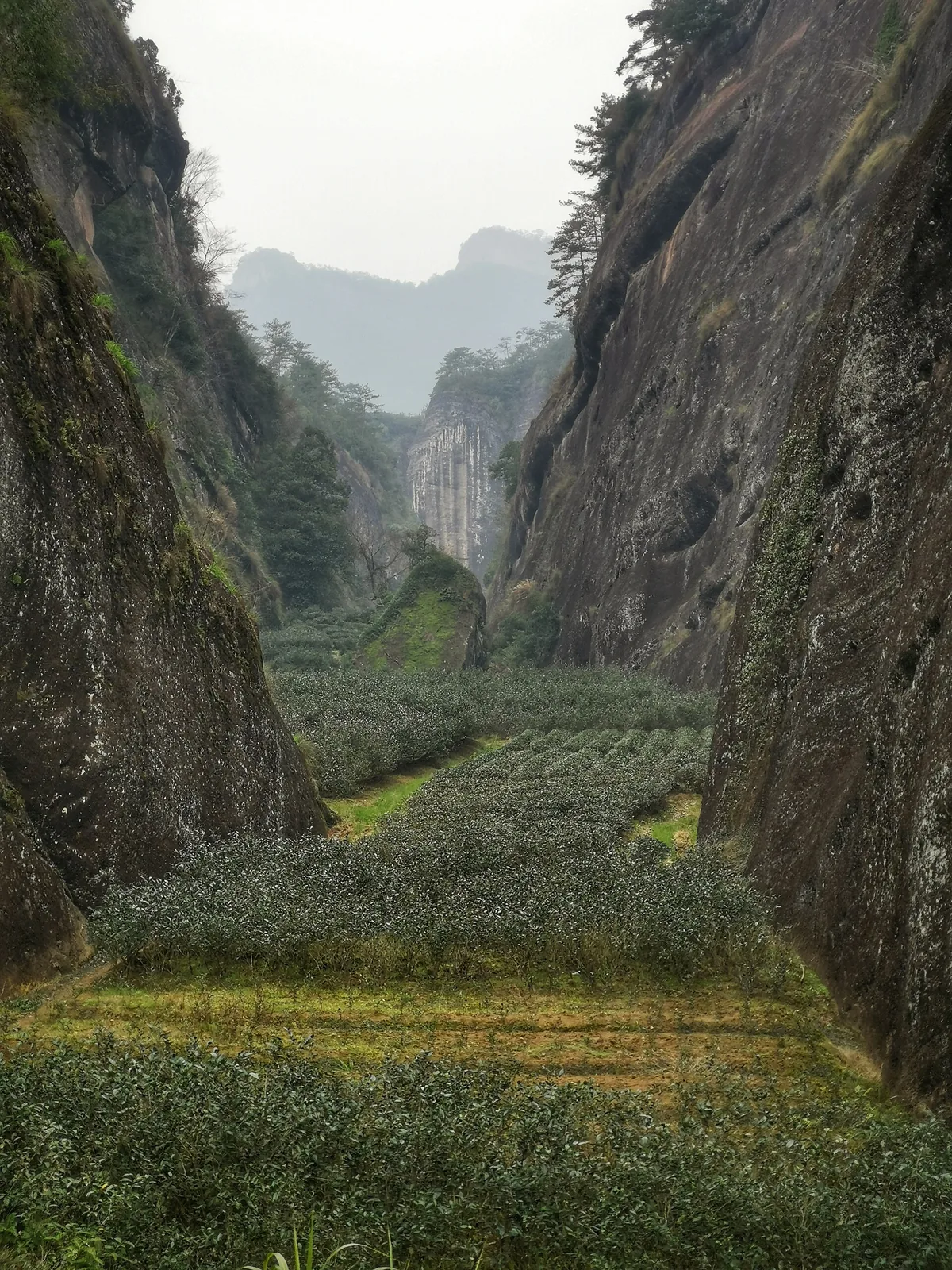
Photo: Wikimedia Commons · CC BY-SA 4.0

Thesis

The key words in “浙东以越州上明州婺州次台州下” are not ornament. They mark where Tang tea names, vessels and provenance meet.

Text

“In Zhedong Circuit, Yuezhou is best, Mingzhou and Wuzhou next, and Taizhou lower.”

Context

浙东道:今浙江东部。越州(绍兴)为上。

Evidence

  • Collation: 各本一致。"越州"即今绍兴,唐代越窑青瓷产地,亦产名茶。
  • Existing readings: 吴觉农指出浙东越州(绍兴)与浙西湖州(顾渚)南北相望,同为唐代贡茶重镇;越州日铸茶在宋代更是名噪一时,印证了陆羽"越州上"的预见。

Analysis

The annotation matters less as philology than as a distinction between name and thing. 各本一致。"越州"即今绍兴,唐代越窑青瓷产地,亦产名茶。 Once names settle, picking, grading and trade can share a language.

Conclusion

The section does not give a universal rule. It demonstrates a method: read the text, the annotation and the Tang context together before making a modern claim.


Source: The Classic of Tea, Chapter VIII · The Producing Regions, section 4; the original is in the public domain.

Ask what period this person lived in.

引用
#2M
Marginalia · 2026-04-01 08:49

The vessel is not background. 浙东道:今浙江东部。越州(绍兴)为上。 The same leaf in a different bowl, grinder or sieve changes aroma and texture; vessel and tea are defined together.

Get the character right before the taste.

引用
#3A
A-Qing · 2026-04-01 09:36

Water and fire magnify the difference. The same leaf at a higher temperature or a longer steep changes the sweet-bitter balance; the text only becomes operational at the brewing stage.

Tea is grown and made, not just discussed.

引用
#4V
Vessel Zhou · 2026-04-01 10:23

Modern tea science would split the sentence into cultivar, soil, light and plucking variables. 吴觉农指出浙东越州(绍兴)与浙西湖州(顾渚)南北相望,同为唐代贡茶重镇;越州日铸茶在宋代更是名噪一时,印证了陆羽"越州上"的预见。 The variables remain useful, but none of them alone explains the cup.

A vessel carries tea and its period.

引用
1–4 共 4

登录后回复